It started with a cloud of dust.
For Omaira Garcia, an Air Force veteran living on her small ranch in Abilene, Texas, life felt pretty settled. Then, the construction started next door. It wasn't just a new house or a strip mall. It was something massive, mysterious, and it was kicking up enough dust to completely engulf her home.
What she was witnessing was the start of a new Texas land rush. Not for oil, but for data.
We're talking about the construction of massive data centers, the physical backbone of our digital world. And while they look like futuristic hubs of innovation, they have a voracious, old-school appetite for one thing: power. Lots and lots of power.
The planned data centers in Texas are on a scale that’s hard to wrap your head around. We're not just talking about a few big warehouses. We're talking about an explosion in energy demand that could see these facilities emitting more greenhouse gases than many entire countries.
And for those of us in the insurance world, this isn't just an environmental headline. It's a blinking red light on our risk dashboard.
So, What Exactly Is Brewing in Texas?
Let's put this into perspective. The sheer scale of what's being built is staggering. These aren't your typical office buildings; they are sprawling campuses designed to house millions of computer servers.
All those servers generate an incredible amount of heat and require a colossal amount of electricity to run and to keep cool. We're seeing projections that these new data centers could single-handedly increase global greenhouse gas emissions from the industry by a huge margin.
Think about that for a second. A handful of new developments in one state could have a measurable impact on the global climate.
When you hear that, it’s easy to think of it as an abstract problem for governments and environmental groups. But when you’re in the business of pricing risk, the abstract gets very real, very fast. We have to ask the tough questions, starting with the most obvious one.
Where Is All This Power Coming From?
This is the multi-billion dollar question.
Texas has a unique and, let's be honest, sometimes fragile power grid. We all remember the winter storms of 2021 that left millions in the dark. Now, imagine adding the energy demand of several small cities onto that same grid.
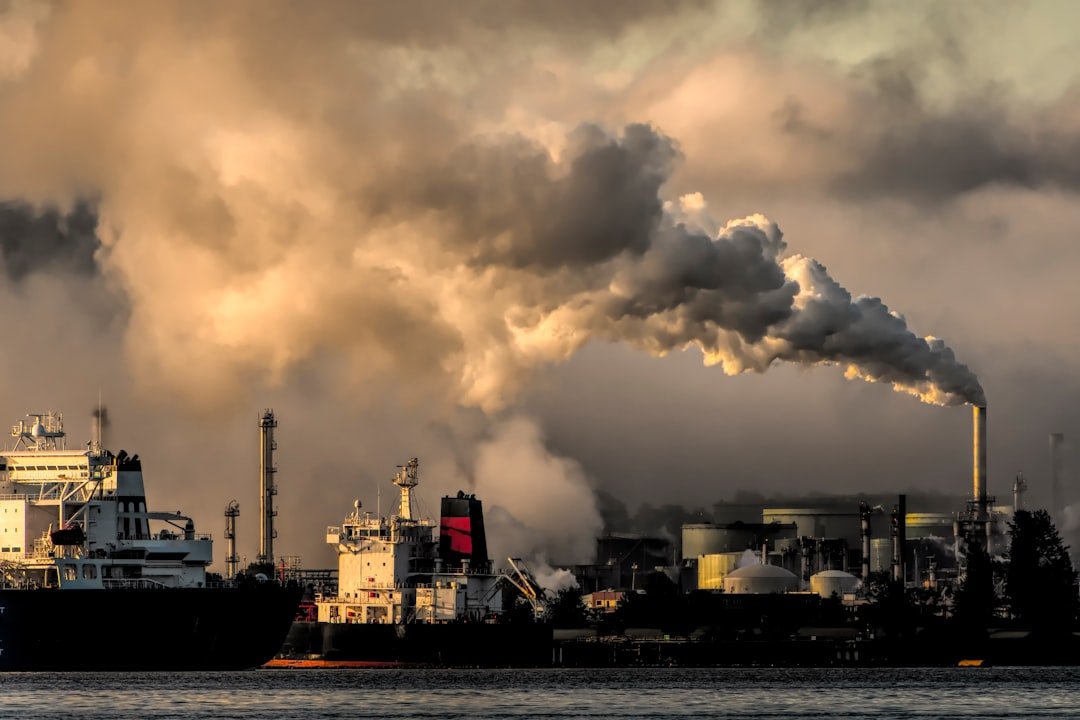
While tech companies love to talk about their green initiatives, the reality on the ground is often more complicated. A significant portion of the energy needed to power these behemoths will likely come from fossil fuels, particularly natural gas.
So, you have these cutting-edge technology hubs relying on a carbon-intensive energy source, all located in a state that's already a hotspot for extreme weather. As an underwriter, a broker, or a claims adjuster, you should be feeling a little uneasy right now.
The Insurance Fallout: Connecting the Dots
Okay, so data centers use a ton of energy and create emissions. Why is this a five-alarm fire for the insurance industry? Because it hits us from every possible angle. Let's break it down.
Skyrocketing Physical Risks
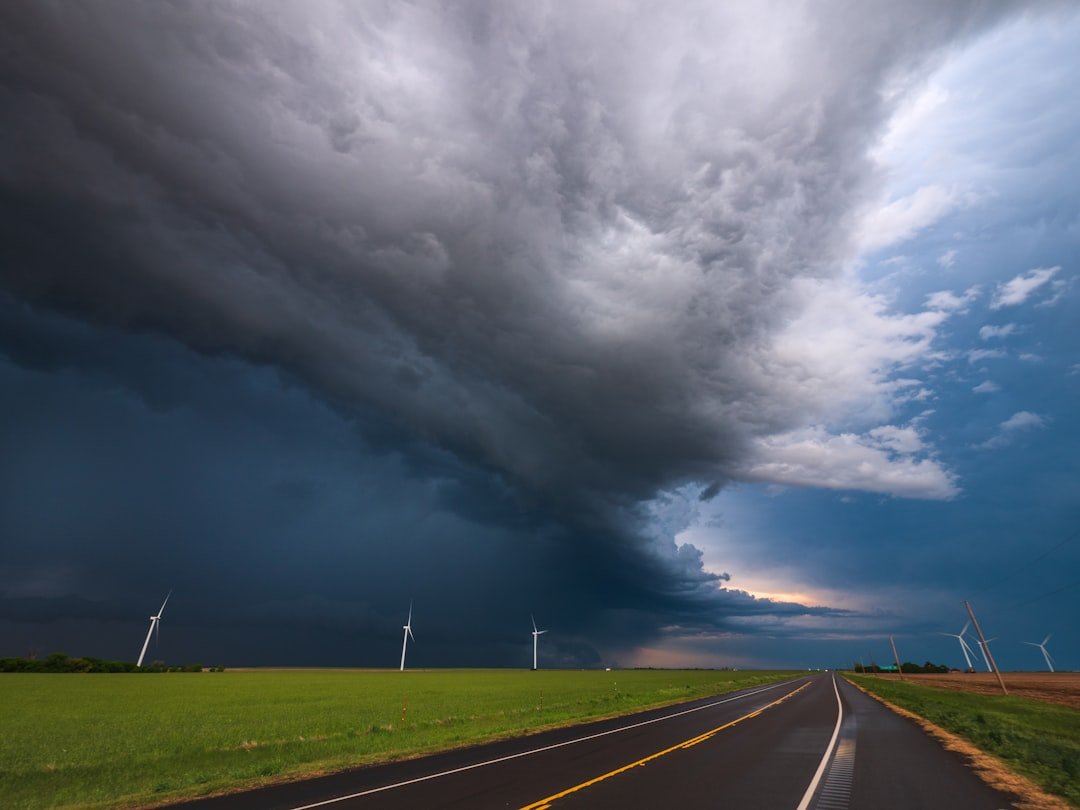
This is the most direct and obvious impact. More greenhouse gases contribute to a warmer climate, which in turn fuels more frequent and severe weather events. And Texas is already on the front lines.
- Concentration of Value: We're talking about facilities that house billions of dollars worth of servers, networking gear, and intellectual property. Placing that much value in a single location is already a huge concentration of risk. Placing it in a region prone to hurricanes, tornadoes, hail, and flooding is playing with fire.
- Weather-Related Claims: Every climate model points to more intense storms. That means more property damage claims from wind, water, and hail. For a data center, a damaged roof or a flooded floor isn't just a repair bill; it's a potential catastrophe that can take entire companies offline.
- Grid Failure & Business Interruption: If the Texas grid buckles under the strain—either from a summer heatwave or another winter freeze—these data centers go dark. The resulting business interruption (BI) claims could be astronomical, not just for the data center operator, but for all the businesses that rely on them.
Think of it like building the world’s most expensive sandcastle right at the water's edge while the tide is coming in. It’s a bold move, but one that carries an immense amount of risk.
The Looming Liability Questions
Beyond the physical damage, a whole new world of liability is opening up. Society is becoming far less tolerant of major polluters, and that's translating into legal action.
What happens when communities, like Omaira Garcia’s, start connecting the dots between these massive new facilities and local environmental impacts? Or when shareholders start suing companies for not properly disclosing their climate-related risks?
This is where Directors & Officers (D&O) and Environmental Impairment Liability (EIL) policies come into play. We could see a new wave of litigation aimed at both the data center operators and the companies that house their data there. Insurers holding those policies need to be prepared for a level of scrutiny and potential liability that we just haven't seen in this sector before.
An Underwriter's Nightmare
If you're an underwriter, how do you even begin to price this? The models we use are based on historical data, but we're moving into uncharted territory.
The climate is changing in ways that make the past a poor predictor of the future. The technological risks inside these facilities are evolving at lightning speed. And the potential for a cascading failure—where a grid outage causes a system failure that leads to massive data loss—is a complex, interconnected risk that’s incredibly difficult to quantify.
On top of that, insurers themselves are under pressure from investors, regulators, and the public to align their underwriting portfolios with ESG (Environmental, Social, and Governance) principles. Do you really want to be the carrier that’s known for insuring one of the country's newest and biggest sources of greenhouse gas emissions? It's a massive reputational risk.
Are We Building the Next Uninsurable Asset Class?
This might sound dramatic, but it's a conversation we need to have.
In places like California and Florida, we're already seeing insurance carriers pull back from writing policies in areas with high wildfire and hurricane risk. The risk has become too great, too unpredictable, and too expensive to cover.
Could these mega data centers in climate-vulnerable areas become the next "uninsurable" asset?
If the frequency of severe weather events continues to climb, and if the grid remains vulnerable, at some point the math just won't work. The premiums required to adequately cover the risk would become unaffordable, or carriers might simply decide the exposure is too big to take on at any price.
This isn't just a problem for the tech companies; it's a problem for the entire economy that depends on their services.
This whole situation in Texas is a perfect case study of a massive, emerging risk. It’s a tangle of climate science, engineering, finance, and, right in the middle of it all, insurance. Our industry has a critical role to play, not just in paying claims when things go wrong, but in signaling risk and incentivizing smarter, more resilient development.
Right now, it feels like we're watching a slow-motion collision. But we have the chance to be the brakes, the airbag, and the emergency response team all in one. The question is, are we ready?