It feels like we're living in a science fiction movie these days, doesn't it? Artificial intelligence is everywhere. It’s writing emails, creating stunning art, and promising to solve some of the world's biggest problems. And honestly, a lot of it is incredibly cool.
But I want to talk about the side of AI we don't see on the slick product demos. There's a hidden cost, a physical consequence to all this digital magic. And it’s a problem that’s landing squarely on the desks of risk managers and insurance underwriters.
Here’s the bombshell: recent reports show the greenhouse gas emissions for tech giants like Amazon and Google absolutely spiked in 2025. The reason? The massive, almost unbelievable amount of energy needed to power the AI revolution. It turns out, creating a paragraph of text with a large language model can use a shocking amount of electricity.
This isn't just an environmental headline; it's a massive, emerging risk. And for those of us in the insurance world, it’s time to pay very close attention.
So, What’s the Real Problem with AI and Energy?
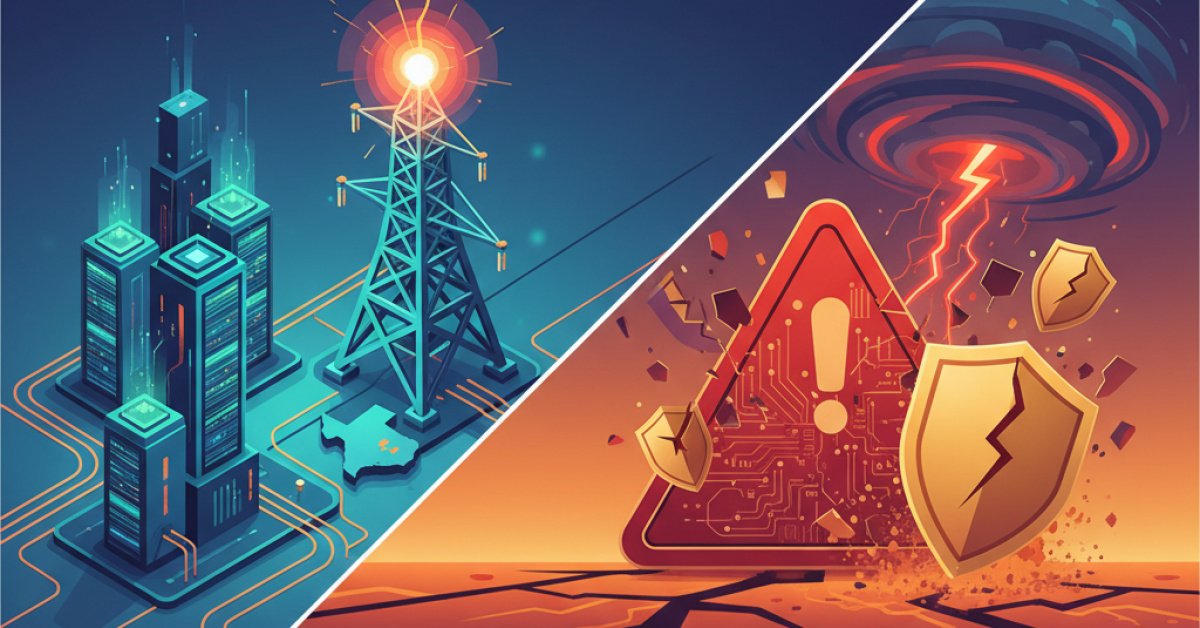
It’s easy to think of AI as something that just exists in "the cloud." It feels weightless and clean. But the cloud isn't a fluffy white thing in the sky. It's made of millions of servers packed into gigantic, football-stadium-sized buildings called data centers.
And these AI-focused data centers are incredibly thirsty for power.
Think of it like this: for years, tech companies have been working to make their operations more efficient, like swapping out a gas-guzzler for a hybrid car. They’ve made public promises about being carbon neutral and leading the way on green energy.
But generative AI is a completely different beast. It’s like they just traded that entire fleet of hybrid cars for a collection of rocket ships. The performance is spectacular, but the fuel consumption is astronomical. This new demand for power is undoing years of progress on their climate goals, and it’s happening fast.
The Insurance Ripple Effect: A New World of Risk
Okay, so tech companies are using more power. Why should this keep an insurance professional up at night? Because this single issue creates a whole host of new and complicated risks that we are now being asked to cover.
Let's break down a few of the big ones.
Directors & Officers (D&O) Liability is Front and Center
This, to me, is the most immediate and obvious risk. For the last decade, publicly traded companies have been proudly announcing their ESG (Environmental, Social, and Governance) goals. You’ve seen the headlines: "We pledge to be Net-Zero by 2040!"
These aren't just feel-good press releases; they are material statements made to investors and the public.
Now, imagine a company makes a big, public climate pledge. Their stock price might even get a little bump from ESG-focused investors. But behind the scenes, their new AI division is burning through energy and sending their carbon emissions through the roof, making that net-zero goal a complete fantasy.
What do you think happens when shareholders find out? They sue. They’ll claim the company misled them about its environmental commitments, which is a classic "misrepresentation" claim that falls directly under a D&O policy. We’re talking about "greenwashing" on a massive scale, and D&O carriers are getting very, very nervous.
Property & Casualty Risks are Getting More Complex
The P&C side of the house isn't safe, either. More AI means more data centers, and these aren't just regular office buildings.
First, there's the direct physical risk. The very thing causing the problem—increased energy consumption—contributes to the climate change that makes severe weather more frequent and intense. It’s a dangerous feedback loop. A data center in a region now prone to wildfires, floods, or hurricanes becomes a much riskier asset to insure. Underwriters are already re-evaluating their catastrophe models, and these power-hungry facilities are a big red flag.
Then you have the operational risks. These data centers are incredibly complex. They require immense, uninterrupted power and sophisticated cooling systems to keep all those servers from melting. A power grid failure or a cooling malfunction could lead to a catastrophic business interruption claim, not just for the tech company, but for all the clients who rely on their cloud services. The potential for cascading failures is huge, and insurers are looking at these operational risks with a magnifying glass.
How the Insurance Industry Is Starting to React
We’re not just sitting back and watching this happen. The industry is already starting to adapt to this new reality. If you're a risk manager at a tech company or any business that relies heavily on AI, you're going to notice a few changes.
Tougher Questions During Underwriting Get ready for a more intense renewal process. Underwriters are going to start asking questions they never asked before:
- "Can you quantify the energy consumption of your AI operations?"
- "How does this impact the public climate commitments you've made?"
- "What are your contingency plans for a power grid failure at your key data centers?"
Companies that don't have good, transparent answers are going to face higher premiums, lower limits, or in some cases, might even struggle to find coverage at all.
A Push for Better Risk Management Insurers are partners in risk, not just payers of claims. We'll see a bigger push from carriers to encourage better risk management. This means advising clients on everything from diversifying data center locations to investing in more energy-efficient AI hardware and greener energy sources. It's about making the risk more insurable.
This whole situation is a perfect example of how quickly the risk landscape can change. Just a few years ago, we were talking about the risks of AI making biased decisions or causing cyber breaches. Now, we have to worry about the simple, physical fact that it gets really, really hot and needs a ton of electricity.
AI isn't going away. It’s an incredible tool that will continue to change our world. But as we race forward, we can't ignore the very real, very physical risks it's creating. For companies, their investors, and their insurers, the challenge is to innovate responsibly. It's about balancing the incredible promise of AI with the grounded reality of its environmental cost. And that’s a conversation that is only just beginning.