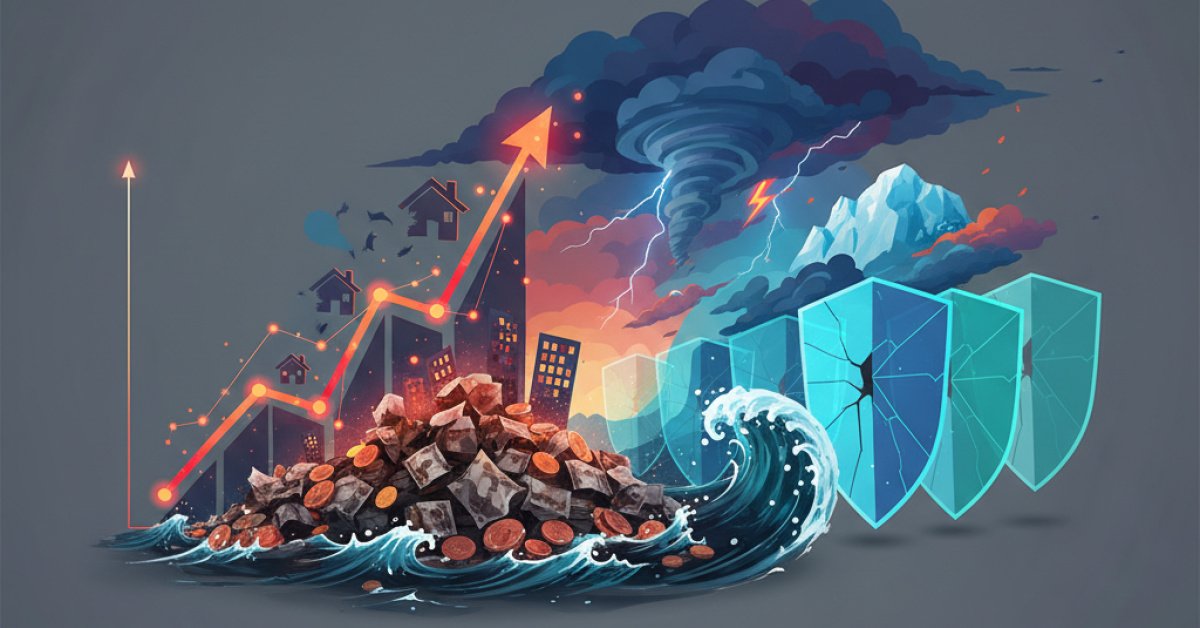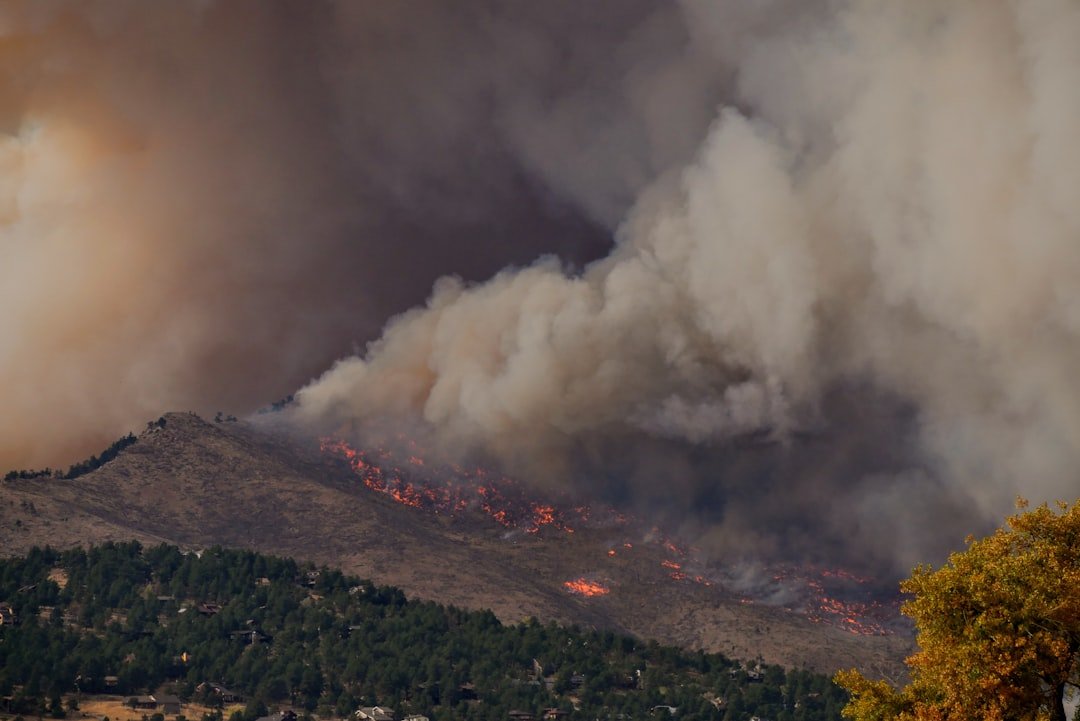
Have you noticed how conversations about the weather have changed? It’s less about small talk and more about… well, bracing for impact. Whether it’s a "100-year storm" that seems to happen every few years or flash floods in places that never used to worry, the costs of cleaning up and rebuilding are piling up.
And that brings us to the million-dollar question: Who pays for it all?
Here in the insurance world, we see the front-line costs of this every day in the form of claims. But now, lawmakers in Connecticut are floating a pretty bold idea that tries to connect the cause with the cost. They’re looking at a new way to fund local projects that make communities stronger against severe weather, and they’re pointing the finger at the fossil fuel industry to help foot the bill. It's a fascinating, and let's be honest, controversial proposal.
Let's get into what’s really going on.
So, What's Actually on the Table in Connecticut?
Okay, let's break this down into simple terms. The proposal is to add a 5% surcharge onto the commercial property and casualty (P/C) insurance policies of companies related to the fossil fuel industry.
Think of it like this: When a big oil or gas company buys insurance to cover their buildings, equipment, and liability in Connecticut, the state would tack on an extra 5% to their premium. It’s not a tax on consumers at the pump, at least not directly. It’s a fee on the insurance these specific companies need to operate.
And where would that money go? It wouldn't just disappear into the state’s general fund. The idea is to create a dedicated pot of money to help towns and cities pay for resilience projects. We’re talking about things like:
- Building stronger sea walls to protect coastal communities.
- Upgrading old drainage systems so they can handle heavier rainfall.
- Fortifying critical infrastructure like power grids and water treatment plants.
Essentially, the state wants to use this money to play defense against future climate events, rather than just paying for cleanup after the fact. It’s a proactive approach, and the funding mechanism is definitely turning some heads.
The Big Question: Who Really Pays for This?
This is where the debate really heats up. Whenever you hear the word "surcharge" or "tax" on a big industry, the first question on everyone's mind is, "Am I going to end up paying for this?"
It’s a totally fair question.
Let's be real. Companies are in the business of making money. When they face a new cost, whether it’s for raw materials or an insurance surcharge, they rarely just absorb it. More often than not, that cost gets passed down the line until it eventually lands on the consumer.
Think about it. If it costs a utility company more to insure its operations, do you think they'll just take the hit? Or is it more likely that you’ll see a small increase in your next electricity bill? The same logic applies to gasoline distributors and other related businesses.
This is happening at a time when everyone is already feeling the squeeze. Insurance premiums are on the rise across the board, and utility bills are a source of stress for a lot of families. So, the timing of this proposal is, to put it mildly, complicated. Proponents might argue it's a small price to pay for a safer future, but opponents are quick to point out that for many households, there’s no room left for even small price hikes.
Why This Idea is Gaining Traction
Despite the concerns, you can see why this proposal is appealing to some lawmakers. It’s built on a principle that’s pretty easy to understand: the "polluter pays" principle.
The argument goes like this: For decades, certain industries have profited from activities that are now scientifically linked to the climate changes we’re experiencing. The results of that change—more intense storms, rising sea levels, etc.—are now creating massive costs for the public. So, shouldn't those industries contribute to fixing the problem they helped create?
It’s a powerful moral and financial argument.
Plus, towns across Connecticut are desperate for funding. They see the writing on the wall. They know they need to upgrade their infrastructure, but finding the money in a local budget is incredibly difficult. This surcharge would create a steady, dedicated stream of funding specifically for these kinds of projects. It moves the funding source from local property taxes to the balance sheets of large corporations.
For supporters, this isn't about punishing an industry; it's about practical, forward-thinking financial planning for a future that looks a lot stormier than the past.
The Pushback and Potential Domino Effects
Of course, it's not that simple. The pushback is significant, and it goes beyond just the pass-through costs to consumers.
The insurance industry itself has some serious reservations. When you start singling out a specific industry for a surcharge, you make the market more complicated. Insurers might look at the situation in Connecticut and ask themselves, "Is it worth the hassle?"
Here's a potential unintended consequence:
- The surcharge makes it more expensive for fossil fuel companies to get insured in Connecticut.
- Some insurers might decide the regulatory environment is too risky or complex and stop writing these policies altogether.
- This could lead to a capacity crunch, where there are fewer insurers willing to cover these businesses.
- When supply goes down and demand stays the same, what happens to prices? They skyrocket. Or worse, coverage becomes unavailable, which creates a whole other set of economic problems.
We've seen this happen in other markets, like Florida and California, where rising risks have caused some major insurers to pull back, leaving consumers with fewer and more expensive options. While this proposal is targeted, the underlying market dynamics are the same. It’s a delicate ecosystem, and a move like this could have ripple effects that lawmakers haven't fully anticipated.
This whole situation is a perfect example of the tough choices we face. On one hand, we have a massive, expensive problem—making our communities resilient to climate change. On the other, the proposed solution comes with its own set of economic risks and could put more financial pressure on the very people it's trying to protect.
There are no easy answers here. The debate in Connecticut is about more than just a 5% surcharge. It’s a microcosm of a much larger conversation we’re having globally about accountability, cost, and who bears the financial burden of building a more sustainable future. It'll be fascinating to see which way the state decides to go, because you can bet other states are watching closely.