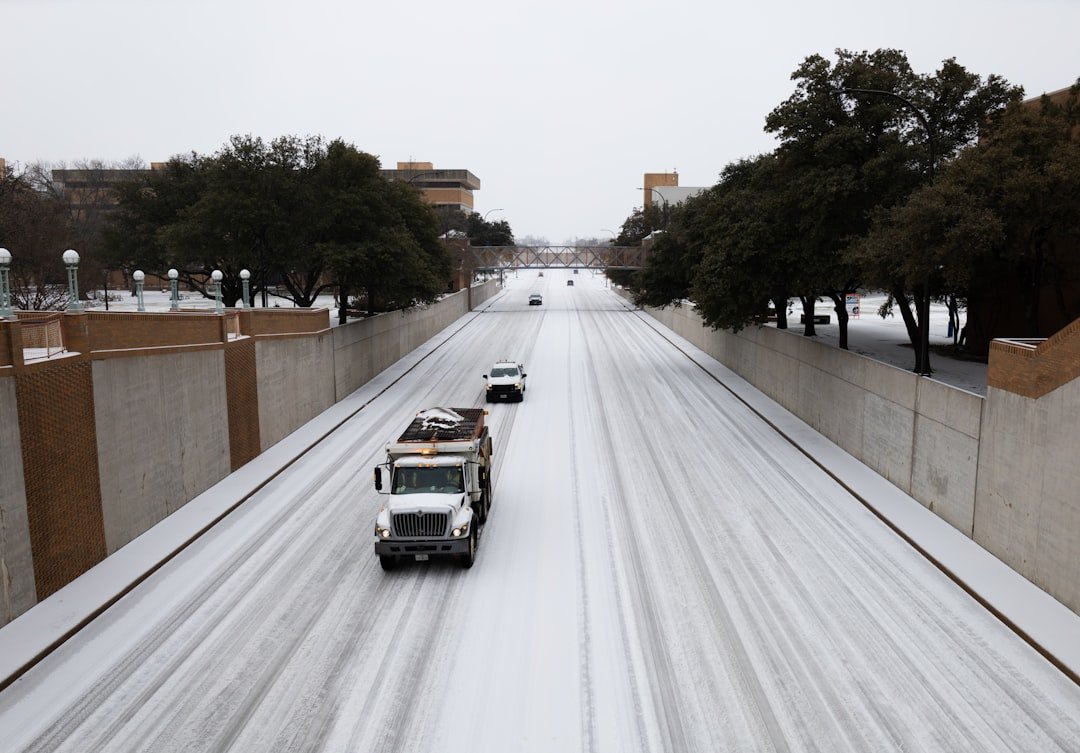
I remember seeing the images coming out of Texas during that big freeze. Flares lighting up the sky along the Houston Ship Channel, stories of power grids failing… it was wild. It felt like something out of a disaster movie.
But for those of us in the insurance world, we saw something else. We saw the beginning of an incredibly complex and expensive chain reaction. When an entire state’s energy infrastructure grinds to a halt, you’re not just looking at a news story. You’re looking at a tidal wave of insurance claims about to crash down.
It’s easy to think of this as just a problem for the big oil giants, but the ripple effects touch everything. The raw materials from these plants are used to make everything from the gasoline in your car to the plastics in your phone. So, when they shut down, it’s a big deal. Let’s talk about what really happens behind the scenes when a catastrophe like this hits, from an insurance point of view.
First, What Exactly Happened?
It sounds simple, right? A massive winter storm swept across the country, hitting Texas especially hard. But the impact was anything but simple.
Think about it. These massive oil and gas facilities are sprawling outdoor operations, designed to run in the Texas heat, not an arctic blast. When the temperatures plummeted, chaos ensued. Instruments froze. Pipes burst. Power from the state's grid became unreliable or went out completely, forcing producers and refiners to perform emergency shutdowns.
It wasn't a slow, graceful power-down. It was an abrupt, jarring stop. And when you’re dealing with volatile chemicals and high-pressure systems, that’s the last thing you want. The result was a near-total paralysis of the region’s energy production.
The Obvious Problem: Physical Damage
The first and most straightforward layer of insurance claims is for property damage. This is the stuff you can see and touch.
Imagine a pipeline that’s supposed to carry oil suddenly freezing solid. The pressure builds, and boom—it cracks or bursts. Or picture a delicate piece of refining equipment getting destroyed because its heating elements failed when the power went out. This is classic property damage.
For businesses, this is covered under their commercial property insurance policy. It’s the industrial equivalent of your homeowner's policy covering a burst pipe in your basement. Insurers send out adjusters to assess the damage to the physical "stuff"—the buildings, the machinery, the pipes—and figure out the cost to repair or replace it. It's a huge task, but it's relatively black and white.
The Real Financial Killer: Business Interruption
Here’s where things get a lot more complicated—and a lot more expensive. The real financial pain wasn’t just the cost of fixing a few billion dollars' worth of broken equipment. It was the money lost every single day those facilities weren't operating.
This is where Business Interruption (BI) insurance comes in, and frankly, it’s one of the most critical and often misunderstood coverages a company can have.
Think of it like this: If you own a coffee shop and a fire damages your espresso machine, your property insurance pays to replace the machine. But what about the two weeks of sales you lose while you’re waiting for the new one? All that lost income from lattes and muffins? That’s what Business Interruption coverage is for.
Now, scale that up to a massive oil refinery that processes millions of dollars worth of product per day. When they’re forced to shut down for weeks, the lost revenue is staggering. BI is designed to cover those lost profits and ongoing fixed costs (like payroll) until they can get back up and running.
But There's a Catch...
Here’s the thing about BI insurance: it almost always has to be triggered by direct physical damage covered by the property policy. You can't just claim lost income because business is slow. There has to be a tangible, physical reason for the shutdown.
So, for the Texas refineries, a claim might look like this:
- The Cause: A critical pipeline burst due to the freeze (that's the physical damage).
- The Result: The entire plant had to shut down for three weeks for repairs.
- The Claim: The company files a BI claim for the millions in profits they lost during those three weeks.
This "physical damage trigger" is where the arguments start. What if a plant shut down not because its own pipes burst, but because the power grid failed? Is a lack of electricity considered "physical damage"? This is the kind of multi-million dollar question that keeps lawyers and insurance experts busy for years after a major event.
The Domino Effect: When Your Supplier Has the Problem
Let's add another layer of complexity. What if your refinery was perfectly fine? You winterized your equipment, you had backup power, and you weathered the storm without a scratch. But the pipeline company that supplies your crude oil was shut down by the freeze.
You’re still out of business. You have a perfectly good facility, but no raw materials to process.
This is where a specific type of coverage called Contingent Business Interruption (CBI) becomes a lifesaver. It’s designed to protect you from losses when one of your key suppliers (or even a key customer) has a problem that shuts you down.
The Texas freeze was a textbook example of CBI in action. The entire energy supply chain is so deeply interconnected. A shutdown at one natural gas processing plant could starve a dozen power plants and refineries of the fuel they needed to operate. CBI claims help protect businesses from these domino-effect scenarios that are completely out of their control.
The Aftermath: A Long Road Ahead
Events like the Texas freeze don’t just wrap up neatly in a few weeks. The financial and insurance fallout will be felt for years.
Insurers are going to be poring over every single policy, looking at the precise wording. Was the damage caused by "cold" or by "ice"? Believe it or not, some policies might cover one but not the other. Was the shutdown a direct result of damage, or was it a precautionary measure? These details matter immensely.
For the oil and gas companies, this was a brutal wake-up call about risk management and infrastructure resilience. You can bet that going forward, underwriters will be asking some very tough questions about their clients' winterization plans and backup power systems before they issue a policy. We’ll likely see premiums increase for companies in vulnerable areas and new exclusions or requirements written into policies.
It’s a powerful reminder that insurance isn’t just a piece of paper you file away. It's a dynamic tool that has to evolve with the risks we face. And as we see more extreme weather events, understanding how these complex coverages work isn't just an academic exercise—it's essential for survival.