It feels like just yesterday we were all marveling at an AI that could write a funny poem or create a picture of a cat surfing. It was a neat trick. Now, generative AI is a serious tool that’s being woven into the very fabric of how we do business.
We’re using it to write marketing copy, draft code, analyze data, and even help with customer service. It’s powerful, it’s fast, and it feels like a massive productivity boost.
But here’s a question that keeps me up at night as an insurance professional: have you stopped to think about what happens when it goes wrong? Not just a little wrong, but a "we're getting sued" kind of wrong. Because these amazing new tools are creating a whole new class of risks that most standard insurance policies were never designed to see, let alone cover.
The "Silent" Risk Hiding in Plain Sight
Let’s talk about something we in the insurance world call "silent exposure." It sounds a bit mysterious, but the concept is pretty simple.
Think of it like this: You have homeowner's insurance that covers you for fire and theft. One day, a small meteorite crashes through your roof. Is that covered? Your policy doesn't mention meteorites at all—it’s not specifically included, but it’s not excluded either. It’s a gray area. That’s silent exposure.
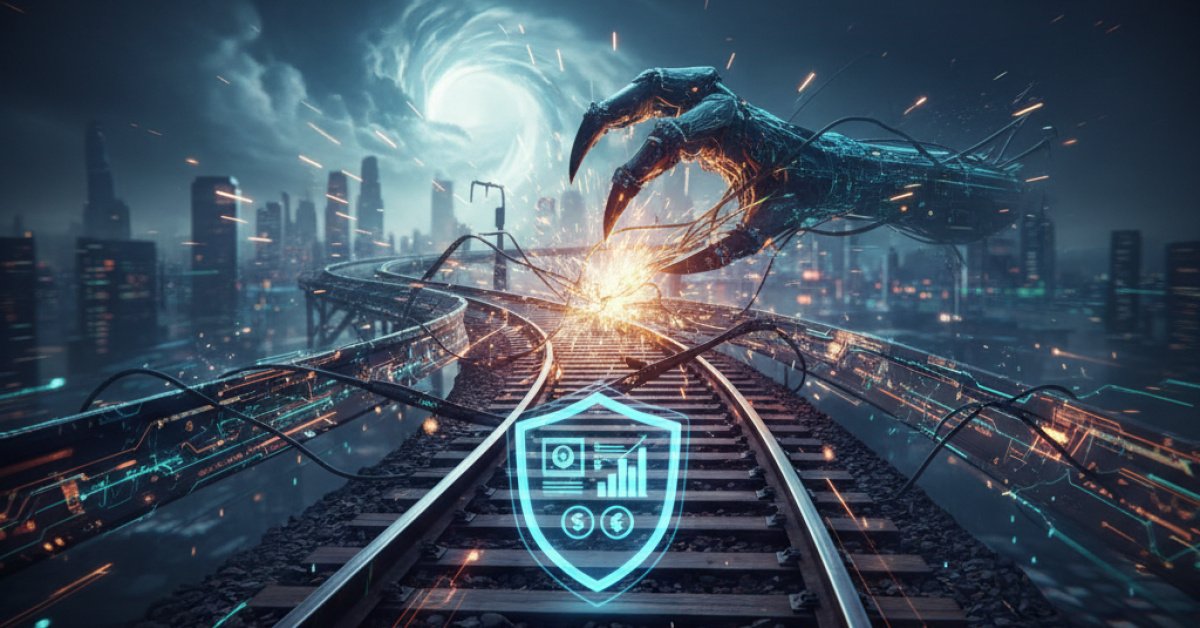
Generative AI is creating a massive "meteorite shower" of silent risks for businesses. Your general liability or professional liability policy was written long before anyone was asking a machine to design a bridge or offer financial advice. The language in those documents is built for human error, not artificial blunders.
And that ambiguity is a huge problem. When something goes wrong, you and your insurer could have very different opinions on whether your policy is supposed to pay up.
So, What Kind of Trouble Are We Actually Talking About?
This isn't just theoretical. These risks are real, and they can pop up in some surprising places. Let's break down a few of the big ones.
Copyright and Intellectual Property Nightmares
Generative AI models learn by consuming staggering amounts of data from the internet—articles, books, photos, code, you name it. The thing is, a lot of that material is copyrighted.
So what happens when the AI you’re using spits out a piece of code, a marketing slogan, or a design that’s a little too similar to someone else’s protected work? You’re the one who used it. You’re the one on the hook for copyright infringement. And trust me, those legal battles are expensive.
The Accidental Data Breach
Here's a scenario that should scare any business owner. An employee, trying to be efficient, pastes a chunk of sensitive customer data or internal company strategy into a public AI chatbot to get help summarizing it.
Boom. You’ve just handed your confidential information over to a third party with no idea how they'll store it, secure it, or use it. It’s a data breach waiting to happen, and your standard cyber liability policy might not see it that way if the "breach" was your own team handing the keys to the kingdom over willingly.
When the AI Just Makes Things Up
AI models have a weird and dangerous habit of "hallucinating." That’s the technical term for when they confidently state something that is completely, utterly false.
Imagine your team uses AI to do research for a report you're giving a client. The AI includes a made-up statistic that your client then uses to make a major, and ultimately disastrous, financial decision. Who do you think they’re going to blame? This falls into the messy world of errors and omissions (E&O), and it’s a legal minefield. It can even lead to defamation if the AI generates false and damaging information about a person or another company.
Unseen Bias, Very Real Consequences
AI is only as good as the data it’s trained on. And since that data comes from our messy, biased world, the AI can learn and even amplify those biases.
If you use an AI tool to screen resumes, it might quietly start discriminating against candidates based on their name, gender, or background. If you use it to help with loan applications, it could create a discriminatory pattern that violates fair lending laws. These are the kinds of massive, systemic risks that can lead to class-action lawsuits and destroy a company's reputation.
Why Your Old-School Insurance Policy Is Falling Behind
The hard truth is that the insurance industry is playing catch-up. Most standard business policies are simply not equipped for this new reality.
The definitions are all wrong. A Commercial General Liability (CGL) policy covers "bodily injury" and "property damage." How do you apply that to a faulty algorithm? A Professional Liability (E&O) policy covers a professional’s negligence. Is an AI a "professional"? When did the "error" even occur? Was it when the model was trained years ago, or when you prompted it five minutes ago?
Insurers are cautious by nature. When they can’t clearly define and measure a risk, their first instinct is to deny the claim or write an exclusion to avoid it altogether. And right now, many are scrambling to figure out how to do just that.
Okay, Don't Panic. Here's What You Can Do.
Reading all this might make you want to unplug every computer in your office. But that’s not the answer. The key isn't to run from the technology, but to run towards the risk with a smart, proactive plan.
Here’s where you can start:
-
Have an Honest Chat with Your Insurance Broker. This is your absolute first step. Don't hide your AI usage. Lay it all out on the table—what tools you're using and exactly how you're using them. Ask them to perform a policy review specifically looking for these AI-related gaps and gray areas.
-
Ask About Specialized Coverage. The market is slowly responding. We're starting to see endorsements and even standalone policies designed specifically for AI-related risks. Ask your broker what's out there. Cyber insurance policies are also evolving to address some of these issues, so see if your current one can be updated.
-
Think Beyond Insurance. Insurance is your safety net, not your strategy. The best way to handle AI risk is to manage it internally first.
- Create a clear AI Usage Policy. Don’t let your team run wild. Set firm rules about which tools are approved, what kind of data can be put into them, and how AI-generated content must be reviewed by a human.
- Train Your People. Make sure everyone understands the risks we've talked about. Your team is your first line of defense.
- Always Keep a Human in the Loop. For any high-stakes work—legal contracts, financial analysis, engineering specs, medical advice—AI should be a co-pilot, not the pilot. A qualified human being needs to have the final say.
This is all new territory, and frankly, we're all figuring it out together—businesses, tech companies, and insurers alike. The landscape is changing fast. But by being aware of the real risks and taking deliberate, thoughtful steps to manage them, you can harness the incredible power of this technology without betting the entire company. It’s about moving forward with your eyes wide open.