Have you ever stopped to think about the incredible, invisible web that keeps our world running? The shipping containers, the power lines, the data cables, and, of course, the railways. We just expect our packages to arrive and the lights to stay on. It’s a system so vast and complex that we mostly take it for granted.
Until it breaks.
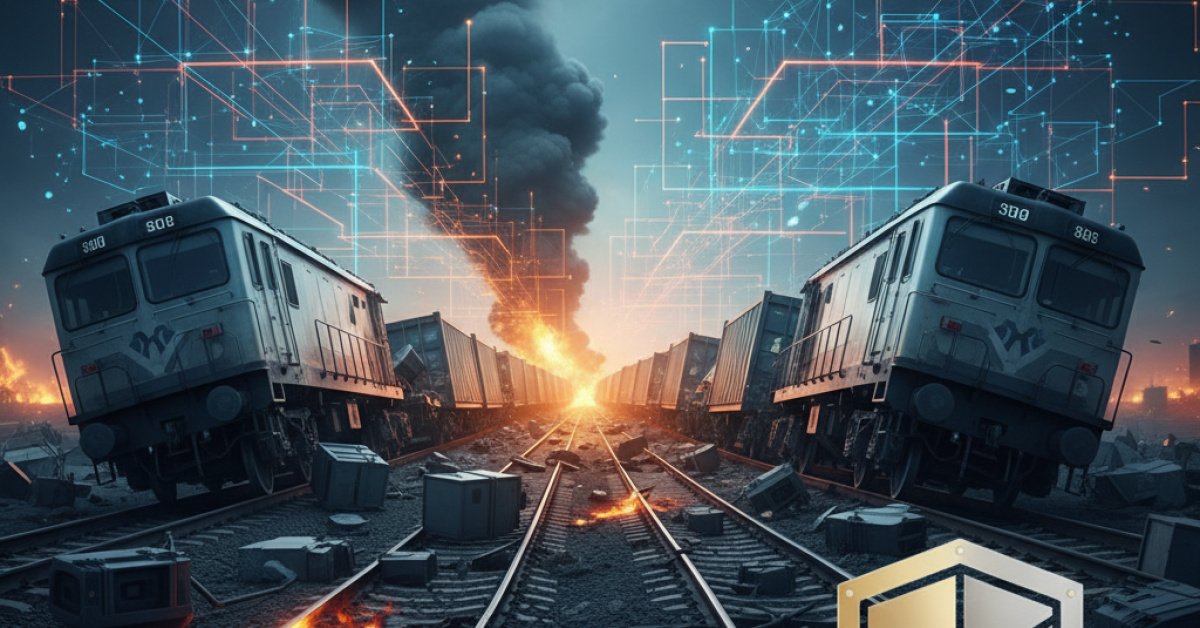
Recently, news broke about a suspected sabotage attack on a major rail line in Poland. And while your first thought might be about delayed shipments or a local disruption, I want you to look a little closer. For those of us in the insurance world, this isn't just another headline. It’s a flashing red light on our risk dashboard.
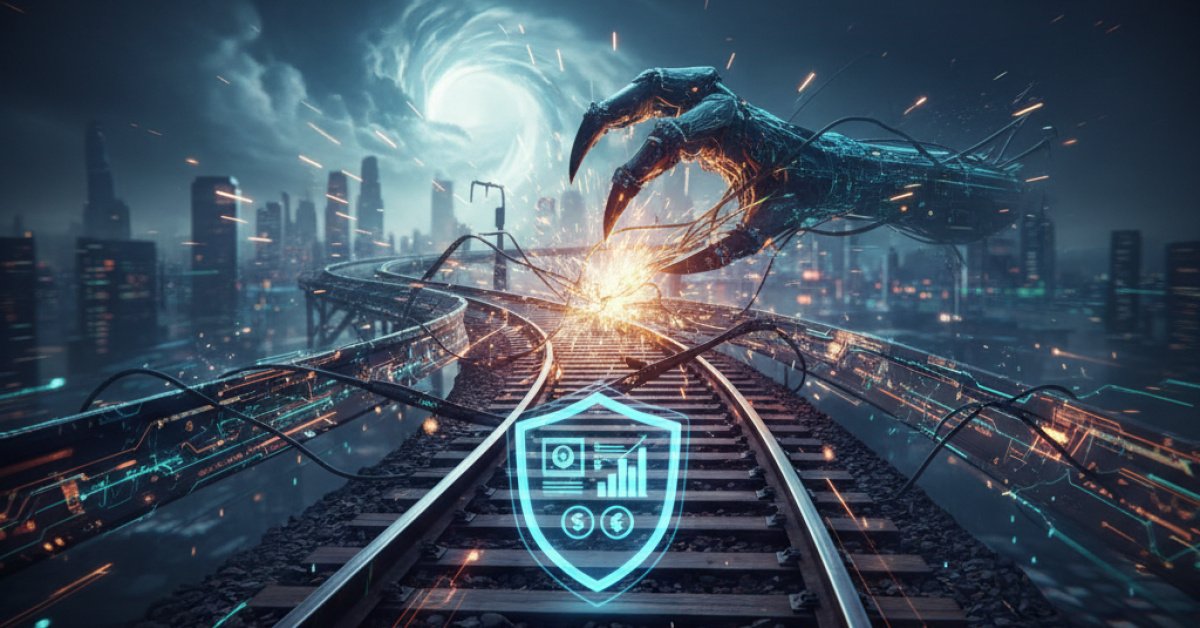
This incident is forcing a conversation we’ve been putting off for too long. We've spent the last decade obsessing over cyber threats—and for good reason. But we may have taken our eye off the ball when it comes to old-school, physical-world vulnerabilities. This Polish rail incident is a stark, jarring reminder that crowbars and bolt cutters can be just as disruptive as malware.
So, What Exactly Happened?
Let's quickly get on the same page. We're talking about a critical rail corridor in Poland—a key artery for goods moving across Europe. The details are still emerging, but the signs point to a deliberate act of sabotage designed to cause maximum disruption.
Think about that for a second. This wasn't a random act of vandalism. It was targeted. It was strategic. Someone knew exactly where to hit to cause a major problem.
And it worked. The attack didn't just halt a few trains; it sent ripples through the supply chain and raised some very uncomfortable questions for security officials across the continent. It’s one thing to have a train derail due to a technical failure. It’s something else entirely when someone intentionally causes it to happen.
This Isn't Just a Polish Problem
It’s easy to read a story like this and think, "Well, that's happening over there." But that’s a dangerous mistake. Europe's infrastructure is a deeply interconnected system. A blocked railway in Poland is like a clot in a major artery of the European economy.
Everything is connected. Goods destined for Germany might pass through that line. Parts needed for a factory in France could be on one of those delayed trains. The knock-on effects are immediate and widespread.
This is where the fear really starts to set in. If one key point is this vulnerable, what about the thousands of other points just like it? The bridges, the tunnels, the signaling stations? Suddenly, the entire network looks a lot more fragile than we thought. It’s a security nightmare, and it’s unfolding right in front of us.
The Insurance Angle: Why We're All Paying Attention Now
Okay, let's get to the heart of it. Why does this matter so much to us, the people who write the policies and pay the claims?
Because our entire business is built on pricing risk. And this event fundamentally changes how we need to think about infrastructure risk. For years, the big, scary monster in the room was a massive cyber-attack taking down a power grid or a port. Now, we're realizing the monster has a physical twin, and they might even be working together.
Our Exposure is Getting Bigger and Weirder
The term we use is "rising exposure," but what does that actually mean?
It means the potential for losses is growing in ways we haven't fully modeled. Think of it like this:
- Business Interruption Claims: A sabotaged rail line doesn't just damage the track. It stops businesses from getting their supplies and shipping their products. Those businesses have insurance, and they're going to file claims for their losses. Lots of them.
- Contingent Business Interruption: It gets even more complicated. What about the company whose key supplier was affected by the rail outage? They suffer a loss, too, even though their own property wasn't touched. That’s another potential wave of claims.
- Property Damage: Of course, there's the direct damage to the railway, the trains, and the cargo. These are huge, tangible losses.
When you start adding all this up, you realize that a single, localized act of sabotage can trigger a cascade of claims across multiple policy types and geographical regions. It’s a complex, tangled mess, and it makes underwriters very, very nervous.
Are We Even Covered for This?
This is the billion-dollar question that lawyers and claims adjusters are going to be wrestling with. Is an act of sabotage considered terrorism? Is it a political act? Is it plain old malicious damage?
The wording in insurance policies is incredibly specific. How an event is classified can be the difference between a claim being paid or denied. Many policies have exclusions for acts of war or terrorism, but sabotage can sometimes fall into a murky gray area.
Frankly, we're entering uncharted territory. The risk landscape is shifting faster than the policy language can keep up. We’re seeing a convergence of physical and political risks that most standard commercial policies were never designed to handle.
What This Means for Us on the Ground
This isn't just some high-level, theoretical problem for the bigwigs at Lloyd's of London. This has real-world implications for how we all do our jobs.
We need to be having tougher conversations with our clients about their supply chain vulnerabilities. It's no longer enough to ask, "What's your cybersecurity plan?" We also need to be asking, "What happens if the port your parts come through is shut down for a week? What if the main rail line you rely on is severed?"
Risk assessments need to get a lot more sophisticated. We have to start thinking like the saboteurs, identifying the critical weak points in our clients' operations that go beyond their own four walls.
And let's be honest, this is probably going to affect pricing and availability of coverage. When risk goes up, so do premiums. We may also see insurers start adding more specific exclusions for these types of events to limit their exposure.
This Polish rail incident isn't an isolated event. It's a sign of the times. We live in a world where geopolitical tensions can spill over into the physical sabotage of critical infrastructure. It’s a messy, unpredictable, and frankly, scary new reality. And for the insurance industry, ignoring it is no longer an option. This is our wake-up call. The question is, how will we answer it?