You hear the phrase "routine maintenance" and you probably think of something pretty low-key, right? Like getting the oil changed in your car or a technician checking the office air conditioner. It’s supposed to be the opposite of a disaster.
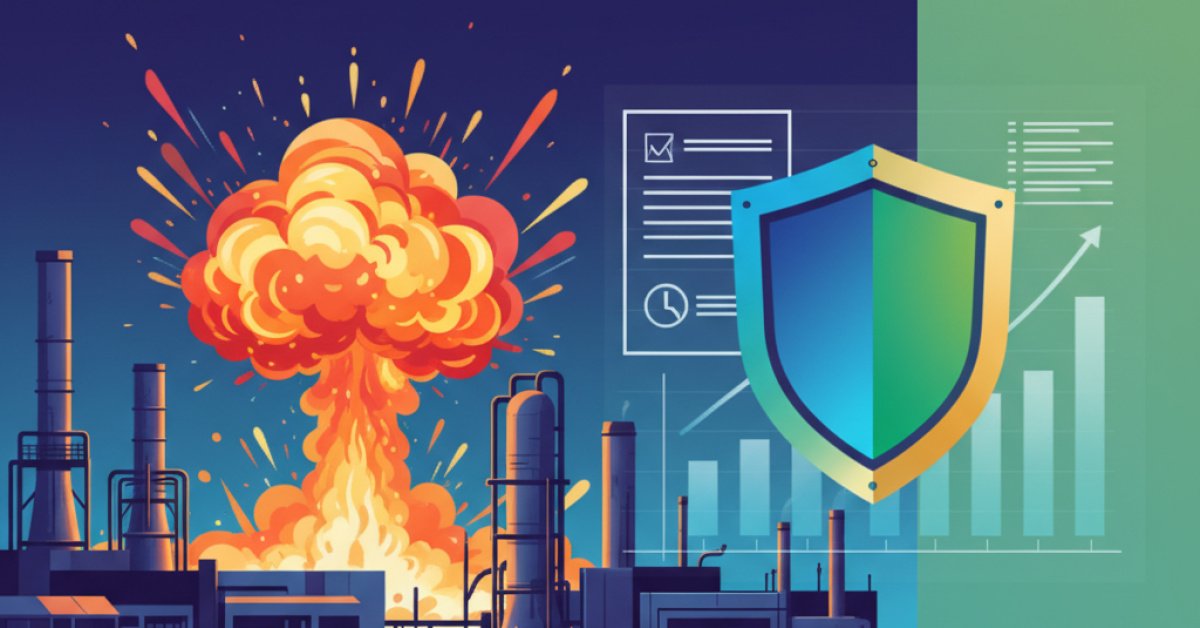
But in the world of massive energy projects, even the most "routine" days can go sideways in a spectacular, and incredibly expensive, way. That’s exactly what happened down in Louisiana recently. A natural gas pipeline, part of the planned Delfin LNG project, exploded during what was supposed to be a standard maintenance operation.
Suddenly, a predictable Tuesday turns into a chaotic scramble. News crews show up, emergency services are on high alert, and project managers are facing a nightmare. But behind the immediate drama, a different kind of machine kicks into gear: the insurance machine.
Because when something like this happens, the first question after "Is everyone okay?" is always "Who is going to pay for this?" Let’s pull back the curtain and look at the massive insurance puzzle that an event like this creates.
So, What Exactly Happened?
First, let's get the basic facts straight. We're talking about a 28-mile natural gas pipeline offshore in southwestern Louisiana. It's a critical piece of infrastructure meant to feed the proposed Delfin LNG (Liquefied Natural Gas) facility.
According to the local emergency preparedness office, operators were doing their thing—running through maintenance checks—when the pipeline ruptured and exploded. Thankfully, reports so far haven't indicated injuries, but the damage to the project's timeline and budget is another story entirely.
An explosion isn't just a loud bang and a fire. It’s a multi-million-dollar domino effect. And for every falling domino, there’s an insurance policy designed to stop it.
The Insurance Cascade: More Than Just a Broken Pipe
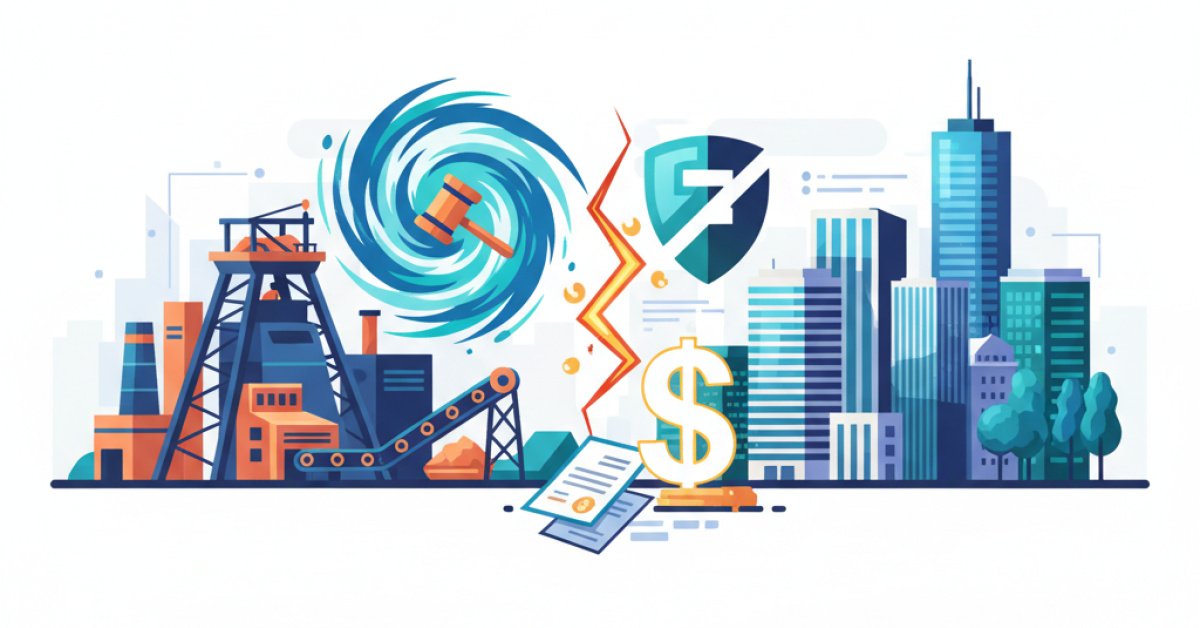
When an underwriter looks at a project like this, they don’t just see a single pipeline. They see a web of interconnected risks. An explosion like this doesn’t trigger one claim; it triggers a whole cascade of them.
Let's break down the main types of coverage that are almost certainly in play right now.
1. The Obvious One: Property Damage
This is the most straightforward piece of the puzzle. The pipeline itself is damaged, maybe even destroyed in sections. The cost to repair or replace a specialized, 28-mile-long pipeline is staggering.
This falls under the project's Property Damage insurance, often part of a "Builder's Risk" or "Construction All Risk" (CAR) policy if the project is still under construction. This policy is designed to cover the physical assets—the steel, the valves, the monitoring equipment—from events like fires, explosions, and other unforeseen perils. It’s the policy that pays to rebuild the tangible things that broke.
2. The Invisible Cost: Business Interruption
Here’s where the costs really start to spiral. The Delfin LNG project is now delayed. Every day it’s not operational is a day it’s not generating revenue. But the bills don't stop. Loans need to be paid, employee salaries are due, and contractual obligations still exist.
This is where Business Interruption (BI) insurance becomes the hero.
Think of it like this: if your coffee shop burns down, property insurance pays to rebuild the shop. But what about the months you can't sell coffee? How do you pay your rent and your staff? That's what BI covers—the lost income and ongoing expenses that you incur while you're shut down. For a massive energy project, these BI claims can easily dwarf the actual property damage costs.
3. Protecting the People: Workers' Compensation
The initial reports said no one was hurt, and let's hope it stays that way. But any time you have people performing maintenance on a high-pressure gas pipeline, the risk of injury is immense.
If any workers—either direct employees or contractors—had been injured in the blast, the company’s Workers' Compensation policy would have kicked in. This coverage pays for medical bills, rehabilitation, and lost wages for injured employees. It's a non-negotiable, fundamental piece of coverage for any business, but especially for those in high-risk industries.
4. The "What Ifs": Liability Coverage
This is the big catch-all for damage done to others. What if the explosion had damaged a nearby vessel? What if the resulting fire spread to property owned by another company? What if there was an environmental impact from the gas release?
These "what ifs" are covered by General Liability and Environmental or Pollution Liability policies.
- General Liability: This is the shield that protects a company if its actions (or accidents) cause bodily injury or property damage to a third party.
- Environmental Liability: This is a specialized policy that covers the costs of cleanup, environmental fines, and damages related to pollution. Releasing a massive amount of natural gas into the environment isn't something regulators take lightly.
Why "Routine" Is a Four-Letter Word in Insurance
Here’s a little inside baseball for you. From an insurance underwriter's perspective, "maintenance" periods are some of the riskiest times for any industrial facility.
It seems counterintuitive, right? You'd think the riskiest time is when everything is running at full tilt.
But during maintenance, systems are taken offline, pipes are opened up, and human hands are interacting directly with powerful, complex machinery. It's when the potential for human error is at its absolute highest. A valve not closed properly, a pressure gauge misread, a spark in the wrong place—that’s all it takes.
Insurers know this. They often ask incredibly detailed questions about a company's maintenance procedures, safety protocols, and staff training before they'll even agree to write a policy. An event like this is exactly the scenario that keeps them up at night.
The Real Takeaway for Any Major Project
While the headlines focus on the explosion, the real story here is about risk and preparation. A project of this scale simply cannot exist without a sophisticated, layered insurance program. It’s the financial safety net that allows companies to take these massive risks in the first place.
It shows that no matter how well-engineered or planned a project is, things can—and do—go wrong. The insurance isn't just a "nice-to-have"; it's the bedrock that allows for recovery. Without it, an incident like this wouldn't just be a delay; it could be a company-ending event.
So next time you hear about an industrial accident on the news, think beyond the immediate event. Picture that complex web of insurance policies, claims adjusters, and risk managers working behind the scenes. They’re the ones putting the pieces back together, ensuring that a single bad day doesn't have to be the end of the story.