It’s finally here. The moment sports fans and operators across Missouri have been waiting for. The floodgates are open, bets are being placed, and money is starting to move. It’s an exciting, high-energy time, and if you’re an operator, you’re probably focused on customer acquisition, promotions, and making sure your platform is running smoothly.
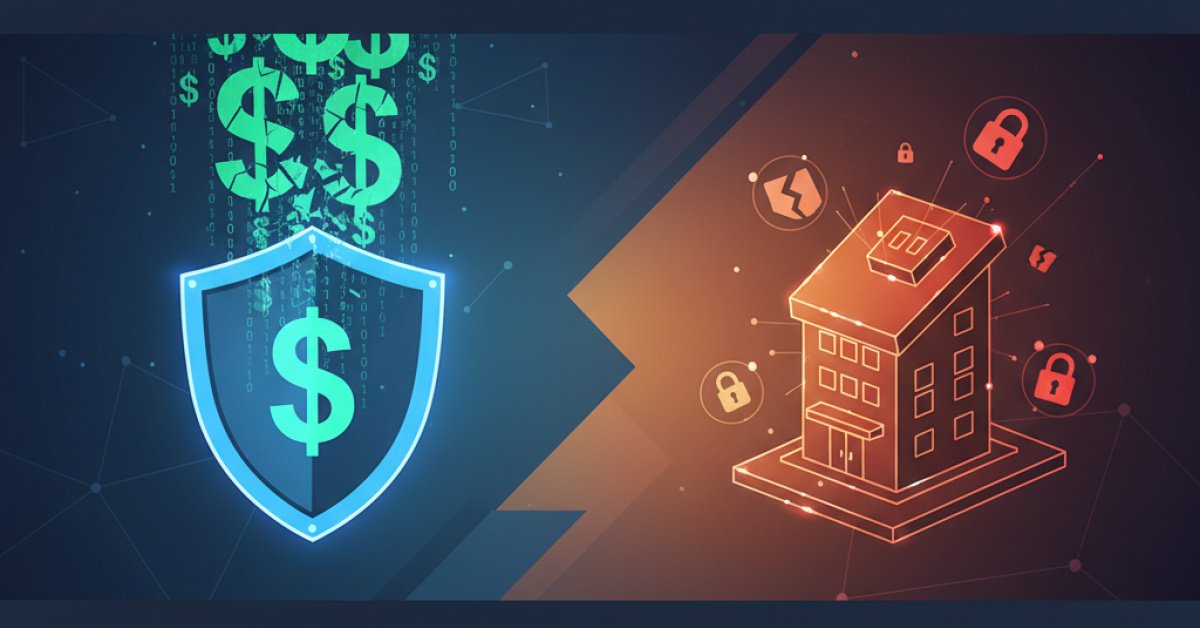
But I want you to pause for a second and think about something else. While you’re watching the bets roll in, someone else is watching, too. And they aren’t a fan of the Chiefs or the Cardinals. They’re hackers, cybercriminals, and digital thieves who see your brand-new operation as a shiny, unguarded bank vault.
Honestly, the launch of a new, data-rich industry like this is like ringing a dinner bell for bad actors. They know you’re new, you might be scrambling to keep up, and you’re suddenly handling a massive amount of incredibly valuable information. It’s a perfect storm, and I’m here to talk about the umbrella you’re going to need.
What’s the Big Deal? It’s Just a Few Bets, Right?
It’s easy to underestimate the risk. You might think, "We're just a sports betting app, what's the worst that could happen?" But let's break down what you're actually holding.
Think of it this way: every single person who signs up is handing you a digital treasure chest. Inside, you’ve got:
- Personal Identifiable Information (PII): Names, addresses, dates of birth, Social Security numbers. This is gold on the dark web.
- Financial Data: Credit card numbers, bank account details, transaction histories.
- Behavioral Data: Betting patterns, user habits, login times. This might not seem sensitive, but it can be used to profile and target users for sophisticated scams.
Suddenly, your company isn't just a fun platform for placing a wager on the big game. You're a custodian of highly sensitive data for thousands, maybe even hundreds of thousands, of people. And that puts a massive target on your back. Hackers know that new markets often have security gaps as companies rush to launch. They’re actively probing for weaknesses right now.
These Aren’t Your Grandfather’s Cyber Threats
When we talk about cyber issues, most people picture a lone hacker in a dark room stealing credit card numbers. And while that’s certainly part of it, the threats facing sports betting operators are way more complex and, frankly, more creative.
It’s not just about data theft anymore. Imagine this scenario: It’s the Sunday of the Super Bowl, your biggest revenue day of the year. Your users log in, ready to place their bets, but your entire platform is frozen. A message pops up on your screen: "Your files are encrypted. Pay us $500,000 in Bitcoin or your platform stays down and we release all your customer data."
That’s ransomware. It’s not just a data breach; it’s a complete shutdown of your business at the worst possible moment.
And there are other, sneakier risks, too. Phishing attacks that trick your employees into giving up login credentials, social engineering that manipulates customer service reps, or even attacks that slightly alter the odds on your own platform without you noticing, siphoning off money slowly over time. These are the new battlegrounds, and they require a new kind of defense.
The Rules of the Game are Still Being Written
Here’s another layer of complexity: you’re operating in a brand-new regulatory environment.
Because sports betting is new to Missouri, the state is figuring out the rules as it goes. Compliance and data privacy laws are constantly evolving. What’s considered acceptable data handling today might be a finable offense six months from now.
This creates a huge challenge. You have to build and run your business while simultaneously trying to keep up with a rulebook that’s being written in real-time. A simple mistake, an unintentional compliance oversight, could lead to massive fines from regulators. And trust me, when a data breach happens, the regulators will be looking at your security practices with a microscope. "We were new" won't be an excuse they accept.
Why Your General Liability Policy is a Losing Bet
So, you have insurance, right? You probably have a General Liability policy, and you might think you’re covered.
I have to be the bearer of bad news here: your standard business insurance almost certainly does not cover you for these kinds of cyber risks. A General Liability policy is designed for things like slip-and-falls in your office or property damage. It was never intended to cover the costs of a data breach, a ransomware payment, or a regulatory fine for a privacy violation.
Relying on a traditional policy for a digital-age problem is like bringing a baseball bat to a sword fight. You’re just not equipped for the threat you’re facing.
This is Where Cyber Liability Insurance Steps In
This is the specific coverage built for the modern world. A good Cyber Liability policy is your financial backstop when a digital disaster strikes. It’s designed to cover the very specific—and very expensive—costs that come with a cyber incident.
Let’s get specific. Here’s what a solid policy can help you with:
- Breach Response Costs: This is the immediate, chaotic aftermath. It covers things like hiring a forensic IT team to figure out what happened, paying for a public relations firm to manage the reputational damage, and setting up customer notification systems.
- Legal and Regulatory Costs: If you get sued by customers whose data was stolen, or fined by the state for a compliance failure, this is what covers your legal defense and the fines themselves. These costs can be astronomical.
- Business Interruption: Remember that ransomware scenario on Super Bowl Sunday? This coverage helps you recoup the income you lost while your platform was down. It can be the difference between surviving an attack and going out of business.
- Data Recovery: It can cover the costs of trying to restore your systems and recreate data that was lost or corrupted in an attack.
The world of sports betting is fast-paced and high-stakes, not just for the bettors but for the operators, too. You've invested so much to get your platform off the ground in Missouri. It would be a tragedy to see it all derailed by a threat you didn't prepare for.
Don't wait until you're staring at a ransom demand or a letter from a regulator to think about your coverage. The time to get your defenses in order is now, right at the beginning. Take a serious look at your cyber risk and talk to someone who understands this space. It’s one of the smartest bets you’ll ever make.