It’s easy to think of major industrial accidents as something that happens somewhere else, to some other company. You see it on the news—a massive chemical plant, a huge oil spill. But sometimes, the biggest risks are quietly humming away in the back of businesses we’d never expect.
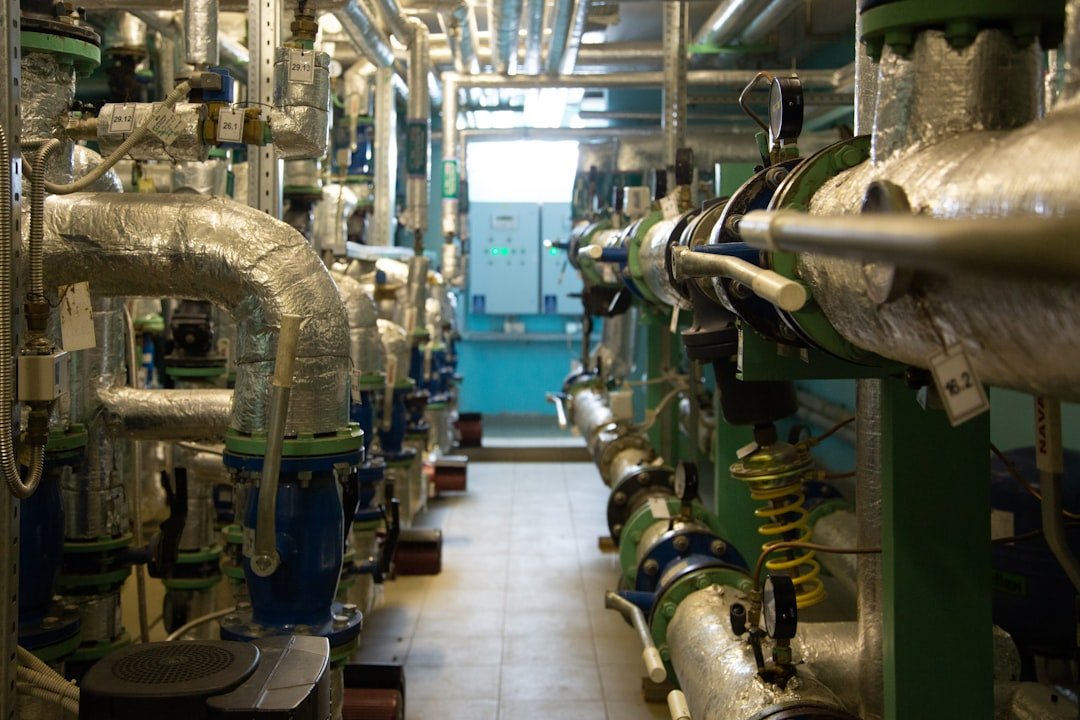
Think about a food distributor. You’re probably picturing pallets of snacks and frozen goods, not hazardous chemicals. But many of these facilities rely on things like anhydrous ammonia for refrigeration. And when that’s not handled with extreme care, the consequences can be devastating.
That’s exactly what a Massachusetts-based food and snack distributor, Home Market Foods, is learning the hard way. They were just hit with a staggering $1.1 million civil penalty from the U.S. Environmental Protection Agency (EPA). Why? Because of a deadly ammonia release that the EPA says could have, and should have, been prevented.
This isn't just a story about a fine. It's a wake-up call for any business that uses hazardous materials, no matter how "routine" it seems. Let's dig into what happened and what we can all learn from it.
So, What Went Wrong in Massachusetts?
At its core, this story is about a failure to follow the rules—rules that are in place for a very good reason. The EPA came down hard on Home Market Foods for violating the federal Clean Air Act's chemical safety requirements.
Now, "violating the Clean Air Act" sounds pretty vague and corporate, right? Let me break down what it actually means in the real world.
The EPA alleged that the company failed to:
- Identify potential hazards: They didn't adequately review the risks associated with their refrigeration system. It's like driving a car without ever thinking about what might happen if the brakes fail.
- Maintain safe operating procedures: They didn't have clear, up-to-date instructions for running their equipment safely. This is the equivalent of not having a user manual for a complex and dangerous machine.
- Follow industry standards: The company allegedly didn't keep up with recognized and generally accepted good engineering practices. Safety standards in these industries are constantly evolving for a reason, and falling behind can have catastrophic results.
When you put it all together, it paints a picture of a system where safety wasn't the top priority. And unfortunately, that led to a release of ammonia that cost a worker their life.
The $1.1 million penalty isn't just a punishment; it's a message from the EPA. They're saying that these aren't just bureaucratic hoops to jump through. These are life-and-death regulations.
The Million-Dollar Question: Is This Covered by Insurance?
Whenever I see a headline like this, my insurance brain immediately starts spinning. A $1.1 million fine is a massive blow, and that's before you even get to the other costs. You've got potential lawsuits from the victim's family, business interruption, and the cost of cleaning up and repairing the facility.
So, does a standard insurance policy cover something like this? The answer is... it's complicated.
Let's think about your standard General Liability (GL) policy. A GL policy is fantastic for "slip and fall" type incidents and other third-party injuries or property damage. But when it comes to pollution, things get tricky.
Most GL policies today have what's called an "absolute pollution exclusion." It sounds exactly like what it is. It’s designed to exclude coverage for bodily injury or property damage arising from pollution events—like a chemical release. There might be some very limited exceptions, but you absolutely cannot count on your GL policy to be your safety net here.
This is where specialized coverage becomes critical.
Enter Pollution Liability Insurance
This is the policy designed for exactly this kind of nightmare scenario. A Pollution Liability policy (sometimes called Environmental Impairment Liability) is built to fill the gaps left by your General Liability policy.
It can help cover things like:
- Cleanup costs: Decontaminating the site after a release can be incredibly expensive.
- Bodily injury and property damage: It can respond to claims from third parties who were harmed by the release.
- Legal defense costs: The cost of defending yourself against lawsuits and regulatory actions can be astronomical, even if you’re ultimately found not at fault.
- Fines and penalties: Some, but not all, policies may offer coverage for civil fines and penalties, depending on the policy language and state laws. This is a critical point to discuss with your broker.
The story of Home Market Foods is a perfect, if tragic, example of why this coverage isn't just for heavy industrial manufacturers. Food processors, cold storage facilities, farms, and even hospitals often use chemicals like ammonia. If your business uses, stores, or transports potentially hazardous materials, you need to be having a serious conversation about Pollution Liability.
Your Takeaway: How to Avoid This Kind of Disaster
Okay, so this is a scary story. But the point isn't to scare you; it's to empower you. You can take concrete steps right now to make sure your business isn't the next headline.
1. Get Real About Your Risks. Don't assume you're safe. Do a top-to-bottom risk assessment. What chemicals are on-site? What are the worst-case scenarios? Bring in a third-party safety consultant if you need to. A fresh set of expert eyes can spot risks you've been looking at every day and have become blind to.
2. Make Compliance a Culture, Not a Checklist. The problem in Massachusetts wasn't just a missed item on a checklist; it was a systemic failure. Safety procedures need to be living documents. Are you training your employees regularly? Are you updating your protocols to meet the latest industry standards? Safety has to be part of your company's DNA, from the C-suite to the front line.
3. Review Your Insurance with a Fine-Toothed Comb. Pull out your insurance policies. Right now. Look for that pollution exclusion in your General Liability policy—I can almost guarantee it's there. Then, call your insurance broker and have a frank conversation.
Ask them directly: "If we had an ammonia leak like the one at Home Market Foods, what would be covered? What wouldn't be?" Talk about Pollution Liability. Talk about your Workers' Compensation policy and how it would respond. Don't leave this to chance.
At the end of the day, that $1.1 million fine is just a number. The real cost was a human life, a devastated family, and a community shaken. This story is a powerful reminder that risk management isn't just about protecting your bottom line. It's about protecting your people, your reputation, and the business you've worked so hard to build. And that’s a responsibility we all share.