Let’s be honest for a second. Most of the time, our relationship with our insurance carrier feels a bit… one-sided, doesn't it? We pay our premiums, cross our fingers, and hope we never have to file a major claim. It’s a necessary safety net, but it often feels like you're just paying for a "what if."
But what if your insurer turned that idea on its head? What if, instead of just being there after a disaster, they actively paid you to prevent the disaster in the first place?
Well, that’s exactly what’s happening. FM Global just announced they’re doubling their "resilience credit," a move that’s expected to return a whopping $825 million to their clients. It’s a huge number, but the dollar amount isn't even the most interesting part of this story. The real shift is what they’re encouraging businesses to protect against. This is a move that I think signals a much bigger, smarter trend in the world of commercial insurance.
So, What Exactly is This "Resilience Credit"?
Before we get into the nitty-gritty, let's break down what we're even talking about. A "resilience credit" is pretty much what it sounds like. Think of it like a cash-back reward program for being a good, safe client.
Historically, FM Global has given this credit to clients who take proactive steps to protect their physical properties. You know, things like installing top-notch sprinkler systems to prevent a small fire from becoming a catastrophe, or reinforcing a roof to withstand a hurricane.
It’s a win-win. You, the client, get a safer facility and a discount on your premium. FM Global, the insurer, gets a client who is far less likely to have a massive, expensive property claim. It’s simple, smart, and it works.
Now, they're taking that successful idea and putting it on steroids. By doubling the credit, they're not just offering a little thank you; they're making a significant financial investment in their clients' safety.
It's Not Just About Fires and Floods Anymore
Here’s where things get really interesting. For years, this kind of credit was all about tangible, physical risks to your property. But the world has gotten a lot more complicated, and the things that can bring a business to its knees have changed, too.
FM Global is officially expanding the focus of this credit to include operational risk.
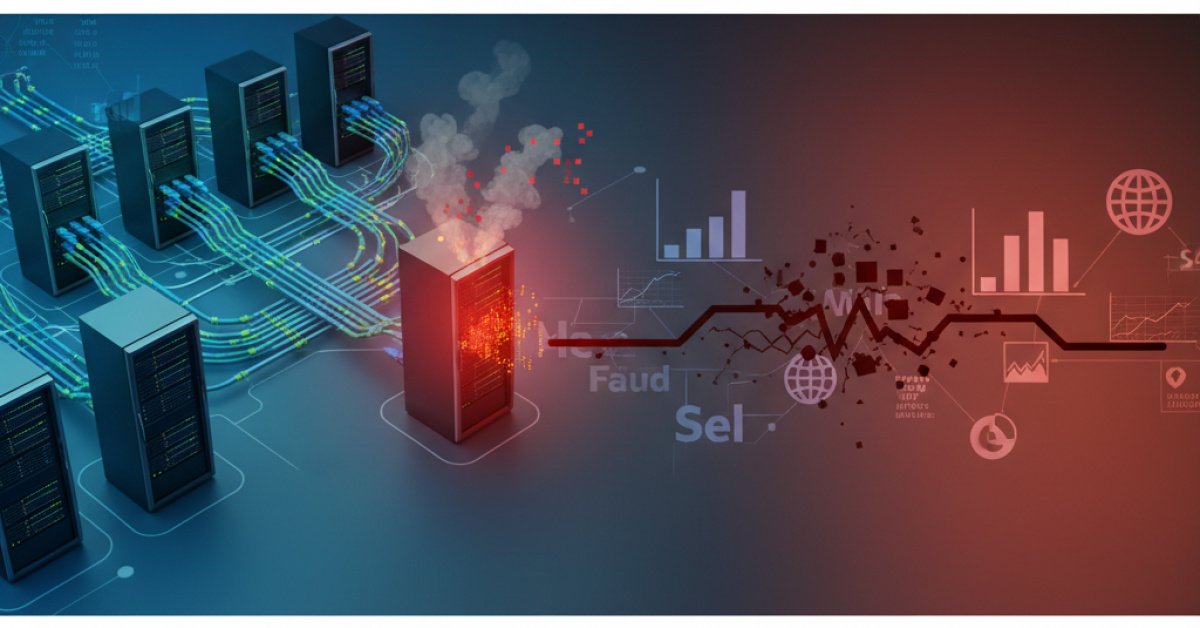
This is a huge deal. They’re recognizing that a massive fire isn't the only thing that can shut you down. What about a crippling cyberattack? A critical piece of machinery failing? A key supplier suddenly going out of business? These are operational risks, and they can be just as devastating as a natural disaster.
Let me give you a few examples of what this new focus might cover:
- Cybersecurity: Investing in better defenses to prevent ransomware or data breaches.
- Supply Chain: Diversifying your suppliers so that a problem in one part of the world doesn’t halt your entire production line.
- Equipment Failure: Implementing predictive maintenance programs to fix machinery before it breaks down unexpectedly.
- Human Error: Putting stronger training and safety protocols in place to prevent costly mistakes.
By rewarding clients for shoring up these vulnerabilities, FM Global is saying, "We don't just care about your building; we care about the health of your entire business operation."
Why Make This Change Now?
You might be wondering, why the sudden generosity and expanded focus? Well, it’s not charity—it’s just really smart business, and it reflects the reality we're all living in.
Think about it. The risks businesses face today are interconnected in ways they never were before. A climate event like a flood (a traditional property risk) can knock out a key supplier (an operational risk), which then causes a massive business interruption loss. You can't neatly separate these things into different boxes anymore.
FM Global sees this. They understand that a client who is resilient to a cyberattack or a supply chain disruption is a better, more stable risk overall. By encouraging clients to invest in these areas, they are reducing the chances of having to pay out on a massive, complex business interruption claim down the road.
It’s a proactive approach in a world that is often reactive. Instead of just pricing for risk, they are helping their clients actively reduce it. And by putting $825 million on the table, they’re showing they are serious about it.
What This Means for You (and the Future of Insurance)
If you're an FM Global client, the immediate takeaway is obvious: there's money on the table for you to become a stronger, safer company. It’s a fantastic opportunity to get financial help for those critical risk management projects that might have been on the back burner.
But even if you're not, this move is worth paying attention to. It’s a sign that the insurance industry is evolving. The old model of simply assessing risk and sending a bill is starting to feel outdated. The future, it seems, is about partnership.
It's about insurers working hand-in-hand with their clients, using their vast data and expertise to help businesses not just survive potential disasters, but to thrive by avoiding them altogether. It’s a shift from "we'll pay if it breaks" to "let's work together to make sure it never breaks."
And honestly, that’s a much healthier and more productive relationship for everyone involved. It’s a welcome change, and I’ll be watching closely to see how the rest of the industry responds.