Let’s be honest, the idea of a self-driving car is pretty cool. You hop in, tell it where to go, and then you can just kick back, read a book, or catch up on emails. It feels like we're living in the future.
But then you see the headlines. A self-driving car gets confused by road markings. Another one doesn't "see" a pedestrian. And suddenly, the futuristic dream gets a little… complicated.
As someone who’s spent years in the insurance world, my first thought isn’t about the cool tech. It’s about the inevitable, messy question: when one of these cars crashes, who pays for it? The "owner" who wasn't even driving? The car manufacturer? The company that wrote the code?
Right now, it’s a bit like the Wild West. And that’s precisely why the news that the U.S. government is stepping in to write a rulebook is such a massive deal for all of us.
Why We Desperately Need Rules of the Road
Think about it this way. Insuring a human driver is something we've been doing for over a century. We have mountains of data on how people behave behind the wheel. We know that teenage drivers are riskier than 40-year-olds. We know the consequences of speeding, of distracted driving, of running a red light. We have a system—flawed as it may be—for assigning fault.
But how do you assign fault to an algorithm?
That’s the puzzle the insurance industry has been wrestling with. After a string of high-profile accidents and safety mishaps involving autonomous vehicles, it became painfully clear that we can’t just let these cars onto the road and hope for the best. Without a baseline for what "safe" autonomous driving even looks like, trying to create an insurance policy for one is like trying to nail Jell-O to a wall.
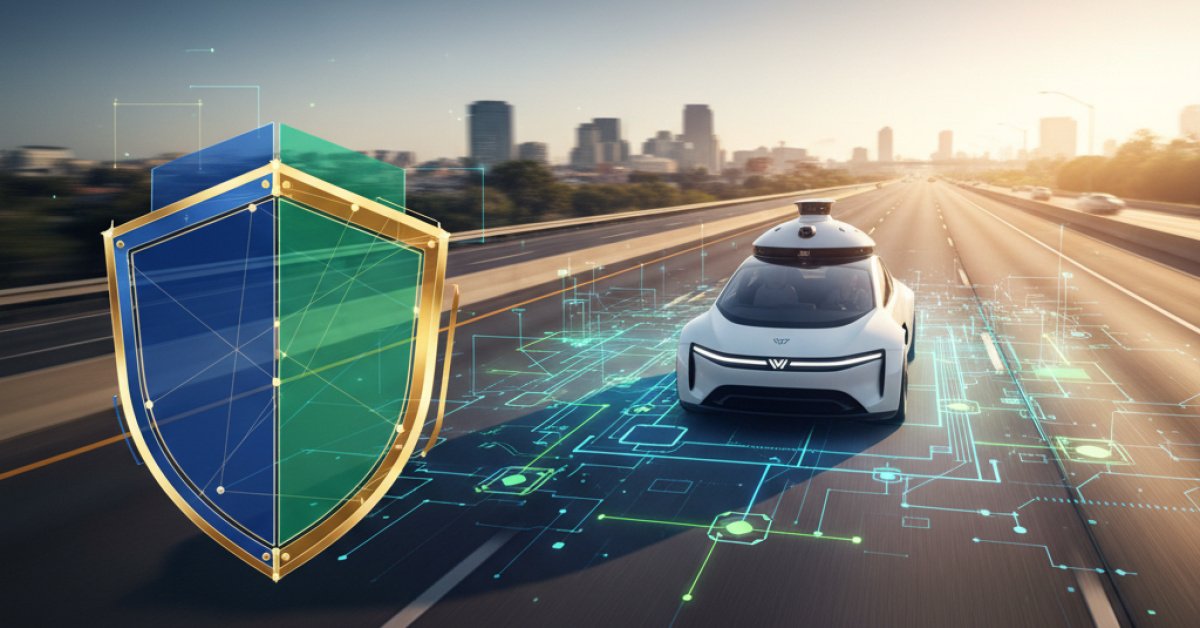
This is where the federal government comes in. The Trump administration started the process of developing new, concrete safety requirements that dictate how these vehicles should actually behave. They’re not just talking about the hardware, like sensors and cameras, but the software—the digital brain making the decisions.
Setting the "Guardrails" for Our Robot Chauffeurs
So, what does it mean to set "guardrails" for a self-driving car?
Imagine you’re teaching a teenager to drive. You don’t just hand them the keys. You teach them the rules: how to merge, how far to stay behind the car in front, what to do at a four-way stop. These new federal requirements are essentially that driver's ed manual, but for the car itself.
The goal is to create a national standard for safe autonomous operation. This could include things like:
- Decision-making protocols: How should the car react when faced with a sudden obstacle?
- System safety checks: How does the car verify its sensors are working correctly before and during a trip?
- Cybersecurity standards: How do we protect the car from being hacked?
- Data recording: What information needs to be stored after a crash to determine what went wrong?
For insurers, this is everything. It’s the difference between a complete black box and a system with clear, auditable standards. If a car is involved in an accident and it turns out it wasn't following a federal safety protocol, the lines of liability start to become a whole lot clearer.
The Billion-Dollar Question: Shifting from Personal to Product Liability
Here’s where things get really interesting for your insurance policy. For your entire driving life, your car insurance has been based on you. Your driving record, your age, where you live, and the car you drive. It’s a policy centered on human behavior.
Autonomous vehicles flip that script completely.
If you’re not steering, braking, or accelerating, are you really "driving"? When the car is in full control, the risk is no longer about your behavior; it’s about the performance of a product. And that changes the insurance game from the ground up.
These new federal standards are the first step toward shifting the focus from personal auto insurance to product liability insurance.
Think of it like this: if your new toaster catches fire because of a design flaw, you don’t file a claim on your homeowner's insurance for "bad toasting." The liability lies with the manufacturer for selling a faulty product.
Similarly, if a self-driving car causes a pile-up because its software failed to recognize a stopped fire truck—a real-world scenario that has happened—the argument is strong that the fault lies with the creator of that software. The federal guardrails will help define what constitutes a "faulty" or "unsafe" product, giving insurers a legal framework to build new kinds of policies.
What This Means for the Future
Let's be clear: this isn't going to happen overnight. The move to create these rules was a critical first step, but the journey is a long one. Automakers, tech companies, and insurers are all watching with bated breath to see how these initial guidelines evolve.
For now, we're in a hybrid world. Most "self-driving" features are still just advanced driver-assistance systems, and you, the human, are still very much responsible. But as we move toward true, hands-off autonomy, the rules being written today will shape the entire landscape.
They’ll determine how safe these vehicles are, how they’re tested, and ultimately, how they’re insured. It’s a complicated, fascinating, and incredibly important process. And it’s the only way we can turn the sci-fi dream of self-driving cars into a safe, insurable, and everyday reality.