Have you noticed it, too? It seems like you can't listen to an earnings call or read a business update these days without hearing about Artificial Intelligence. Especially in banking. CEOs are practically giddy talking about how AI is going to streamline everything and, let's be honest, "slim down workforces." It’s the new corporate buzzword that promises a future of ultimate efficiency and lower overhead.
On the surface, it sounds great, right? Faster service, smarter decisions, lower costs. Who wouldn't want that? But there's another side to this story, and it’s one that we in the insurance world need to watch very, very closely.
While the execs are dreaming of automated utopias, a different group of people is starting to get a little nervous: the regulators. The watchdogs. The people whose job it is to make sure the entire financial system doesn't accidentally drive itself off a cliff. And they’re starting to send a clear message: "Not so fast."
The Big Clash: Innovation vs. Caution
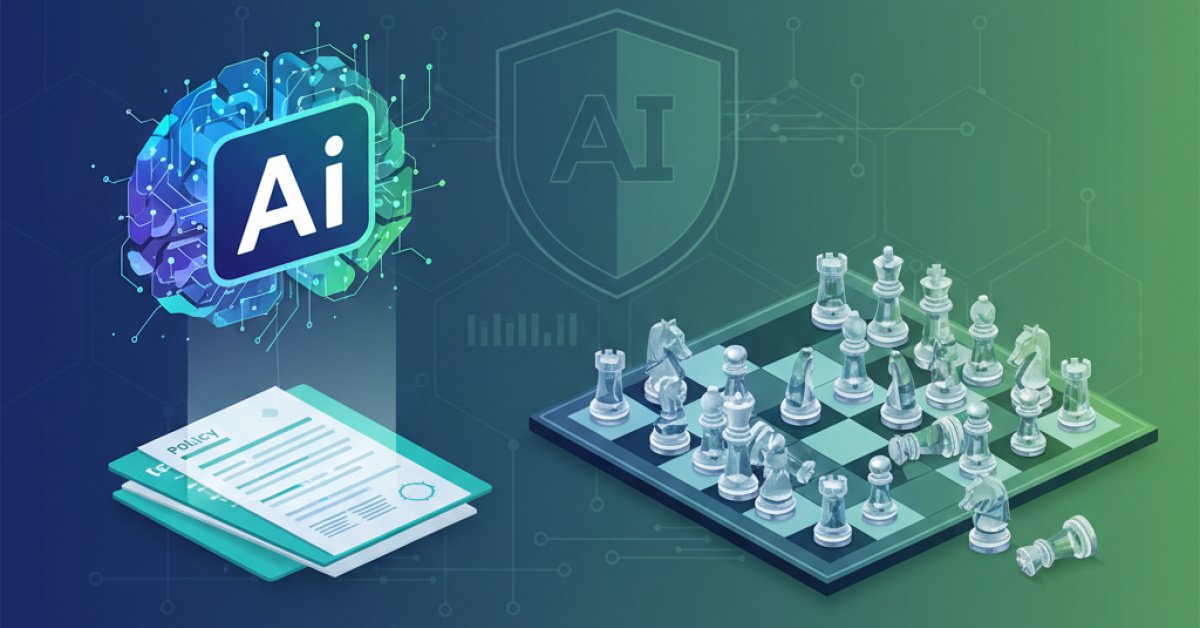
Think of it like this. You’ve got one group of people with their foot slammed on the accelerator, excited about how fast this new AI car can go. And you've got another group in the passenger seat, pointing out that nobody has checked the brakes, the steering, or the roadmap yet.
This is exactly what’s happening in banking right now. The European Banking Authority (EBA), which is basically the top rulemaker for banks in the EU, has been holding a lot of meetings lately. They’re talking to the big banks and trying to get a handle on how they're planning to use all this shiny new tech.
And they’re not just curious. They’re concerned.
They see the huge potential for things to go wrong. What happens when an algorithm starts making biased lending decisions? Who is responsible when an AI-powered system makes a billion-dollar mistake in a split second? How do you protect customer data when it's being fed into complex, self-learning models that even their creators don't fully understand?
These aren't just philosophical questions. They have real-world consequences for people's lives and the stability of the entire economy. The regulators know this, and they're trying to get ahead of it before we see a major AI-driven catastrophe.
"Okay, But That's Banking. What About Us?"
I can hear you thinking it. "Interesting story, but I'm in insurance. We deal with claims and policies, not global finance."
Well, here’s the thing: every single pressure and every single opportunity the banks are facing with AI is heading our way, if it isn't here already. We're all part of the same financial services family, and the regulatory mindset doesn't stop at the bank's front door.
Think about our own industry's AI obsessions:
- Automated Underwriting: Using AI to analyze massive datasets and approve or deny policies in seconds.
- AI-Powered Claims Processing: Letting algorithms assess damage from a photo and instantly issue a payment.
- Personalized Pricing: Creating hyper-specific premiums based on an individual's behavior, tracked by sensors and data.
- Chatbot Customer Service: Handling inquiries and guiding customers without a single human involved.
Sound familiar? It’s the same playbook. The goal is the same: be faster, be cheaper, be more efficient. And believe me, the risks are the same, too.
The Questions Regulators Will Be Asking Insurance
The warnings the EBA is giving to banks today are the exact same questions insurance regulators will be asking us tomorrow. We need to have answers ready.
Who's Actually in Charge Here?
When you hand over critical decisions like underwriting or claims approval to an algorithm, who is ultimately accountable? Is it the developer who wrote the code? The manager who oversaw the project? The CEO?
Regulators want to see a clear line of human oversight. They need to know that there's a person, not just a process, who is responsible when things go wrong. We can't just throw our hands up and say, "The computer did it!"
Are We Baking in Bias?
This one is huge. AI learns from the data we give it. If our historical data reflects old biases (and let's be real, it often does), the AI will learn and amplify those biases. It could lead to entire communities being unfairly charged higher premiums or having their claims denied more often.
Proving that your AI is fair and equitable is going to become a massive compliance hurdle. Just saying you "tuned the algorithm for fairness" won't be enough. You'll need to show your work.
What's the Plan When It Breaks?
No technology is perfect. So, what's our contingency plan when the AI claims system goes down or starts spitting out nonsense? How do we protect our customers and our own business from a catastrophic tech failure?
Regulators will want to see robust risk management plans that specifically address the unique failures that AI systems can experience.
The bottom line is that the "move fast and break things" philosophy of the tech world just doesn't fly in a heavily regulated industry like ours. The stakes are too high. People are depending on us to be there for them at the worst moments of their lives; we can't afford to get it wrong because we were too eager to adopt a new tool without thinking it through.
So, as you watch the headlines about banks and AI, don't just see it as another industry's problem. See it as a preview of coming attractions. The conversation between the banking CEOs and their regulators is a dress rehearsal for the one we're about to have. The smart move is to start preparing for our opening night now.