Let’s be honest, nobody really loves performance review season.
If you’re a manager, it’s a mountain of paperwork and a calendar full of tough conversations. If you’re an employee, it’s a week of low-key anxiety, wondering if your hard work on that tricky commercial lines account or that complex life insurance case will even be remembered. It’s a process that’s supposed to be helpful but often feels… well, a little broken.
So, when I heard that a massive company like JPMorgan Chase is rolling out AI to help managers write their reviews, I had two immediate thoughts. First: "Huh, that could actually save a ton of time." And second: "Wait a minute. What could possibly go wrong?"
As folks in the insurance world, we’re trained to think about risk. It’s in our DNA. And while the idea of an AI assistant sounds great on the surface, we need to pop the hood and see what this really means for our industry.
So, What's the Big Idea Behind AI-Powered Reviews?
Okay, let's start with the "why." Why would a company even consider letting a bot have a say in something as human as a performance review?
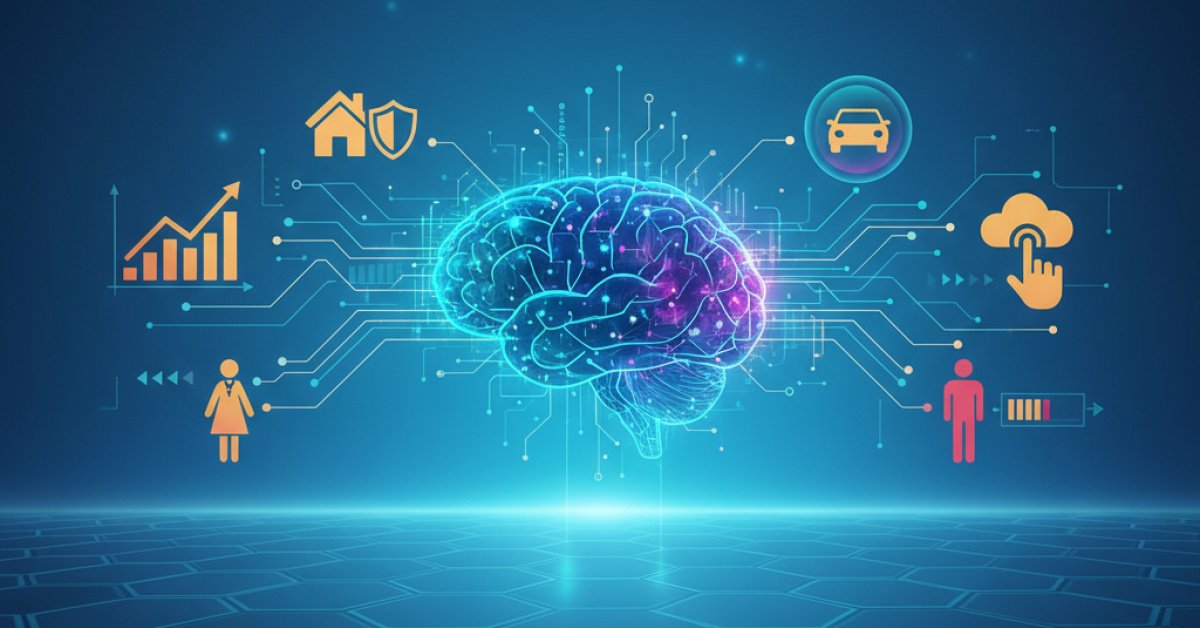
The appeal is pretty obvious. Managers are swamped. I’ve talked to agency owners who spend weeks, not days, on their annual reviews. The idea is that AI can act as a super-smart assistant. It can sift through tons of data—things like sales numbers for a producer, turnaround times for a claims adjuster, or even positive feedback from client emails—and then generate a first draft of the review.
Think of it like a chef using a fancy food processor. It does the tedious chopping and dicing, so the chef can focus on the important stuff, like balancing flavors and creating the final dish. In theory, this frees up the manager to spend less time staring at a blank page and more time having a meaningful, human conversation with their team member. It sounds like a win-win, right?
But Will It Feel Like a Robot Wrote It?
This is where things start to get a little tricky. We’ve all read something that was clearly written by a machine. It’s generic, it lacks soul, and it often misses the point.
Imagine you’re an underwriter who spent three months untangling a ridiculously complex risk for a new client. You found a creative solution that nobody else saw, saving the agency a huge account. An AI might see that your file-closing speed was slightly below average for that quarter and generate a comment like: "Employee demonstrates opportunities for improvement in workflow efficiency."
Ouch.
That kind of feedback is not only demoralizing, but it’s also completely useless. It misses the context, the nuance, and the story behind the numbers. The best feedback I’ve ever received in my career was specific, personal, and showed that my manager actually saw the effort I was putting in, not just the data I was producing.
Can an algorithm do that? I’m skeptical. A great manager knows that the person who quietly mentors the new hires or the one who always steps up to handle the angriest client calls is incredibly valuable, even if those things don't show up on a spreadsheet. AI doesn't understand teamwork or morale. It just understands data points.
The Elephant in the Room: Let's Talk About Bias
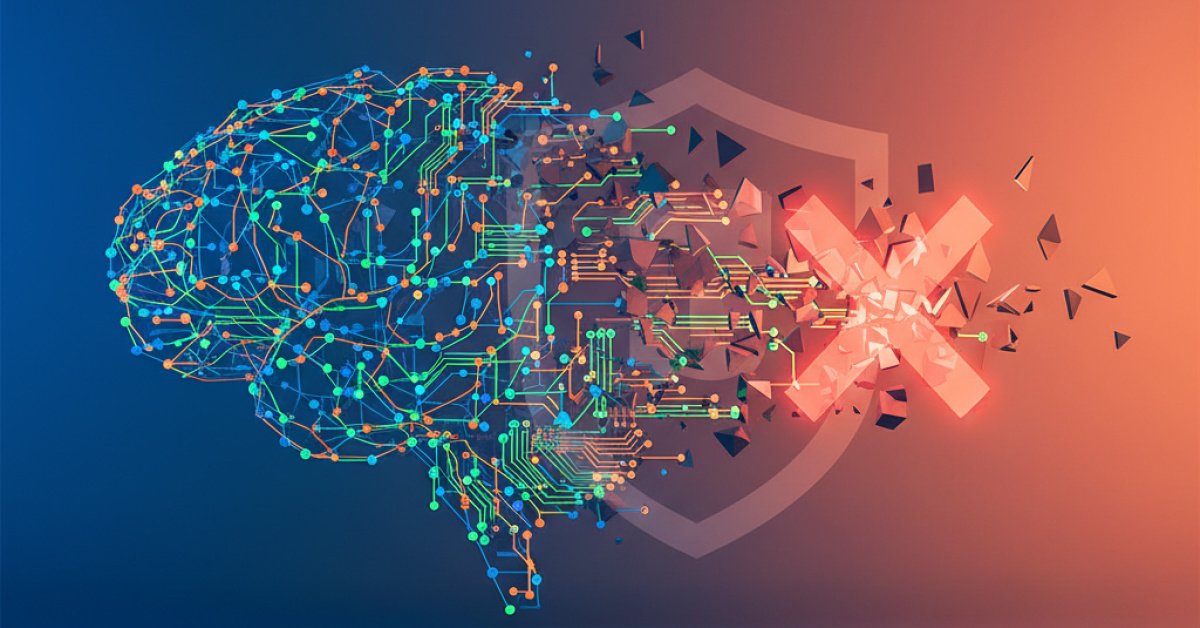
Now we get to the really big risk, especially for us in the insurance industry. AI models learn from the data we feed them. And what if that data is already biased?
Let me explain. If an organization has a history—even an unconscious one—of promoting a certain type of person or rewarding a specific communication style, the AI will learn those patterns. It will study years of past performance reviews and conclude, "Ah, I see. People who use these words and have this background get rated 'exceeds expectations.'"
The AI then starts recommending that same kind of language and rewarding those same patterns, creating a feedback loop that reinforces old biases. It could inadvertently penalize certain demographic groups, personality types, or people who simply approach their work differently.
For an industry that is (rightfully) under a microscope for fairness and equality, this is a massive red flag. The last thing any carrier or agency needs is a system that accidentally creates a pattern of discrimination. That’s an E&O claim and a PR nightmare just waiting to happen.
This is Insurance. What About the Legal and Compliance Risks?
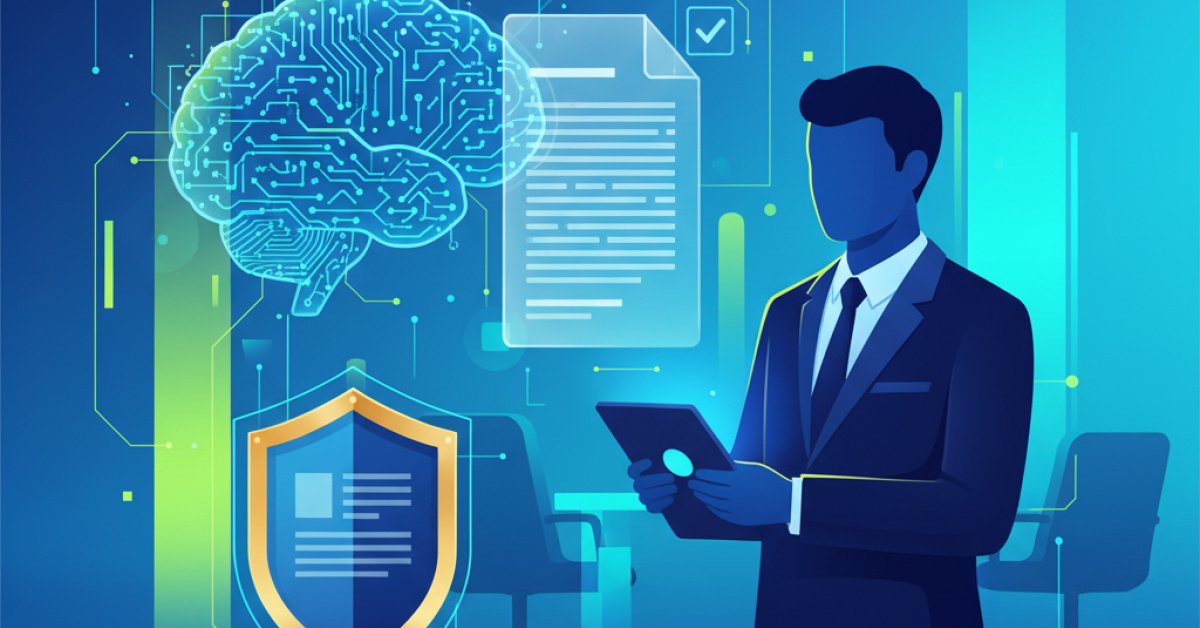
You knew we were going to get here. At the end of the day, a performance review isn't just a friendly chat; it's a legal document.
It’s the paper trail you rely on for promotions, compensation decisions, and, when necessary, terminations. If you have to let someone go for poor performance, you need a clear, consistent, and defensible record of documented feedback.
Now, imagine you’re in court trying to defend a termination. The opposing lawyer asks, "Who wrote this performance review?" And your manager has to say, "Well, a software program wrote the first draft, and I kind of edited it."
How well do you think that’s going to go over?
A generic, bot-written review that says "needs to improve communication" isn't going to cut it. You need specific, human-observed examples. You need dates, times, and the real-world business impact. Relying on an AI to create this critical documentation feels like building your house on a foundation of sand. It might look fine on the surface, but it’s not going to hold up under pressure.
So, Is This the Future or Just a Fad?
Look, I'm not saying this technology is all bad. I can see a world where AI acts as a helpful tool—maybe it pulls together key metrics or reminds a manager of a goal that was set six months ago. That could be genuinely useful.
But the final judgment, the empathy, and the understanding have to come from a human. A manager’s job isn’t just to report on the past; it’s to coach for the future. It’s to understand what makes an employee tick, what their career goals are, and how to help them get there. That’s a conversation, not an algorithm.
Ultimately, using AI for performance reviews is like using GPS to navigate a city. It can show you the fastest route based on data, but it can't tell you about the cool little coffee shop on a side street or the scenic park that's worth a detour. For that, you need a human guide. And when it comes to someone's career, we owe it to them to be that guide.