Have you noticed how artificial intelligence is quietly weaving its way into almost every corner of the insurance world? From setting your car insurance premium to processing a claim after a storm, AI is no longer a futuristic concept—it's here, right now.
And for the most part, that’s a good thing. It can make things faster, more accurate, and more personalized. But with any powerful new tool, you need a good set of rules. The big question has always been: who gets to write that rulebook?
Well, that question just got a whole lot more complicated. Last week, a White House executive order from President Trump on AI regulation landed like a rock in a calm pond, and it has state insurance legislators seriously worried. In fact, the National Council of Insurance Legislators (NCOIL) used the phrase “greatly disturbed” in a statement they put out. In the buttoned-up world of insurance regulation, that’s pretty strong language.
So, what’s really going on here? Let’s break down this brewing storm between the federal government and the states.
What’s Causing All the Fuss?
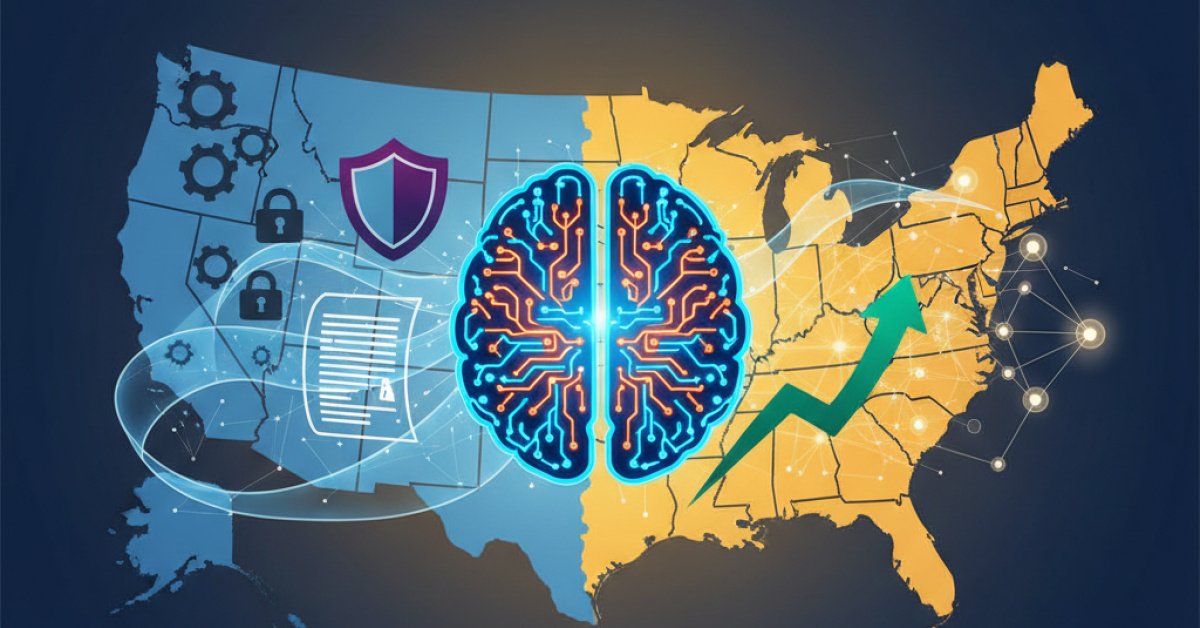
At the heart of this issue is a classic power struggle: federal oversight versus states' rights.
For over 150 years, the insurance industry has been regulated at the state level. Think about it—the risks and needs of someone living in hurricane-prone Florida are completely different from someone in rural Montana. Each state has its own insurance department, its own commissioner, and its own set of rules tailored to its unique population and geography.
This new executive order, however, is seen by many as the federal government trying to step into that role. While the order's goal is to create a unified approach to AI regulation across various industries, NCOIL sees it as a major overstep that could sideline the state-based system that has worked for decades.
In their statement on December 15th, NCOIL officers made it clear they believe this is the wrong way to go. They feel that a top-down, one-size-fits-all approach from Washington D.C. just won’t work for an industry as complex and localized as insurance.
Why State Regulators Are Digging In Their Heels
This isn't just a simple turf war. State legislators genuinely believe they are better equipped to handle the nuances of AI in insurance, and they have a few good reasons for feeling that way.
1. They're Closer to the Consumer
State regulators are on the front lines. They’re the ones who hear directly from consumers in their state who might feel an AI-driven decision was unfair or biased. They can react more quickly to local market trends and consumer protection issues than a sprawling federal agency ever could.
Imagine the federal government trying to write a single rule for how AI should underwrite homes. Would that rule account for wildfire risk in California, flood risk in Louisiana, and tornado risk in Kansas all at once? It’s a tough needle to thread, and state regulators argue it’s a job best left to them.
2. They’re Already Working On It
Here’s the thing: NCOIL and other state-level bodies aren't ignoring AI. Quite the opposite. They’ve been actively developing model laws and guidelines to help states regulate AI in a smart, consistent way. They’re trying to build a framework from the ground up, state by state, that protects consumers without stifling innovation.
From their perspective, this executive order feels like someone swooping in at the last minute to take over a project they’ve been carefully working on for years. It disrupts their progress and creates a ton of uncertainty.
What Does This Showdown Mean for the Insurance Industry?
Okay, so a bunch of regulators and politicians are arguing. Why should you, whether you’re an agent, an underwriter, or just a policyholder, actually care?
Because the outcome of this debate will shape the future of insurance products and how you interact with them.
If the federal government takes the lead, we might see more standardized rules across the country. That could simplify things for large, national carriers, but it might also lead to blunter, less nuanced regulations that don't fit local markets well.
On the other hand, if the states maintain control, we’ll likely see a patchwork of different regulations. This allows for tailored rules but could create a compliance headache for insurers operating in multiple states. It could also mean that consumer protections related to AI might be stronger in some states than in others.
Right now, we're in a state of limbo. This executive order has fired the starting pistol on a long race to determine who will be the primary referee for AI in our industry. It's a fundamental question about control, and you can be sure that state legislators, who have held that power for more than a century, aren't going to give it up without a fight. This is definitely a story to watch.