Let’s be honest, if you’ve been in the insurance world for more than a week, you know the words “back injury” are enough to make you wince. They’re the ghost story we tell around the water cooler. These claims are incredibly common, ridiculously expensive, and can drag on for years, impacting everything from an employee’s quality of life to a company’s bottom line.
We’ve tried everything, right? Better lifting techniques, ergonomic assessments, pre-shift stretching routines. And while all that helps, the numbers for sprains and strains have always been stubbornly high. It’s one of the biggest headaches in workers’ compensation.
But what if we’re on the verge of a major breakthrough? I just came across some research that made me sit up and pay attention. A new exoskeleton system, initially developed by researchers at Vanderbilt University, was studied for months. The result? It slashed strain, sprain, and lifting injuries by an incredible 62%.
Yeah, you read that right. 62 percent. That’s a number that could genuinely change the game.
So, What Exactly Is This Thing?
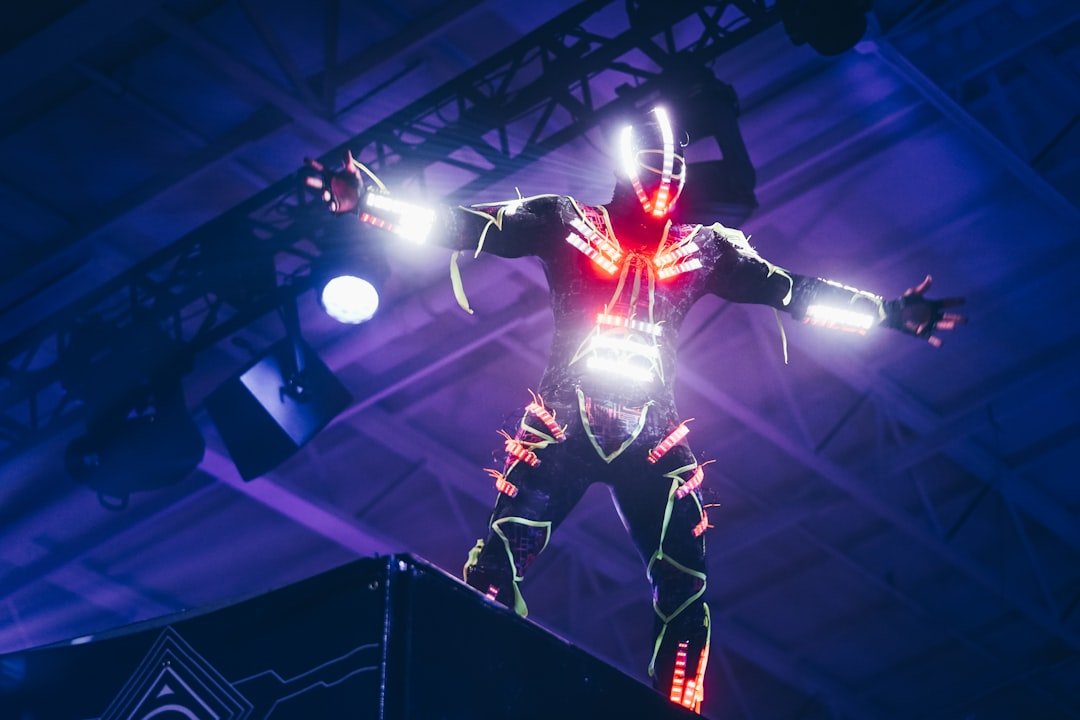
When you hear "exoskeleton," your mind probably jumps to something from an Iron Man or Aliens movie—a big, clunky, robotic suit that gives you super strength. I know mine did.
But that’s not really what we’re talking about here. The company that spun out of the university research, HeroWear, has created something much more practical. Think of it less like a robot suit and more like a super-smart, high-tech back brace that you wear over your clothes.
It’s lightweight and doesn’t use any motors or batteries. Instead, it uses a clever system of elastic bands. When you bend over to pick something up, the device engages and takes a significant portion of the strain off your back muscles and spine. It’s like having a helper who’s always there to assist with the lift, reducing the peak force on your body by 50 pounds or more.
The goal isn't to help someone lift a car. The goal is to make lifting a 40-pound box feel a lot less strenuous, protecting the worker from fatigue and injury over the course of a long day. It’s about assistance and endurance, not superhuman strength.
A 62% Drop in Injuries Is No Small Thing
Now, let’s get back to that number, because it’s the real headline here. A 62% reduction in some of the most common and nagging workplace injuries is massive.
Imagine a warehouse, a construction site, or even a hospital where nurses are constantly lifting patients. These are environments where back injuries are, unfortunately, just seen as part of the job. But what if they didn't have to be?
For a business owner or a safety manager, this is huge. A single serious back injury can easily spiral into a six-figure workers' comp claim when you factor in:
- Medical treatments (doctor visits, physical therapy, maybe even surgery)
- Lost wages for the employee while they recover
- The cost of hiring and training a temporary replacement
- A potential spike in your insurance premiums for years to come
A tool that can prevent six out of every ten of those injuries isn't just a piece of safety equipment; it's a powerful financial tool. It’s about moving from a reactive approach (dealing with injuries after they happen) to a truly proactive one (preventing them from ever occurring).
Why This Is a Big Deal for Workers' Comp
From an insurance perspective, this is fascinating. Musculoskeletal disorders—things like sprains, strains, and back pain—are consistently the top driver of workers' compensation costs. They account for a massive slice of the claim frequency and an even bigger slice of the total cost.
Anything that can put a serious dent in those numbers is worth paying attention to. We’re talking about a potential shift in how we underwrite risk for certain industries.
Think about it. If a company invests in outfitting its logistics team with these exoskeletons, they are fundamentally lowering their risk profile. They are actively reducing the likelihood of their most common and costly type of claim. Over time, that should absolutely be reflected in their Experience Modification Rate (EMR) and, ultimately, their insurance premiums.
This could become a new standard for best-in-class safety programs, right up there with fall protection harnesses and hard hats.
Is This the Future of Workplace Safety?
Of course, it’s not a magic wand. There will be challenges. The initial cost of the devices is a factor, and companies will need to make a solid business case for the investment. There’s also the human element—getting employees to actually wear them and use them correctly every day.
But the potential return on that investment is staring us right in the face. It’s not just about the direct savings on insurance claims. It’s about the indirect benefits, too.
A healthier workforce is a more productive workforce. When employees aren't dealing with chronic back pain, they have better morale, they miss fewer days of work, and they’re more likely to stay with the company long-term. In a tight labor market, keeping your experienced, skilled workers safe and on the job is a huge competitive advantage.
For years, we've focused on training people to lift with their legs, not their backs. And now, we might just have a tool that helps do it for them. It’s still early days, but technology like this from HeroWear feels like a genuine step forward. It’s one of the most promising developments I’ve seen in the world of workplace safety and risk management in a long, long time.