Have you ever daydreamed about hitting the open road in a beautiful RV? Or maybe spending weekends on the lake in a brand-new boat? For a lot of us, that’s the dream.
Now, imagine you finally find the perfect one online. The price is great, the pictures are stunning, and the seller seems legit. You hand over your hard-earned cash, get the keys and a title, and you’re on your way. But a few months later, there’s a knock on your door. It’s the police, and they’re here to tell you that your dream RV was stolen. The title was a fake, and you’re out of both your money and your vehicle.
It sounds like a nightmare, but this exact scenario is what a sophisticated fraud ring was doing to people across multiple states. And the story behind it is a wild ride that, believe it or not, has a direct impact on the insurance premiums we all pay.
A High-Tech Heist Gets Shut Down
Let’s talk about the man at the center of this, Christopher Don Byerley, a 45-year-old from Broussard, Louisiana. He wasn’t just a small-time car thief. He was part of a slick operation that was stealing high-end vehicles—we’re talking expensive RVs, boats, trailers, and ATVs.
This month, a federal judge sentenced Byerley to 115 months in prison. That’s nearly ten years. And trust me, you don’t get a sentence like that for a simple joyride. This was a serious, organized criminal enterprise.
So, how did they pull it off? It’s actually pretty clever, in a devious sort of way.
The Art of "Title Washing"
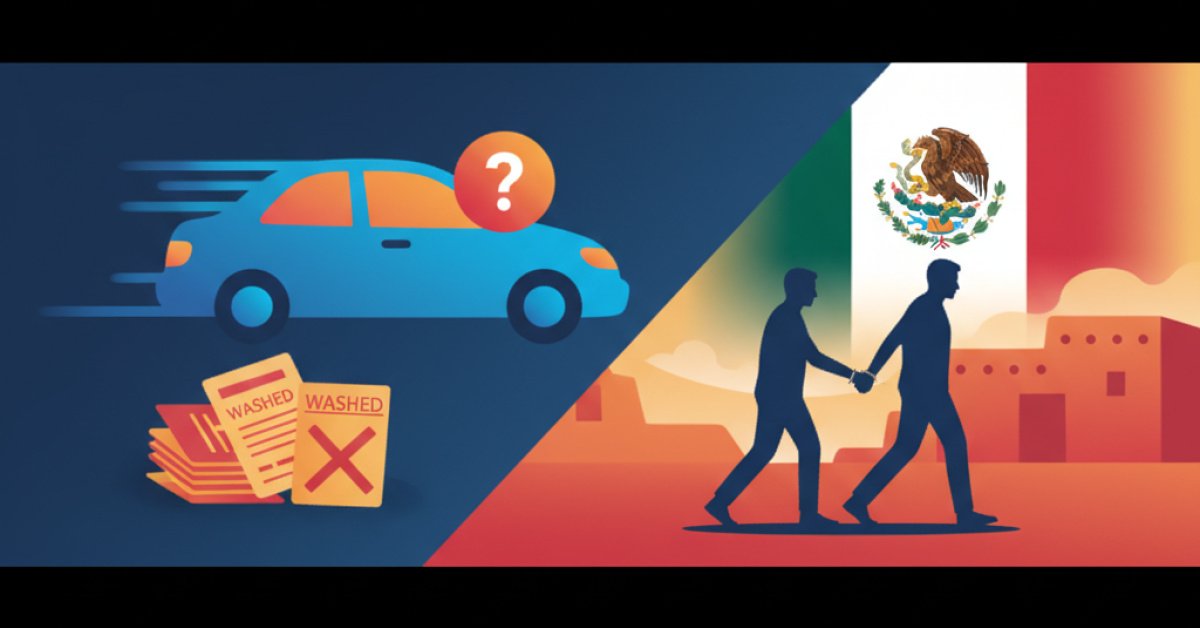
The key to their whole scheme was something called “title washing.” Think of it like money laundering, but for vehicles. When a car is stolen, it has a vehicle identification number (VIN) that’s basically its fingerprint. That VIN is flagged in national databases, making the car impossible to register or sell legally.
Byerley and his crew found a way around this. Here’s a breakdown of their playbook:
- The Theft: First, they’d steal the vehicle. These weren’t random smash-and-grabs; they targeted valuable recreational vehicles.
- The Forgery: Next, they would create a whole set of fake documents. We’re talking fraudulent titles, bills of sale, and lien releases that looked incredibly real. They’d often use fake identities to make it all seem above board.
- The "Wash": This is the crucial step. They would take these fake documents to a DMV in a different state—in this case, the Louisiana Office of Motor Vehicles was one they used—and apply for a new, clean title. Because the paperwork looked legit and the vehicle was supposedly from out-of-state, the system would issue a brand new, seemingly legitimate title. The "stolen" flag was effectively washed away.
- The Sale: With a clean title in hand, they could now sell the stolen vehicle to anyone. The buyer, seeing a legitimate-looking title, would have no idea they were buying stolen property.
They turned stolen goods into clean cash, leaving a trail of victims in their wake. And that’s where the insurance connection comes in.
Why This Isn't a Victimless Crime
It’s easy to read a story like this and think, “Well, that’s a problem for the person who got their RV stolen.” But the ripple effects are much, much bigger. In fact, this kind of fraud hits every single person with an insurance policy.
Here’s how it works.
When that expensive RV is first stolen, the original owner files a claim with their insurance company. Let’s say the RV was worth $150,000. The insurance company investigates, confirms the theft, and cuts a check to the policyholder for the loss.
That’s a $150,000 loss the insurance company has to absorb. Now, multiply that by all the vehicles this ring and others like it are stealing across the country. We’re talking about millions and millions of dollars in losses for insurers every single year.
So, where do you think that money comes from?
Insurance is basically a giant shared pool of money. We all pay our premiums into the pot, and the insurance company uses that money to pay out claims. When criminals cause massive losses by stealing vehicles, it drains the pot. To keep the pool full enough to cover future claims (and stay in business), insurance companies have to raise their rates.
It’s not personal; it’s just math. The more money they have to pay out for theft and fraud, the more they have to charge everyone else to make up for it. So, a crime that happens in Louisiana or Texas can literally make your auto insurance bill in Ohio go up. We all end up paying for Mr. Byerley’s crimes through slightly higher premiums.
And let's not forget the other victims—the innocent people who bought the stolen vehicles. They lose every penny they paid and have nothing to show for it. It's a devastating financial blow.
The Takeaway for All of Us
The good news is that these criminals do get caught. The long prison sentence for Byerley sends a strong message that law enforcement and the courts take this type of fraud very seriously. It was a complex, multi-state investigation, and their hard work paid off.
For you, the biggest lesson here is to be incredibly careful when buying a used vehicle, especially a high-value one from a private seller. If a deal seems too good to be true, it probably is. Always run a vehicle history report using the VIN, and be skeptical if the seller is cagey about the vehicle’s past or the paperwork looks even slightly off.
Ultimately, stories like this are a powerful reminder that insurance fraud isn't some abstract corporate problem. It’s a real crime with real victims, and it creates hidden costs that we all share. Fighting it isn't just about protecting big companies; it's about protecting our own wallets.