Ever bought a used car? If you have, you know that little voice in the back of your head. The one that whispers, "Is this car really as good as it looks? What if it has a secret, expensive problem?" It’s a totally normal fear. We’ve all been there.
Well, a recent story coming out of Pennsylvania is basically that fear brought to life on a massive scale. It’s a wild tale involving a million-dollar criminal operation, a fugitive on the run, and an arrest in Mexico.
But at its heart, this is a story about a specific type of fraud that can affect any of us who drive: vehicle title washing. So let's pull back the curtain on this story and figure out what exactly happened and, more importantly, why it matters to you.
So, What’s the Story Here?
Alright, let's get into the details. The Pennsylvania Attorney General’s office announced that they finally caught up with a man named Anthony E. Troncoso. According to officials, he wasn't just some small-time crook; they believe he was the ringleader of a huge criminal enterprise centered around, you guessed it, vehicle title washing.
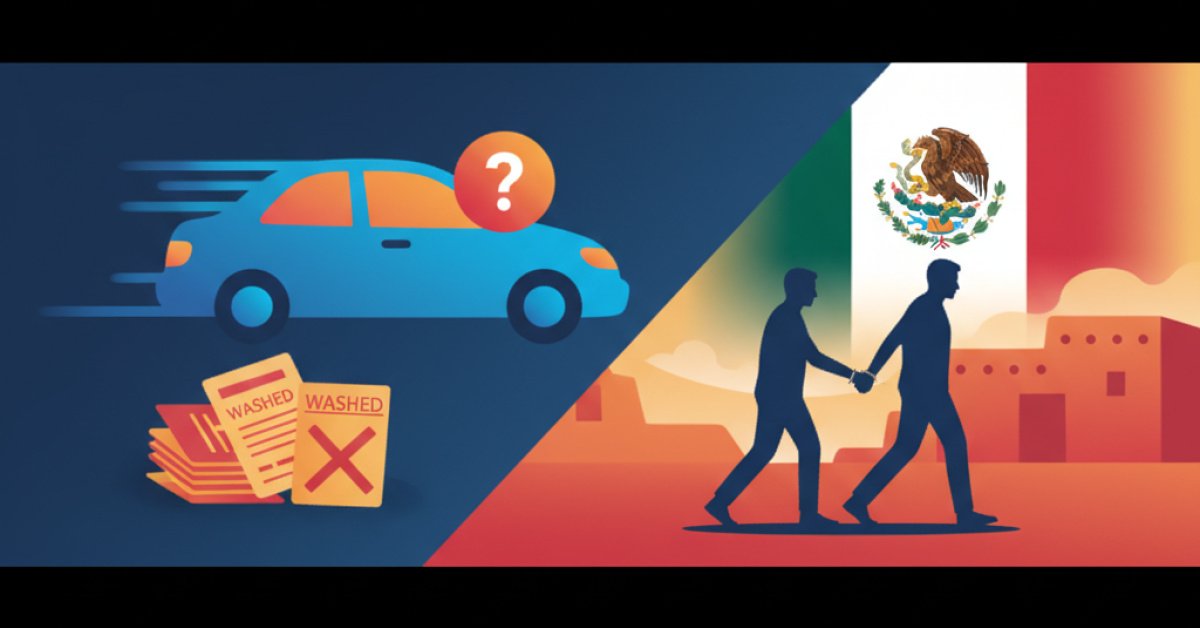
After charges were filed against him back in August, Troncoso apparently decided to make a run for it. He was a fugitive for three months before law enforcement tracked him down and arrested him in Mexico.
Think about that for a second. This wasn't just some minor paperwork issue. We're talking about an operation so significant that it was allegedly worth over a million dollars and ended with an international manhunt. It really puts into perspective how serious this kind of fraud is.
Let's Talk About "Title Washing"—What Is It, Anyway?
This is the part that sounds a little technical, but I promise it's pretty simple once you break it down.
Imagine a car gets into a terrible accident or is submerged in a flood. The insurance company looks at the damage and declares it a "total loss." The car is now legally designated as "salvage" or "rebuilt." This brand is slapped right onto the vehicle's title, kind of like a permanent black mark on its record. It’s a warning sign to any future buyer that this car has been through some serious trauma.
Now, here’s where the scam comes in. "Title washing" is the illegal process of erasing that brand from the title.
Think of it like laundering money, but for a car's history. A scammer will take a salvaged car, maybe do some cheap, cosmetic repairs to make it look decent, and then move it to a different state—one with notoriously loose rules for vehicle titles. They'll apply for a new title and conveniently "forget" to mention its salvage history.
If they get lucky, the new state issues a fresh, "clean" title. Just like that, the car’s dark past is wiped away. It now looks like a perfectly normal, problem-free used car on paper.
Why This Is a Nightmare for Everyone
This isn't a victimless crime. It creates a ripple effect of problems for unsuspecting car buyers and the entire insurance industry.
For the Unsuspecting Buyer
This is the most obvious and heartbreaking part of the scam. You think you're getting a great deal on a reliable car. You check the title, and it looks clean. But what you’ve actually bought is a ticking time bomb.
A washed title can hide all sorts of horrors:
- Structural Damage: The car's frame could be bent from a major wreck, making it incredibly unsafe in another crash.
- Hidden Flood Damage: Water can get into every nook and cranny, causing mold to grow and corroding the car's electrical system from the inside out. One day, your airbags might not deploy, or your engine could just die on the highway.
- "Frankenstein" Cars: Some of these vehicles are literally pieced together from multiple wrecked cars.
You end up with a dangerous vehicle that’s worth a fraction of what you paid. And when it inevitably breaks down, you’re left with a worthless piece of metal and a mountain of debt.
For Insurance Companies (And the Rest of Us)
You might be thinking, "Okay, that's rough for the buyer, but how does it affect me?" Well, this is where it hits all of us in the wallet.
Insurance companies get tricked, too. They write policies for these "zombie cars" based on their clean titles, insuring them for a much higher value than they're actually worth. When one of these structurally compromised cars gets into an accident, it often falls apart, leading to a massive insurance claim.
When insurance companies have to pay out more money to cover fraud like this, they don't just absorb the cost. They spread it out across all their customers. That means our premiums go up to cover the losses. So, in a very real way, we all end up paying for Anthony Troncoso's alleged scheme.
This arrest is a big win, not just for law enforcement, but for every honest driver and policyholder. It’s a stark reminder that what happens in the shady corners of the auto world can have a real impact on all of us. And it’s why, when you’re buying a used car, getting a vehicle history report and an inspection from a mechanic you trust isn't just a good idea—it's your best defense.