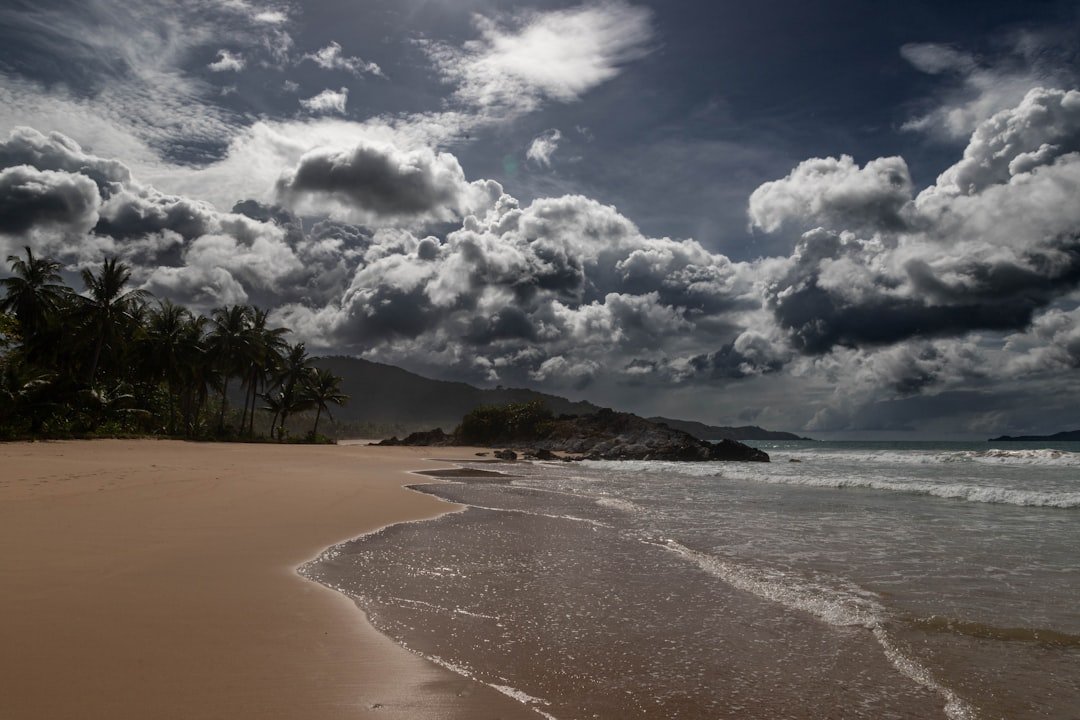
It’s been a while since Hurricane Ike roared ashore back in 2008. If you weren’t there, the memory of what happened on places like Goat Island has probably faded, washed away by nearly two decades of other headlines. What people who lived through it remember are the mountains of debris—boats, cars, and entire homes piled up like toys.
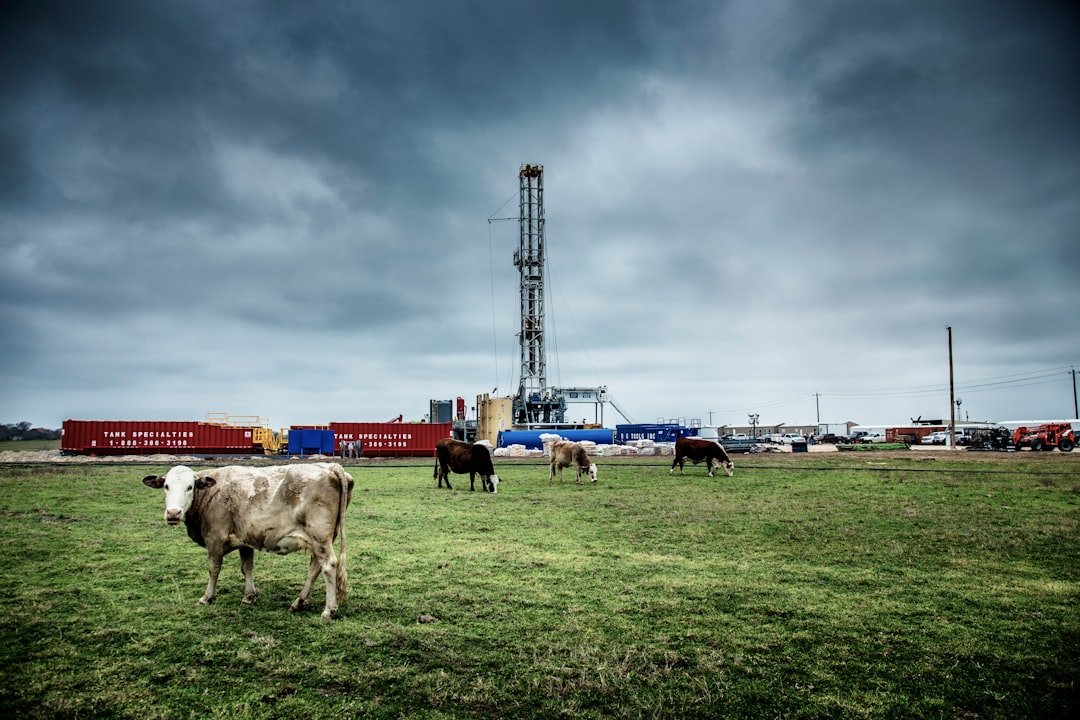
But for those of us in the insurance world, there's another image that sticks: the sheer, terrifying vulnerability of the Texas coastline. And sitting right in the crosshairs is one of the biggest concentrations of industrial risk on the planet: the Texas petrochemical corridor.
We’re talking about a massive network of refineries and chemical plants that are the backbone of the U.S. economy. But they're also sitting ducks for the bigger, wetter, and more powerful storms that are becoming the new normal. It keeps a lot of underwriters up at night, and honestly, it should probably be on your radar, too.
Have We Forgotten the Lessons of Past Storms?
It’s easy to get complacent. A few quiet hurricane seasons go by, and we start to think we’ve got it all figured out. But nature has a funny way of reminding us who’s in charge.
Think back to Hurricane Harvey in 2017. That storm wasn't about wind; it was about water. Biblical amounts of rain fell, flooding areas that had never seen water before. The images of floating chemical tanks and plants shutting down were a stark wake-up call. We saw firsthand how a single, slow-moving storm could knock a critical part of our national infrastructure offline for weeks, causing gas prices to spike and supply chains to snarl.
And Ike, back in '08, was a storm surge monster. It pushed a wall of water deep into the Houston Ship Channel. The only thing that saved many of those facilities from a catastrophic hit was a last-minute wobble in the storm's track. A few miles difference, and we would have been talking about an environmental and economic disaster of epic proportions.
The scary part? We’ve been lucky. The "big one" that risk modelers talk about—a direct hit from a Category 4 or 5 storm on the most densely packed part of the ship channel—hasn't happened yet. But luck isn't a strategy.
So, What’s the Real Problem Now?
Here’s the thing: the goalposts have moved. The storms we’re planning for today aren't the storms these plants were designed to withstand decades ago.
Climate scientists and engineers agree on a few key points:
- Storms are stronger: Warmer ocean waters act like fuel, intensifying hurricanes more rapidly. A storm can go from a Category 1 to a Category 4 in the blink of an eye.
- They’re wetter: A warmer atmosphere holds more moisture, which means a lot more rain. Harvey was the poster child for this.
- Sea levels are rising: This gives storm surge a higher launching pad, pushing water further inland than ever before. A 15-foot surge in 1980 is a lot more dangerous than a 15-foot surge today.
Many of these petrochemical facilities are old. They were built when the definition of a "100-year storm" was very different. Critical equipment often sits just a few feet above sea level, making it incredibly vulnerable to flooding. We’re talking about control rooms, electrical substations, and cooling systems—the very things you need to safely shut down a plant in an emergency.
When that equipment floods, you don't just have a business interruption claim. You have the potential for uncontrolled chemical releases, fires, and explosions. It’s a cascading failure scenario that gives regulators and insurers nightmares.
The Billion-Dollar Question: Can This Even Be Insured?
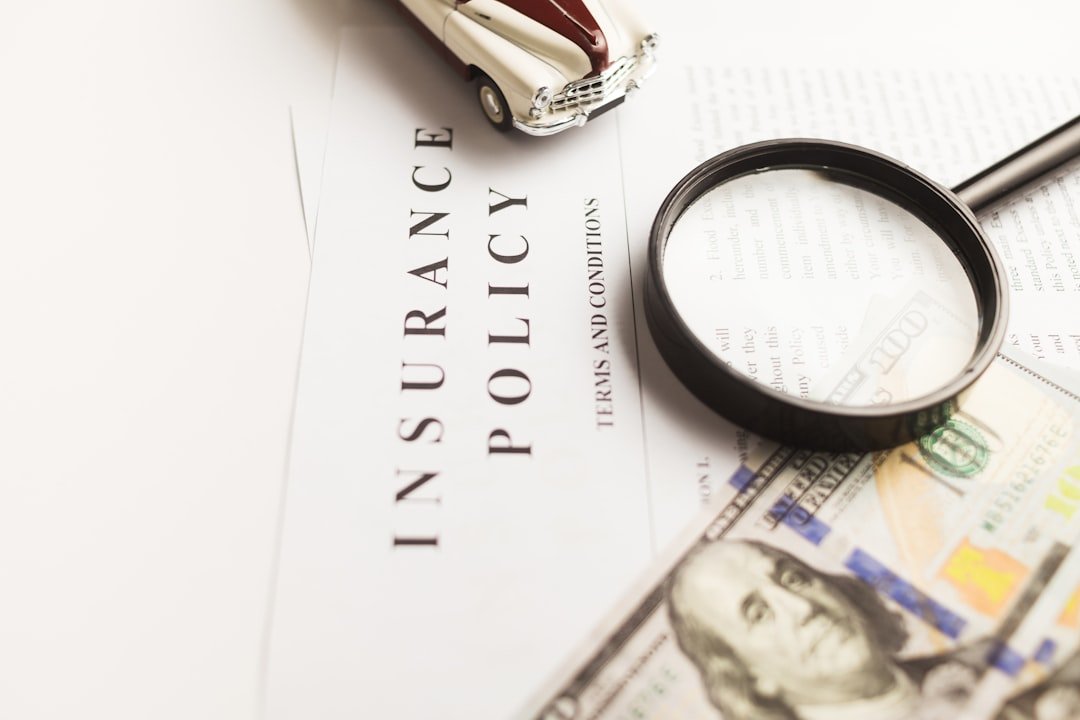
This is where it gets really complicated for the insurance industry. How do you price risk that seems to be growing exponentially?
For years, insurers have relied on historical models to predict future losses. But when the climate is changing, the past is no longer a reliable guide to the future. The models are struggling to keep up.
What we’re seeing is a classic hard market, but on steroids.
- Premiums are skyrocketing: It’s simple supply and demand. The risk is going up, and the number of insurers willing to take on that risk is going down. That means the ones who remain can charge a whole lot more.
- Deductibles are massive: We’re not talking about a few thousand dollars. For major industrial sites, deductibles for a named storm can be in the tens or even hundreds of millions of dollars.
- Coverage is shrinking: Insurers are getting very specific about what they will and won’t cover. Flood coverage, in particular, is becoming incredibly difficult and expensive to secure. Some carriers are just walking away from coastal properties altogether.
It’s creating a massive headache for the risk managers at these petrochemical companies. They need insurance to operate—their lenders and investors demand it. But they’re facing a market where the cost is becoming prohibitive and the terms are getting tougher every year. It’s a high-stakes game of chicken, and it’s not clear who will blink first.
What Happens When the Next 'Big One' Hits?
Let’s be honest. It’s not a matter of if, but when. So what can be done? The answer isn't simple, and it's definitely not cheap.
Companies are being forced to invest heavily in what we call "hardening" their assets. This isn't just about boarding up windows. We're talking about massive engineering projects:
- Building higher and stronger seawalls and levees.
- Elevating critical electrical and control equipment above projected flood levels.
- Investing in backup power systems that are protected from storm surge.
- Strengthening storage tanks to withstand higher wind speeds and impacts from floating debris.
The problem is, this all costs a staggering amount of money. For a single facility, we could be talking about hundreds of millions of dollars in upgrades. Now multiply that by the dozens of plants along the Texas coast.
This is where the insurance industry has a crucial role to play, not just as a financial backstop, but as a driver of resilience. Insurers can and should be incentivizing these upgrades. If a company invests in raising its critical equipment by 10 feet, that should be reflected in its premium. Better risk management should be rewarded with better coverage terms.
Ultimately, this is a shared problem. It involves the companies that own the plants, the insurers who cover them, the engineers who design the solutions, and the government agencies that set the regulations. We can’t just cross our fingers and hope for the best. The stakes—for our economy, our environment, and the people who live and work on the Gulf Coast—are simply too high.