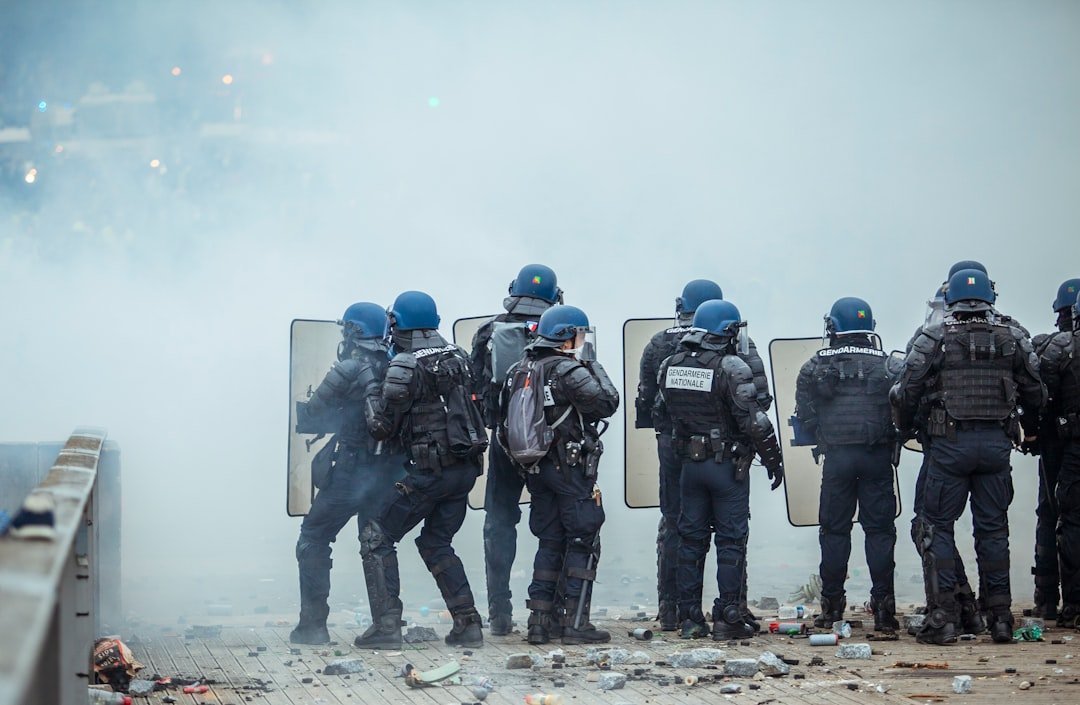
It’s funny how something happening thousands of miles away can feel so distant, until suddenly it isn’t. You see a headline about fighting near the Strait of Hormuz, and you might think, "That's a world away." But then you see the price at the gas pump jump, or a client calls in a panic because their supply chain just ground to a halt.
That’s what we’re seeing right now. The conflict in Iran is doing more than just creating geopolitical chaos; it’s putting a giant, flashing spotlight on a risk we in the insurance industry have been talking about for years: our world’s deep, and frankly, dangerous, reliance on fossil fuels.
This isn't just a news story for us. It's a live-action risk event, a case study unfolding in real-time. And I believe it’s a massive wake-up call that should be echoing through every underwriting department and boardroom in our industry.
The Ripple Effect of One Troubled Waterway
So, what’s the big deal with the Strait of Hormuz?
Think of it like the single main artery into a major city’s heart. Nearly a fifth of the world’s oil passes through this tiny, narrow waterway. When that artery gets clogged—or in this case, becomes a conflict zone—the entire system starts to seize up.
Exports stop. Tankers are stranded. The flow of energy that powers everything from manufacturing plants in the Midwest to shipping fleets in the Pacific is suddenly choked off.
For us, this isn't an abstract economic problem. It’s a multi-headed monster of insurance claims waiting to happen. We're talking about:
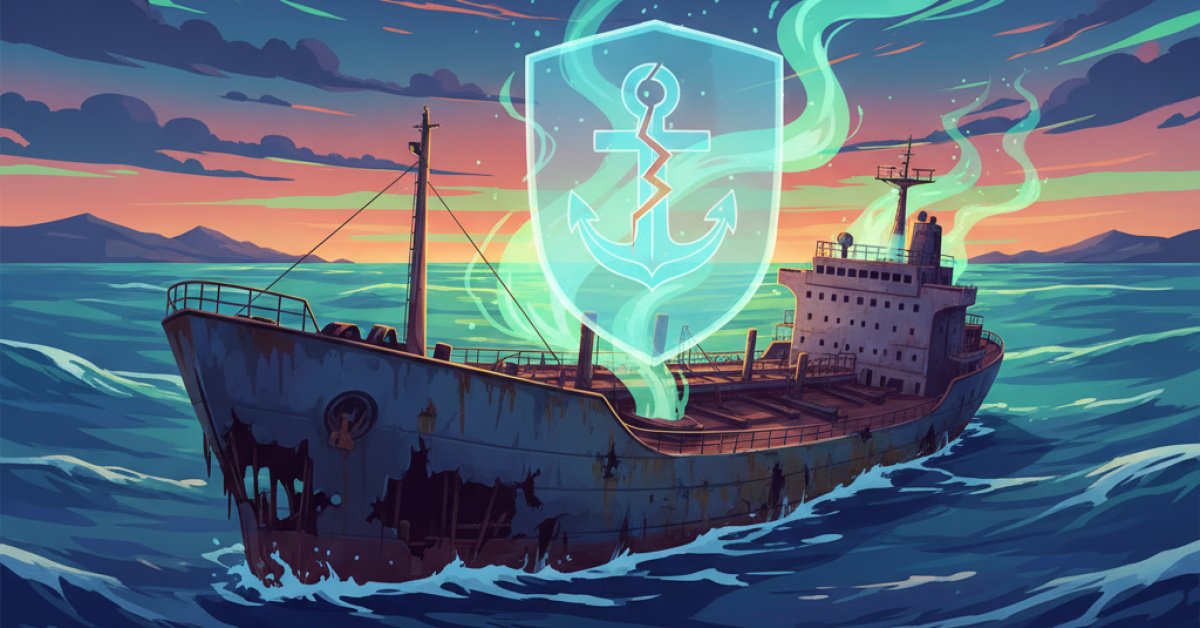
- Marine & Cargo Insurance: Suddenly, every tanker in the region is a massive liability. War risk premiums go through the roof. Clients are facing incredible risks to their vessels and the millions of dollars of oil inside them. It’s a logistical and financial nightmare.
- Business Interruption: That factory in Ohio? It might run on electricity, but the plastic pellets it uses to make its products are derived from petroleum. If their supplier can’t get the raw materials because of this disruption, the assembly line stops. That’s a potential business interruption claim, and it’s happening thousands of miles from the actual conflict.
- Political Risk Insurance: This is the kind of scenario that political risk policies were literally made for. Companies with assets or operations in the region are looking at everything from expropriation to political violence. Demand for this kind of coverage is likely exploding.
The point is, the fallout from a single chokepoint like this spreads like a shockwave. It shows just how fragile the whole fossil fuel system really is.
The Real Risk We've Been Underwriting All Along
Here’s the thing. We’re experts at pricing risk. We model hurricanes, we calculate the odds of a fire, we underwrite against cyberattacks. But for too long, the inherent geopolitical risk of fossil fuels has been treated as a background hum—a cost of doing business.
This crisis is turning that hum into a deafening alarm.
The price of oil isn’t just based on supply and demand; it’s based on the stability of some of the most unstable places in the world. A single political event can send prices skyrocketing, creating economic chaos that impacts nearly every industry we insure.
When you step back, it’s a pretty wild proposition. We’ve built our global economy, and our insurance models, on a foundation that can be shaken by a single regional conflict.
Is This the Tipping Point for Renewables?
And this is where the conversation gets really interesting for us. For years, the push for renewable energy—solar, wind, hydro—has been framed primarily as an environmental issue. But what if we’ve been looking at it through the wrong lens?
What this crisis makes painfully clear is that the transition to renewable energy isn't just about climate change. It’s one of the most powerful risk mitigation strategies of the 21st century.
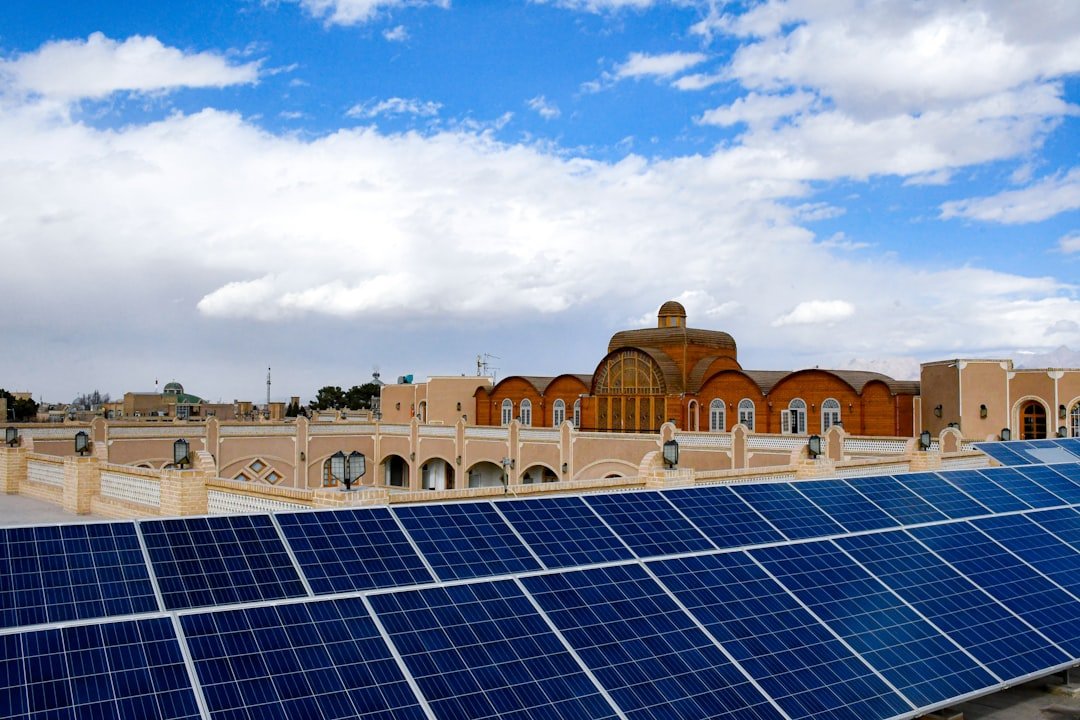
Think about it. A solar farm in Arizona isn’t vulnerable to a blockade in the Middle East. A wind turbine field in the North Sea doesn’t care about political instability in an oil-producing nation.
The "fuel" for renewables is local and virtually infinite. Sunlight and wind can't be embargoed. This creates a level of stability and predictability that fossil fuels simply can’t offer. It’s the difference between investing in a volatile stock that swings wildly with every news alert versus a steady, reliable bond. From a pure risk management perspective, renewables are starting to look like the safest bet on the board.
Our Role in a More Insurable Future
So, what does this mean for you and me, for our industry? It means we have a huge opportunity—and I’d argue, a responsibility—to be at the forefront of this shift.
We’re not just spectators here; we are critical enablers of this transition.
Underwriting the Future
The renewable energy sector is booming, but it comes with its own unique set of risks. Complex construction projects for offshore wind farms, performance guarantees for new solar technologies, liability for massive battery storage facilities—these are the new frontiers of underwriting. It’s a chance for us to innovate and develop the products that will power the next generation of energy.
De-Risking the Transition
Big renewable projects require massive upfront investment. Investors and banks get nervous. But you know what calms those nerves? A solid insurance policy. By offering things like construction all-risk, operational policies, and even weather derivatives, we provide the financial security needed to get these projects off the ground. We are the ones who can make a billion-dollar green energy project a safe, bankable investment.
Shifting Our Own Portfolios
We also have to look in the mirror. As an industry, we are one of the world’s largest institutional investors. Where we put our own capital sends a powerful message. Divesting from the volatile and risk-laden fossil fuel projects and reinvesting in the stability of green infrastructure isn’t just good PR; it’s just good, long-term risk management for our own balance sheets.
This situation in Iran is a tough reminder of the world we live in. It’s creating real-world problems for people and businesses right now. But if we’re smart, we’ll see it for what it is: a glimpse into a future we can avoid. It's a chance to stop insuring the risks of the past and start enabling the stability of the future. It’s a massive challenge, no doubt, but it's also where our industry can truly shine.