Have you ever had that feeling of déjà vu? That sense that you’ve seen this movie before?
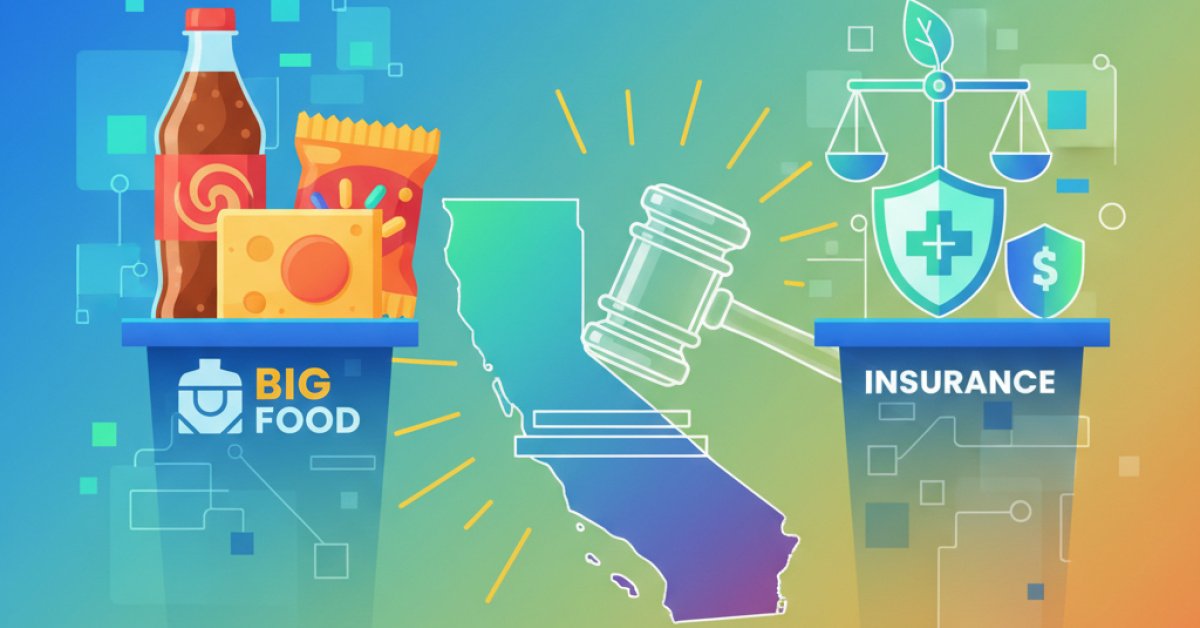
That’s exactly what I felt when I saw the news that San Francisco is suing some of the biggest names in the food industry—we're talking Kraft, Coca-Cola, Mondelez, and others. The city’s attorney, David Chiu, filed a lawsuit arguing that these companies knowingly sold "ultra-processed foods" that are addictive and harmful, contributing to a massive public health crisis.
If that sounds familiar, it should. It’s the same playbook used against Big Tobacco in the 90s and, more recently, the opioid manufacturers. And let me tell you, when a lawsuit starts to echo those historic cases, anyone in the insurance world sits up and pays very close attention. This isn't just about snacks and sodas; it's about a potential tidal wave of liability that could reshape risk for years to come.
So, What's This Lawsuit Actually About?
At its core, the lawsuit is pretty straightforward. San Francisco is accusing these food giants of deception. They claim the companies knew their products—loaded with sugars, fats, and chemical additives—were engineered to be addictive and were contributing to serious health problems like diabetes and heart disease.
The city argues that these companies spent millions on marketing to convince the public, especially children, that these products were fine, all while a health crisis was brewing.
Think of it this way: the argument isn't just that a cookie is unhealthy. We all know that. The argument is that the company knew its specific formulation was creating a dependency and causing widespread harm, and then actively misled people about it. That's a huge distinction, and it's the key to understanding why this is such a big deal.
The Tobacco and Opioid Playbook: A Ghost of Lawsuits Past
For insurers, this whole situation is flashing big, bright warning signs. Why? Because we’ve seen how this story ends, and it usually involves billions of dollars in settlements and a complete upheaval of an industry.
Let's take a quick trip back in time:
- Big Tobacco: For decades, tobacco companies insisted their products were safe. But then, internal documents came out showing they knew just how addictive and deadly nicotine was. The lawsuits that followed argued they engaged in a massive cover-up. The result? A $206 billion settlement in 1998, and that was just the beginning.
- Opioid Makers: More recently, companies like Purdue Pharma were accused of aggressively marketing powerful opioids while downplaying their addictive nature. They were found liable for fueling a nationwide crisis, leading to bankruptcies and multi-billion dollar settlements to help communities recover.
See the pattern? In each case, the legal argument centered on a company's knowledge of the harm its product caused versus what it told the public. San Francisco is betting it can prove the same is true for ultra-processed foods.
The Insurance Ripple Effect: Where This Gets Expensive
Okay, so a city is suing a few food companies. Why should we, in the insurance world, care so much? Because when claims of this magnitude start flying, they don't just hit one company's bank account. They ripple through the entire insurance ecosystem.
Let's break down where the impact could be felt.
General & Product Liability
This is the front line. General Liability and Product Liability policies are designed to cover a company if its products cause "bodily injury." If the courts agree that these foods caused widespread diabetes, obesity, and heart disease, you're looking at a bodily injury claim on a scale that is almost unimaginable.
Insurers who wrote policies for these companies could be on the hook for billions in legal defense costs and potential settlement payouts. You can bet that underwriters are already digging through old policies to see what kind of language, limits, and exclusions are in place.
Health Insurance and Public Health
This is the other side of the coin. Who's been paying for the explosion in diet-related diseases for the last few decades? For the most part, it's been health insurers, Medicare, and Medicaid.
This lawsuit is essentially an attempt to shift that financial burden. San Francisco is saying, "Hey, you created the problem, you should have to pay to fix it." If this legal strategy succeeds, it could set a precedent for other cities and states to do the same. For health insurers, this could eventually mean lower costs if the manufacturers are forced to foot the bill. But in the short term, it just highlights the massive cost of these chronic diseases that the system is already struggling to handle.
Directors & Officers (D&O) Insurance
Here’s where it gets personal for the folks in the boardroom. D&O insurance is there to protect a company's executives and board members from lawsuits alleging wrongful acts or mismanagement.
If it comes out that executives knew their products were harmful and deliberately hid the facts or approved deceptive marketing campaigns, they could be sued personally by shareholders for damaging the company's reputation and value. A massive public health scandal is exactly the kind of thing that triggers D&O claims, potentially pushing those policies to their limits.
What Are Insurers Thinking Right Now?
If you're an underwriter looking at a large food and beverage company today, your job just got a lot harder. You're no longer just assessing the risk of a factory fire or a product recall. You're now trying to price the risk of a multi-billion dollar public health lawsuit.
We’re likely to see a few things happen:
- More Scrutiny: Underwriters will be asking a lot more questions about a company's marketing, internal research, and product formulations.
- New Exclusions: Don't be surprised if, in the coming years, liability policies start to include specific exclusions for claims related to "long-term health effects of ultra-processed foods," much like we have for asbestos or pollution.
- Higher Premiums: For companies in this sector, the cost of liability and D&O insurance is almost certain to go up. The risk is simply higher now than it was a month ago.
Of course, this lawsuit is just the opening shot, and it faces a tough road. Proving that a specific bag of chips caused a specific person's health problems is infinitely more complex than linking smoking to lung cancer. But the door has been opened.
So, while the headlines are about Kraft and Coca-Cola, the real story for our industry is about risk, liability, and who ultimately pays the price for our modern diet. This case, win or lose, will be a fascinating, and potentially very costly, one to watch.