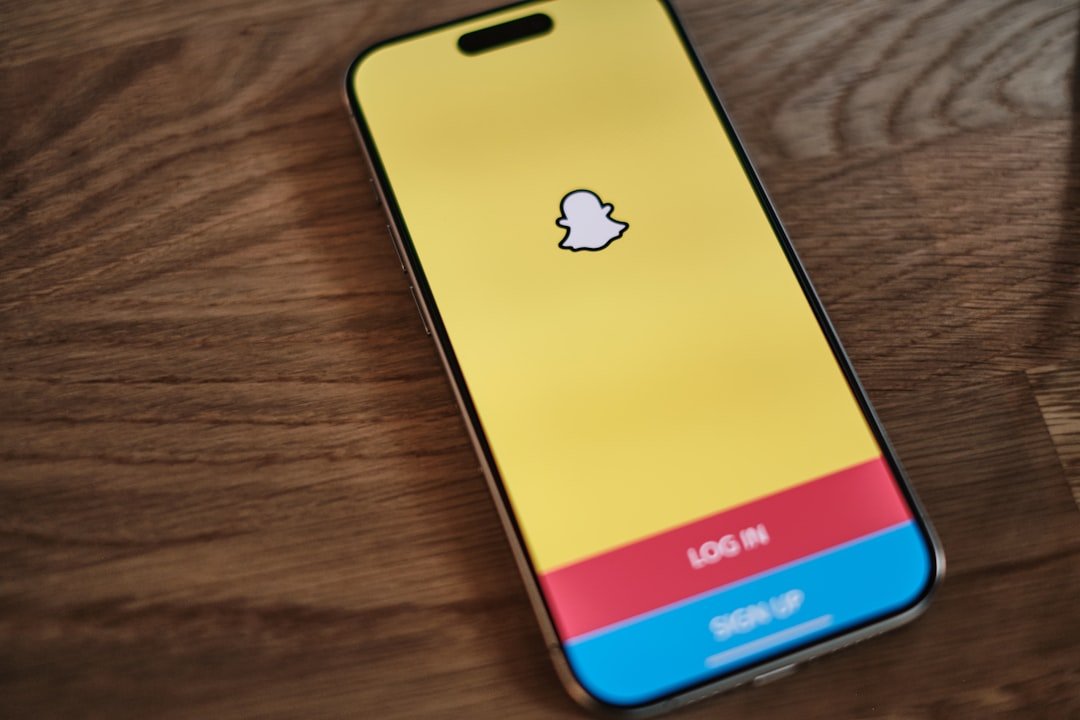
It’s the kind of headline that makes your stomach drop. A 12-year-old girl, an adult stranger, and a popular app that so many of our kids use every single day. A lawsuit has been filed in Missouri by the girl's parents, not just against the attacker, but directly against Snap, the parent company of Snapchat.
The core of their claim is devastatingly simple: they believe the app’s design and failures created the situation that led to their daughter being raped.
As someone who spends their days in the world of insurance, this story hits on a different level. Beyond the immediate tragedy, this lawsuit represents a massive, high-stakes question that insurers and tech companies have been grappling with for years: Where does an app’s responsibility end and a user’s begin? This isn't just about one family's quest for justice; it's a case that could send shockwaves through the tech industry and the insurance companies that back them.
Let’s unpack what’s really going on here, because it’s a big deal.
So, What's at the Heart of This Lawsuit?
When you peel back the legal language, the family's argument seems to be that Snapchat isn't just a neutral tool, like a telephone. They’re alleging that specific features and a lack of safeguards on the platform directly contributed to the danger.
Think about it like this. If you own a public swimming pool, you have a responsibility to put up a fence, post the depth markers, and have a lifeguard on duty. You can't just dig a hole, fill it with water, and then act surprised when something goes wrong. You have what’s called a "duty of care."
The lawsuit essentially argues that Snap failed its duty of care. They created the "pool," invited millions of kids to swim in it, but didn't provide adequate safety measures to protect them from the known dangers lurking in the water. This is a powerful argument, and it shifts the conversation from just blaming the individual predator to examining the environment that may have enabled him.
The Giant Insurance Question: Is an App a Product?
This is where things get really interesting from an insurance perspective. When something you make hurts someone, it typically falls under something called Product Liability Insurance. If a toaster you manufacture electrocutes someone, your product liability policy is what pays for the lawsuits and settlements. It's pretty straightforward for physical goods.
But what about a digital product? Is a social media app a "product" in the same way?
For years, tech companies have been shielded by a law called Section 230, which basically says they aren't responsible for what users post on their platforms. But this lawsuit isn't just about what someone else posted. It's about the very design of the app itself. The claim is that the product—the app's features, its algorithms, its safety protocols (or lack thereof)—was defective and dangerous.
If courts agree, this opens up a whole new world of risk for companies like Snap, Meta, and TikTok. And you can bet their insurance carriers are watching this case with white knuckles.
The Policies on the Hook
When a lawsuit of this magnitude is filed, a whole team of lawyers and insurance adjusters gets to work. Here are the likely policies that are being triggered right now inside Snap's headquarters:
- Commercial General Liability (CGL): This is the workhorse of business insurance. It covers bodily injury and property damage. The argument here would be that the "product" (the app) led to a horrific bodily injury. It’s a bit of a stretch for a digital platform, but you can be sure the plaintiff's lawyers will make the case.
- Errors & Omissions (E&O) / Tech E&O: This is the big one. Tech E&O insurance is specifically designed for technology companies. It covers financial losses to a third party arising from a failure of the product or service. In this case, the "error" or "omission" would be the alleged failure to design a safe app for minors. This policy is built for exactly this kind of "our tech messed up and hurt someone" scenario.
- Directors & Officers (D&O): This policy protects the company's leadership from claims of wrongful acts or mismanagement. If the lawsuit alleges that executives knew about the dangers and failed to act, the D&O policy could come into play to defend them personally.
The potential payout from a case like this could be astronomical. We're talking about a settlement or verdict that could easily run into the millions, or even tens of millions. That's precisely why these companies pay hefty premiums for massive insurance policies. Their insurance isn't just a safety net; it's a core part of their business strategy for surviving these kinds of "bet the company" lawsuits.
A Chilling Precedent for the Entire Industry
Let's be clear: the outcome of this case is far from certain. Tech companies have incredibly deep pockets and an army of lawyers to defend their platforms. But every lawsuit like this chips away at the armor.
If the family in Missouri is successful, it could set a powerful precedent. It would signal to other tech companies that they can no longer simply claim to be a neutral "town square." They might be seen as architects of that square, responsible for its lighting, its security cameras, and the dark alleys they build into it.
This would fundamentally change the risk calculation for the entire social media industry. Insurers would likely respond by:
- Hiking Premiums: The cost of liability insurance for social media companies could skyrocket.
- Adding Exclusions: Policies might start to include specific exclusions for claims related to harm to minors or sexual predation.
- Demanding More Oversight: Insurers could start requiring tech companies to undergo rigorous safety audits and prove they have robust protections in place before they'll even offer a policy.
Ultimately, this case is about more than just money or insurance policies. It's a tragic story that forces us to confront a deeply uncomfortable modern question. We've invited these platforms into the most intimate corners of our lives and our children's lives. This lawsuit is a stark reminder that we're still figuring out the rules, and the stakes couldn't be higher.