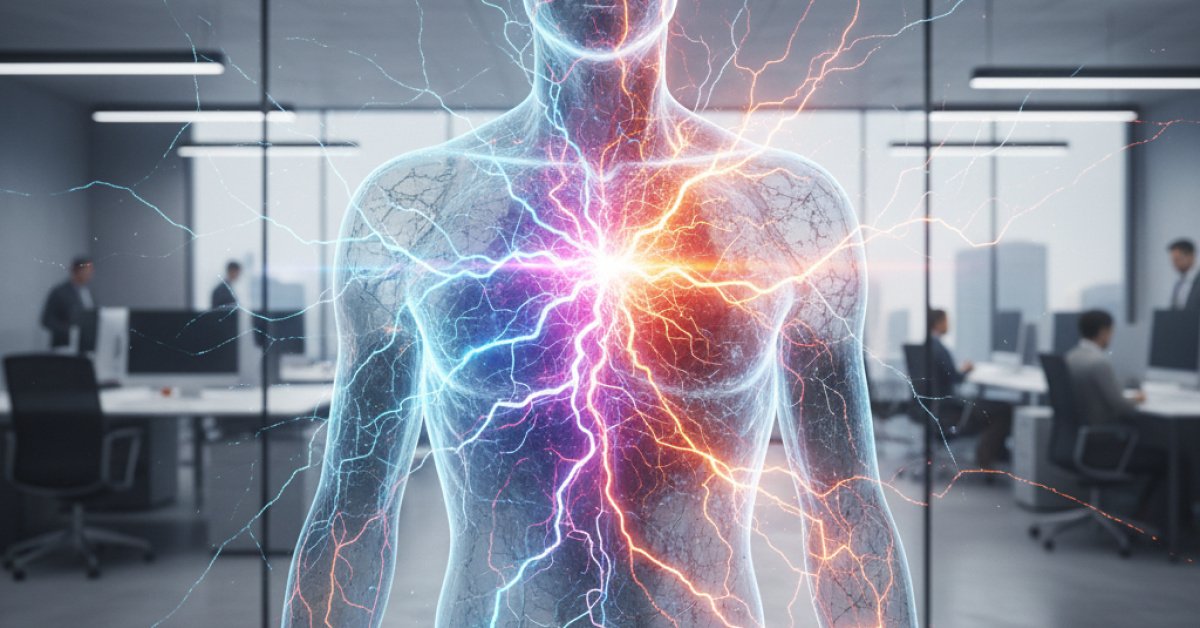
Picture this: You’re in a deep sleep, or maybe just focused on a task at work. Suddenly, a deafening klaxon alarm blasts right next to your ear without any warning. Your heart instantly hammers against your ribs, adrenaline floods your system, and for a split second, you’re completely disoriented.
Now, imagine that happening multiple times a day, every day, for a 20 or 30-year career.
That’s been the reality for firefighters for decades. For years, we’ve accepted that the jarring, high-decibel alarms were just part of the job. A necessary evil to get crews out the door fast. But we in the insurance and risk management world are starting to ask a critical question: what is the hidden cost of that constant shock to the system?
It turns out, the cost is immense. And forward-thinking departments are realizing that a calmer firehouse isn't just a "nice-to-have"—it's one of the most effective risk management strategies they can adopt.
The Hidden Danger of the Alarm
Let's be honest, the traditional firehouse dispatch system is brutal. A call comes in, and the entire station is instantly hit with a wave of sound and flashing lights. It’s designed to shock you into action.
But our bodies don't know the difference between a fire alarm and a tiger jumping out of the bushes. The physiological response is the same: a massive dump of cortisol and adrenaline. Your heart rate spikes, your blood pressure shoots up, and your body goes into full-on fight-or-flight mode.
Doing this day after day, year after year, takes a serious toll. It contributes to some of the biggest health risks—and biggest insurance claims—we see for first responders:
- Cardiovascular Disease: Firefighting is already a physically demanding job. Adding repeated, sudden cardiac stress significantly increases the risk of hypertension, heart attacks, and strokes. These often become costly, complex worker's compensation claims.
- Chronic Stress & Burnout: Living in a state of constant hyper-vigilance is exhausting. It wears people down, affecting their mental health, sleep quality, and overall well-being.
- On-the-Job Accidents: Think about it. When you're startled and running on pure adrenaline, are you at your sharpest? That initial jolt can lead to missteps—a trip and fall in the station, a mistake made while rushing to the truck. It creates a window of vulnerability before a firefighter is even on the scene.
From an insurance perspective, this is a recipe for long-term, high-cost claims. We’re not just insuring against a fire; we’re insuring against the cumulative effect of the job itself.
Danbury’s Quieter, Smarter Approach
This isn't just theory. Departments are actively changing the game. Take the Danbury Fire Department, for example. For years, they operated like everyone else. A call came in, and as Capt. Kevin Lunnie described, alarms and tones would immediately blast at high volume. It was effective, but it was also punishing.
Now, they've implemented a new, modern dispatch system that’s designed with human physiology in mind.
Instead of a sudden, jarring blast, the system uses a more gradual, "ramped" approach. Here's what that looks like:
- Gentle Wake-Up: The station lights slowly brighten over a few seconds, gently rousing firefighters instead of shocking them awake.
- Calmer Tones: The audible alert starts at a lower volume and gradually increases to an appropriate level. It’s enough to get your attention without triggering a panic response.
- Targeted Alerts: The system can even direct the alert only to the specific firehouse or apparatus that needs to respond, leaving others undisturbed.
The goal isn't to be slower. It's to be smarter. It's about giving firefighters the critical information they need to respond effectively, but without the harmful physiological side effects. They can go from zero to sixty with a clear head, not a racing heart full of adrenaline before they’ve even put their boots on.
What This Means for Your Risk Profile (And Your Bottom Line)
So, why should a risk manager, a town official, or an insurance broker care so deeply about the volume of a firehouse alarm? Because this one change has a powerful ripple effect across your entire risk profile.
It's a Direct Hit on Worker's Comp Claims
The link between job-related stress and cardiovascular events in firefighters is well-documented. Many states have presumptive legislation that assumes cardiac issues are work-related for firefighters. By implementing a system that directly reduces one of the primary daily cardiac stressors, you are proactively mitigating one of your biggest and most expensive sources of claims. It’s preventative medicine at an organizational level.
It Fosters a Safer, More Focused Response
A firefighter who isn't immediately overwhelmed by adrenaline is a more focused firefighter. They can process dispatch information more clearly, communicate better with their crew, and operate more safely from the moment they get in the truck. This can lead to a reduction in everything from vehicle accidents en route to a call to errors and injuries on the fireground. It’s about creating a state of focused readiness, not panicked reaction.
It's an Investment in Your People
At the end of the day, a fire department's most valuable asset is its people. A system that prioritizes their long-term health is a powerful tool for retention and recruitment. It shows you’re invested in their well-being beyond just giving them the right gear. This leads to a more resilient, experienced, and effective team, which is the foundation of any successful risk management program.
This isn't just about turning down the volume. It's about fundamentally rethinking how we prepare our first responders for a call. The old way was born from necessity, but technology has given us a better, healthier way to do it.
For any municipality or public entity looking to get ahead of claims, reduce long-term liability, and build a more sustainable and healthy fire department, looking at these new dispatch systems is no longer an option—it’s a necessity. It’s a simple change that protects your people and your budget for years to come.