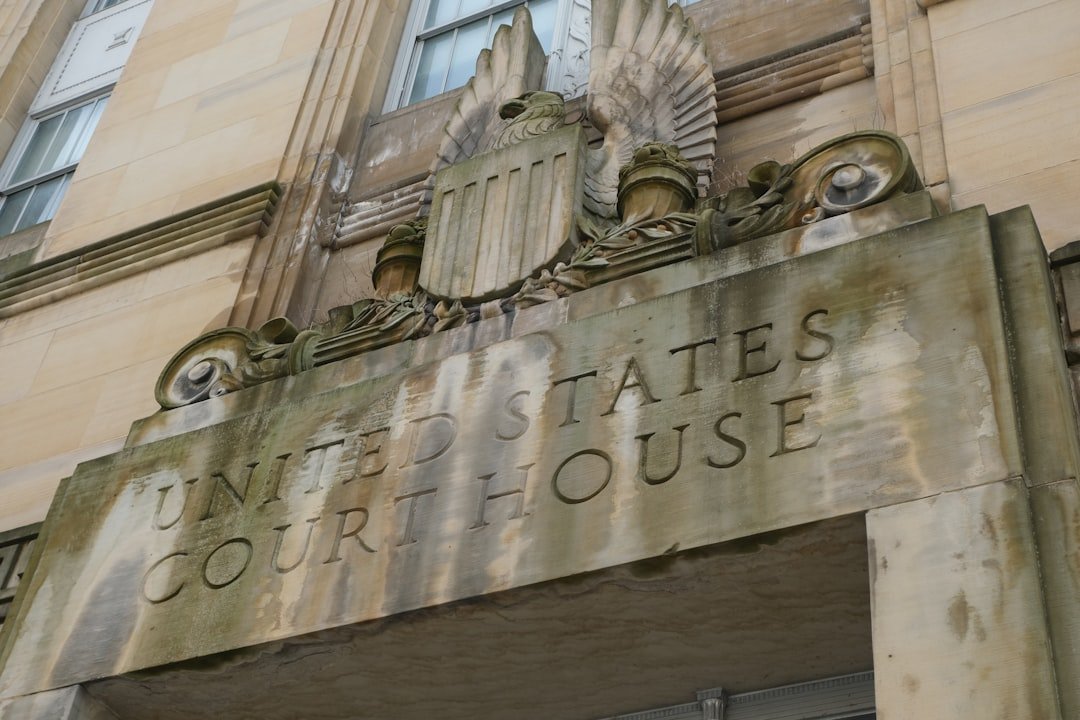
You ever see a deal that looks almost too good to be true? One of those massive, complex agreements that promises to solve a huge problem for everyone involved? Well, that’s what was on the table in a Missouri federal court. We're talking about a proposed $7.25 billion class-action settlement meant to handle a flood of cancer lawsuits against Bayer AG over its famous weedkiller, Roundup.
It seemed like a way to finally put a cap on years of incredibly expensive and emotionally charged litigation. A way for the company to manage its risk and for people to get compensated.
But then, one person—the federal judge overseeing the whole thing—stepped in and basically hit the emergency brake. He said he had "grave concerns," and when a federal judge uses words like that, everyone in the legal and insurance world sits up and pays very close attention.
Let's unpack what happened here, because it’s not just a legal drama. It’s a story about foresight, fairness, and the massive, tangled web of liability that companies and their insurers have to navigate every single day.
So, What Was This Big Settlement Supposed to Do?
First, a little background. For years, Bayer (who bought Monsanto, the original maker of Roundup) has been facing thousands upon thousands of lawsuits. These lawsuits are from people who claim that exposure to glyphosate, the main ingredient in Roundup, caused them to develop non-Hodgkin's lymphoma, a type of cancer.
As you can imagine, defending against this many individual lawsuits is a logistical and financial nightmare. So, companies in this position often try to create what's called a "class-action settlement."
Think of it like this: Instead of fighting 10,000 separate fires, you try to create one giant sprinkler system to put them all out at once. The goal of this $7.25 billion Missouri deal was to create a fund to resolve a huge chunk of these claims in one fell swoop. It was designed to cover not just people who are already sick, but also people who have been exposed to Roundup but haven't been diagnosed with cancer… yet.
And that last part? That’s where things got really complicated.
The Judge's "Grave Concerns": A Question of Future Fairness
Here’s the heart of the problem. The judge looked at this massive, nationwide settlement being hammered out in his Missouri courtroom and asked a very pointed question: How can we fairly resolve the claims of people who don't even know they're sick yet?
And more importantly, how can a court in Missouri make a binding decision for someone who might get diagnosed with cancer five years from now in Oregon or Maine?
This is the issue that gave him "grave concerns." He was worried that the deal just wasn't set up to properly protect the rights of these "future" claimants.
It’s a tricky situation. On one hand, you want to provide a path for future victims to get compensation without having to go through a whole new legal battle. On the other hand, you can't just sign away the rights of people who aren't even at the table.
Imagine someone trying to negotiate a deal on your behalf for a car accident you haven't even had yet. You wouldn't know the extent of your injuries, the cost of your medical bills, or anything else. You’d want your own say when the time comes, right? That’s the core principle the judge was trying to protect. He was essentially saying that this deal, as structured, might not be fair to people down the road who will be in a terrible and vulnerable position.
Why One State's Court Case Causes Nationwide Headaches
This whole situation highlights a massive challenge in what we call "mass tort" cases—these are situations where a single product or event allegedly harms a huge number of people.
The problem is that our legal system is built on state and federal jurisdictions. A judge in Missouri has authority in Missouri. But these lawsuits involve people from all 50 states. Trying to create a single, national solution in a single state courtroom is like trying to write a new traffic law for the entire country from a town council meeting.
The judge was worried that the proposed settlement was a legal overreach. He questioned whether his court even had the authority to approve a deal that would impact the rights of so many people outside his jurisdiction, especially those whose injuries haven't even manifested.
This is a huge deal for Bayer and, by extension, its insurers. They desperately want "finality." They want to know exactly how much this is all going to cost so they can close the book on it. A settlement that leaves the door open for thousands of future lawsuits doesn't provide that certainty. It just kicks the can down the road.
The Ripple Effect on Insurance and Corporate Risk
When a multi-billion-dollar settlement like this gets thrown into doubt, the shockwaves are felt everywhere. For the insurers backing a company like Bayer, this kind of uncertainty is their worst enemy.
Insurance is all about pricing risk. Insurers look at a situation and try to calculate the potential total cost of all claims. This proposed $7.25 billion was, in theory, a way to put a number on that risk.
But with the judge's rejection, that number is now a giant question mark again.
-
Uncertain Reserves: Insurers have to set aside money (called reserves) to pay for future claims. Without a firm settlement, they're left guessing how much they'll ultimately need. Will the final cost be $7 billion? $10 billion? $20 billion? Nobody knows, and that uncertainty can have a major impact on an insurer's financial stability.
-
Endless Litigation: The failure of a global settlement means the legal battles will likely continue, lawsuit by lawsuit, state by state. This means years more of legal fees, unpredictable jury verdicts, and ongoing administrative costs for everyone involved.
-
A Chilling Effect: This decision could also make it harder to settle future mass tort cases. Other companies and lawyers will look at this and realize that trying to solve for "future" claims is incredibly difficult. It might discourage these kinds of broad, forward-looking settlements, which could mean more prolonged and messy litigation in other major product liability cases down the line.
At the end of the day, this isn't just a legal setback for one company. It’s a stark reminder of how incredibly complex it is to achieve justice on a mass scale. The judge's decision, while frustrating for those who wanted a quick resolution, was a powerful statement about protecting the rights of individuals—even those we can't identify yet. For now, the saga of the Roundup lawsuits continues, and the search for a fair and final resolution is back to the drawing board.