Ever look at your power bill, see the total, and just let out a long, slow sigh? It feels like it only ever goes in one direction: up. We try to do all the right things—we switch to LED bulbs, we unplug our chargers, we sweat it out for an extra hour before turning on the AC.
But what if I told you that a huge chunk of that ever-increasing bill has almost nothing to do with how much electricity you’re actually using?
A recent government report just pulled back the curtain on a pretty staggering fact. For residential customers of California’s largest utility, a full $41 of the average monthly bill is now going directly toward covering the costs of wildfires.
Let that sink in. That’s almost $500 a year, not for the power you use, but as a sort of "wildfire surcharge." It’s a quiet reminder that the smoke we see in the summer has a long financial tail that follows us all year long.
So, Where Is That Extra $41 Actually Going?
It’s a fair question. When you see a number like that, it's easy to get frustrated. It feels like another hidden fee. But to understand it, we have to look at this from the utility company's perspective for a second.
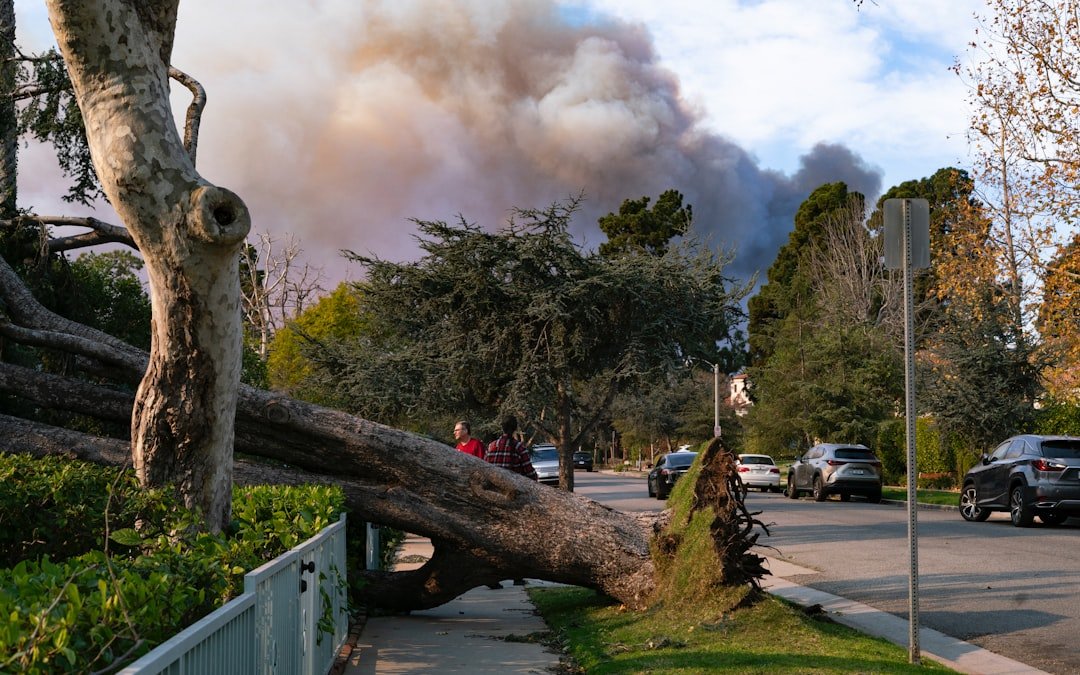
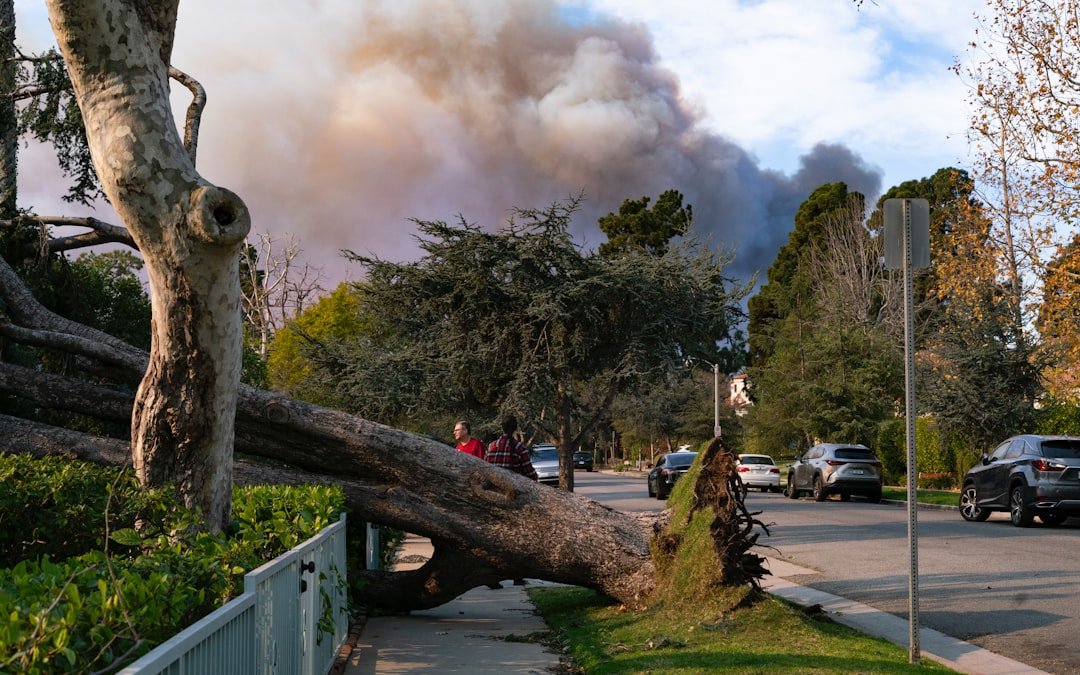
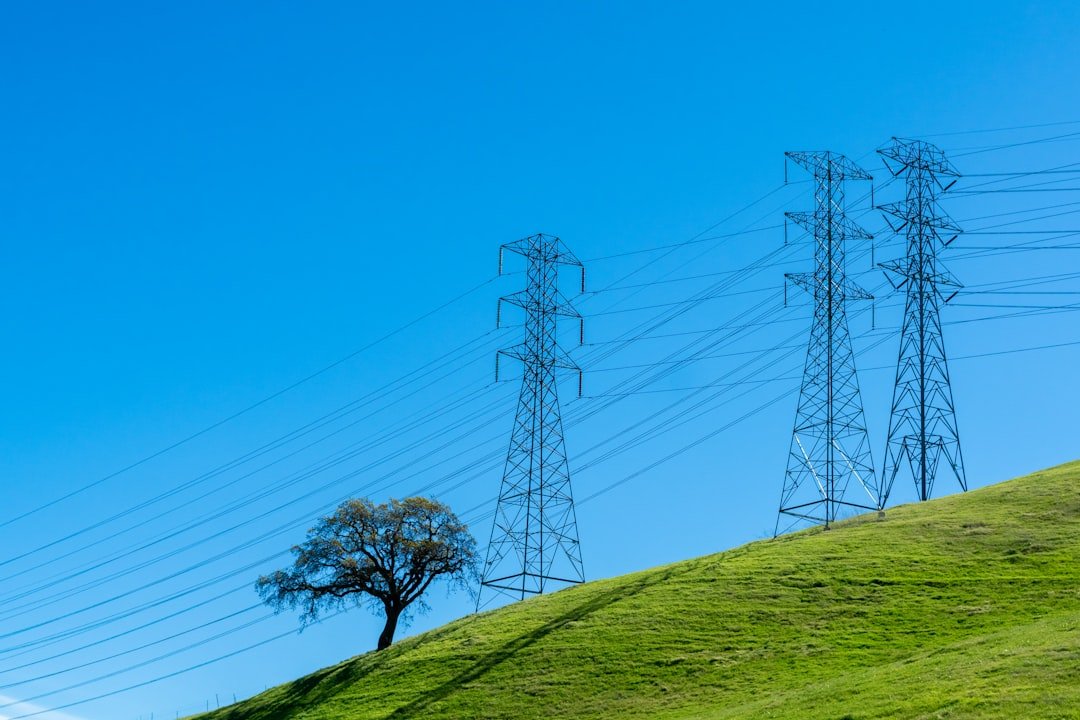
Imagine you’re running a massive, sprawling business with thousands of miles of equipment—power lines, transformers, substations—all running through forests and canyons that are getting hotter and drier every year. That’s the reality for California’s utilities.
The costs associated with wildfires are mind-boggling. We're talking about:
- Rebuilding Infrastructure: When a fire sweeps through, it doesn't just burn trees. It melts power lines, destroys poles, and fries critical equipment. Replacing all of that is incredibly expensive.
- Aggressive Prevention: To stop fires from starting in the first place, utilities are now on the hook for massive vegetation management projects. This means clearing trees and brush away from their lines on a scale we've never seen before. It’s a constant, costly battle against nature.
- Liability and Lawsuits: This is the big one. When utility equipment is found to have started a fire, the financial fallout is catastrophic. We’re talking billions of dollars in settlements and legal fees.
Think of it like this: The utility company has its own massive, invisible insurance premium to pay for the risk of operating in modern California. And just like with any business, when their costs go up, they have to pass that along to their customers. That’s you and me.
This Isn't Just a Utility Problem, It's a California Problem
Here’s the thing. That extra $41 on your power bill is more than just an annoying expense. It’s a symptom of a much, much bigger issue that’s affecting all of us.
It’s directly connected to the home insurance crisis that’s been unfolding across the state. You’ve probably heard the stories—friends or family getting non-renewal notices from their insurance carriers, or seeing their premiums double or triple overnight.
Why is that happening? Because insurance companies are looking at the same wildfire risk that the utilities are, and they’re getting scared. They’re realizing that the potential for massive losses is just too high in many areas.
So, you have utilities passing on costs through our bills, and insurance companies pulling back coverage or jacking up rates. It’s two sides of the same coin. The fundamental problem is that we haven’t figured out how to collectively pay for the enormous and growing risk of wildfire in our state. We're all just paying for it in different, painful ways.
The Report's Big Warning: We Need a "Systemic Overhaul"
The government report that uncovered this $41 surcharge didn’t just drop that number on us and walk away. It came with a pretty urgent warning: The way we’re doing things now isn't sustainable.
The report calls for a "systemic overhaul" of how the state handles these massive fire-related costs.
That sounds like a bunch of bureaucratic jargon, but what it really means is that we need to stop putting expensive band-aids on the problem. We can’t just keep letting utilities raise rates indefinitely. We can’t just let the insurance market collapse for millions of homeowners. The whole system is under stress, and it’s starting to crack.
So what does an "overhaul" even look like? The report doesn't lay out a perfect roadmap, but it points us in a direction. It means we need to have a serious, state-level conversation about big, bold ideas. Maybe it’s a state-backed fund to help cover catastrophic utility losses. Maybe it's a complete rethinking of how we manage our forests and build our communities.
The one thing that's crystal clear is that the old way isn't working. The cost is simply becoming too great, and it's landing squarely on the shoulders of regular Californians, one utility bill and one insurance premium at a time.
Next time you open that power bill and see a number that makes you wince, remember what’s behind it. It’s not just a charge for keeping the lights on. It’s the price tag for living in a state grappling with a new reality, and it’s a sign that we’ve got some very big, and very expensive, decisions to make together.