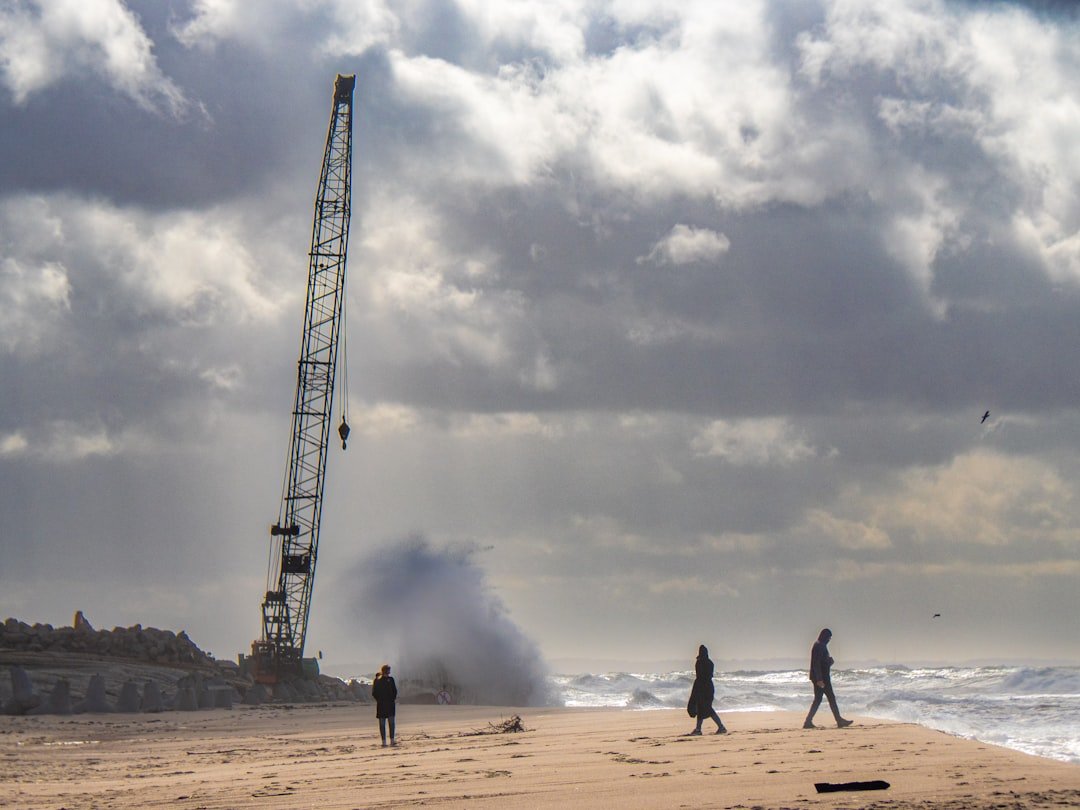
Have you ever been to a public beach? You know the scene. The sun, the sand, the sound of the waves. Now, imagine you show up one day and find the road blocked. The reason? A private company is about to launch a massive rocket into space just down the shore.
It sounds like something out of a movie, but it's the reality at Boca Chica Beach in Texas, home to SpaceX's Starbase facility. And it's at the center of a huge legal showdown that just hit the Texas Supreme Court.
On the surface, this is a story about public access versus private enterprise. But as someone who lives and breathes insurance, I see something else entirely. This case is a fascinating, real-world stress test for some of the biggest questions in risk management and liability.
When you mix public beaches with private rockets, who’s on the hook if something goes wrong? Let’s unpack this, because it’s a lot more interesting than just a legal squabble.
What’s Actually Happening at Boca Chica?
First, let's get the basic story straight.
SpaceX, as you know, is in the business of launching very big, very powerful rockets. For obvious safety reasons, they need a wide-open space when they do this. The area around their launchpad needs to be clear of people. The problem is, their launchpad is right next to a public beach.
For years, Cameron County has been granting orders to close the beach and a state highway for SpaceX launches, sometimes for hundreds of hours a year. A group of environmental and community organizations cried foul, arguing that the state law being used was meant for short-term, infrequent closures, not for the regular needs of a permanent spaceport.
They sued, and the case has worked its way all the way up to the highest court in Texas. The justices are now trying to figure out a tough question: How much can the public’s right to access their own beach be limited for the benefit of a private company’s operations?
But here's the part that really gets my insurance-nerd brain going: the massive, unspoken web of liability that hangs over this entire operation.
The Billion-Dollar Question: Who’s Liable?
Imagine this scenario: The beach is closed for a launch window, but the launch gets scrubbed. A tourist, frustrated, decides to ignore the closure and walk down the beach anyway. Then, some leftover equipment dislodges and injures them.
Who gets sued? SpaceX? Cameron County for approving the closure? The state of Texas? The answer is probably all of the above.
This is the kind of situation that gives underwriters nightmares. We’re talking about a unique and incredibly high-stakes risk.
A Tangled Web of Responsibility
Let’s think about this from an insurer’s perspective.
- SpaceX’s Liability: As the operator, SpaceX carries the primary risk. They have to have an astronomical (pun intended) amount of liability insurance. This covers everything from a catastrophic launch failure that rains debris on nearby towns to a simple slip-and-fall accident on their property. Their insurers are watching this court case very closely.
- The County’s Liability: By approving the closures, Cameron County is also taking on risk. They are actively restricting public access based on a private company's schedule. If a court decides they overstepped their authority, their own governmental liability insurance could be on the line.
- The State’s Liability: The whole fight is over the interpretation of a state law. If the court finds the state created a flawed or ambiguous law that led to this conflict, they could also be pulled into the liability mess.
In all likelihood, SpaceX has what’s called an indemnification agreement with the county. In plain English, that’s a contract where SpaceX promises to cover the county’s legal bills and any damages if the county gets sued over something related to the launches. But even with that, no government entity wants to be dragged into a massive lawsuit. It’s a political and financial headache.
Does Your Homeowners Insurance Cover Falling Rocket Parts?
This might sound like a joke, but it's a legitimate question for the people living in the area. Let's bring this down to a personal level.
Most standard homeowners insurance policies cover damage from "falling objects." So, if a piece of a rocket booster were to crash through your roof, you’d probably be covered. Your insurance company would pay for your repairs.
But that’s not the end of the story.
Your insurer would then turn around and go after the responsible party to get their money back. This is called subrogation. They would file a claim against SpaceX’s massive liability policy. It’s a David vs. Goliath fight, but it happens all the time.
The real tricky part comes with things like business interruption. What if you run a charter fishing boat or a beachfront rental property? The constant beach closures aren’t causing direct physical damage, but they’re definitely hurting your income. Unfortunately, most standard business insurance policies won’t cover that. They typically require a "direct physical loss" to trigger coverage, and a "Closed" sign doesn't count.
Why This Court Case Is a Bigger Deal Than You Think
The Texas Supreme Court isn't just deciding on the fate of one beach. They are setting a precedent that could have ripple effects across the country and the insurance industry.
Think about it. We are entering an era with more and more public-private partnerships for cutting-edge (and often risky) ventures. Drones, self-driving cars, commercial space travel—you name it. All of these things will have to coexist with public spaces and public life.
The court’s decision will send a signal:
- If they side with the community groups, it could make it harder for high-risk industries to operate near public lands. Insurers might see this as a positive, reducing their potential exposure. Or, they might charge companies like SpaceX even higher premiums to account for the increased legal and operational risks.
- If they side with SpaceX, it could open the door for more flexible use of public lands by private companies. This would create a whole new world of risk for insurers to figure out how to price. How do you underwrite a policy for a public park that doubles as a drone testing facility?
This isn't just a Texas story about a beach. It’s a preview of the complex risk landscape of the future. It’s a story about where the line is between encouraging innovation and protecting the public, and how the insurance industry will be forced to adapt and draw up the rules for who pays when that line gets crossed. Whatever the court decides, you can be sure that a lot of lawyers and insurance executives will be reading the fine print.