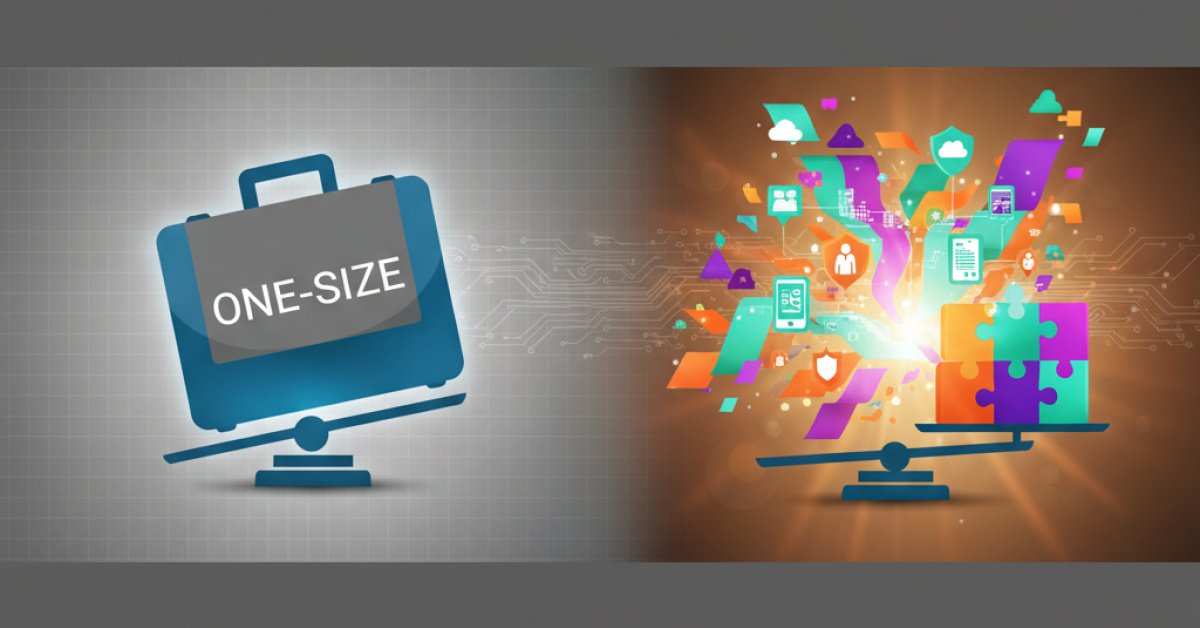
Let’s be honest for a second. When you think about buying life insurance, what words come to mind? "Complicated"? "Overwhelming"? "Impersonal"? You’re not alone. For decades, the process has felt a bit like trying on a suit that was made for a mannequin—it sort of fits, but it’s not really for you.
You fill out endless forms, answer questions that don't seem relevant, and end up with a policy that feels generic. It’s a transaction, not an experience.
But what if I told you that’s all starting to change? There’s a quiet but powerful shift happening in the insurance world. We're moving away from the era of just making things faster (that was automation) and into an era of making things smarter and more tailored to you. It’s called hyper-personalization, and it’s about making life insurance feel less like a product you buy and more like a partner in your life’s journey.
So, What Exactly Is "Hyper-Personalization"?
Okay, "hyper-personalization" sounds like a bit of corporate jargon, I get it. But the idea behind it is actually pretty simple and something you already experience every day.
Think about Netflix. It doesn't just show you a random list of every movie ever made. It looks at what you've watched, what you’ve liked, and what people similar to you enjoy, and then it says, "Hey, based on your love for sci-fi thrillers, you’re probably going to love this new show." That's personalization. It’s a system that understands you and anticipates what you might want or need next.
Now, apply that same logic to life insurance.
Instead of offering everyone the same three policy options, a hyper-personalized approach looks at you as an individual. It considers your age, your family situation, your financial goals, your health habits, even your future plans. The goal is to create a life insurance journey that feels like it was designed just for you, because, in a way, it was.
We've Had Automation, But This Is Different
For a while, the big buzzword in insurance was "automation." And don't get me wrong, automation was great. It sped up applications, made processing claims faster, and got rid of a ton of paperwork. It was all about efficiency.
But here’s the thing: automation was mostly about making things easier for the insurance company.
Hyper-personalization flips the script. It uses technology not just to be faster, but to be more empathetic and responsive to your needs. It’s the difference between a self-checkout machine (pure automation) and a personal shopper who knows your style and budget (personalization). One is efficient; the other is helpful and builds a relationship.
So, while automation was about streamlining the old, rigid process, personalization is about creating a whole new, flexible one.
What Does a Personalized Insurance Journey Actually Look Like?
This all sounds good in theory, but what does it mean for you when you’re actually shopping for or managing a policy? It means a process that adapts to you at every step.
A Smarter, Shorter Application
Imagine starting a life insurance application that doesn't ask you a hundred questions you’ve already answered somewhere else. A personalized system can pull in data (with your permission, of course) to pre-fill information or skip irrelevant sections. If you’re 25 and single, it won’t bog you down with questions about your grandchildren’s college funds. It’s about respecting your time and asking only what’s necessary.
Policies That Grow With You
Life isn't static, so why should your insurance be? One of the most exciting parts of this shift is the idea of a dynamic policy.
Let's say you get a policy when you're single and renting an apartment. A few years later:
- You get married.
- You buy a house.
- You have your first child.
In the old model, you’d have to remember to call your agent, reassess your coverage, and probably go through a whole new underwriting process. With a personalized system, the insurer can proactively reach out. They might send a note saying, "Congrats on the new home! We see people at this life stage often need to update their coverage to protect their mortgage. Want to see what that would look like?" It’s proactive, not reactive.
Advice That Actually Helps
Hyper-personalization allows insurers to become more like financial wellness partners. By understanding your situation, they can offer timely advice. Maybe it’s a tip about a savings plan that could complement your policy or a reminder about setting up a trust for your kids.
It’s about moving beyond the single transaction of selling a policy and building a long-term relationship based on trust and genuine help. The focus shifts from "What can we sell you?" to "How can we help you be more financially secure?"
Why Is This Happening Now?
This isn't just happening because insurers had a sudden change of heart. It’s happening because we, as customers, have changed. We’ve been trained by companies like Amazon, Spotify, and Netflix to expect personalized experiences. We want companies to know us, respect our time, and offer us things that are relevant to our lives.
The insurance industry is realizing that to build real, lasting trust with customers, they can't just compete on price anymore. They have to compete on experience. They have to show that they understand the people they’re protecting.
Ultimately, this shift is a win-win. You get an insurance experience that is easier, smarter, and more aligned with your actual life. And the insurance company gets to build a stronger, more loyal relationship with you. It’s about bringing the human touch back to an industry that is, at its core, all about protecting human lives. And frankly, it’s about time.