Let's be honest, when you see headlines about another devastating wildfire, your mind probably goes to a few places: the brave firefighters on the front lines, the families who have lost everything, and the sheer force of nature. But if you're in the insurance world like me, another thought probably pops into your head: Who's going to pay for this?
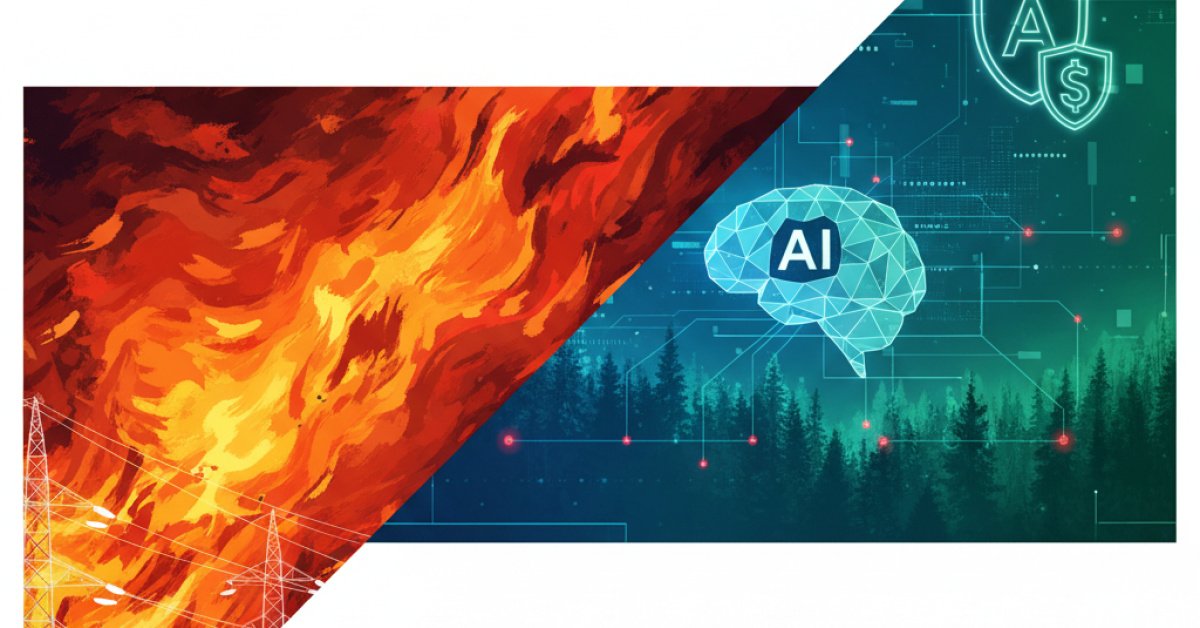
And more and more, the finger is pointing directly at utility companies. A single spark from a faulty power line on a dry, windy day can ignite a catastrophe, leading to billions—yes, billions—in liabilities. It’s a risk so huge it has pushed massive companies to the brink of bankruptcy and sent shockwaves through the insurance market.
For years, the problem seemed almost impossible to solve. How can a utility possibly monitor every inch of thousands of miles of power lines, many in remote, rugged terrain? It felt like an unwinnable battle. But now, they're deploying a surprising new ally, one that doesn't wear a helmet or carry a hose. They're using artificial intelligence.
So, What's the Big Problem with Power Lines?
It sounds simple, but the scale of it is just mind-boggling. Think about the vast networks of power lines that crisscross the country. They run through dense forests, over mountains, and across dry grasslands.
Traditionally, trying to prevent fires along these lines was a massive, manual effort. It meant sending crews out in trucks and helicopters to visually inspect the lines. They'd look for things like tree branches getting too close to a wire or aging equipment that might fail.
It’s a good idea in theory, but in practice? It’s slow, it’s incredibly expensive, and it’s easy to miss things. A guy in a helicopter flying over a 50-mile stretch of forest can't possibly spot every single potential problem. You’re basically looking for a needle in a continent-sized haystack. And when you miss that needle, the consequences are catastrophic.
Enter the AI Overlords (the Good Kind)
This is where a handful of really smart tech startups saw an opportunity. They asked a simple question: What if we could give utilities a superpower? What if we could give them the ability to see everything, all at once, and know exactly where to focus their attention?
That's the promise of AI in wildfire prevention.
Instead of just relying on human eyes, these systems gather a massive amount of data from different sources:
- High-resolution satellite imagery
- Pictures and sensor data from drones flying the lines
- LiDAR, which is like radar but with lasers, to create super-detailed 3D maps
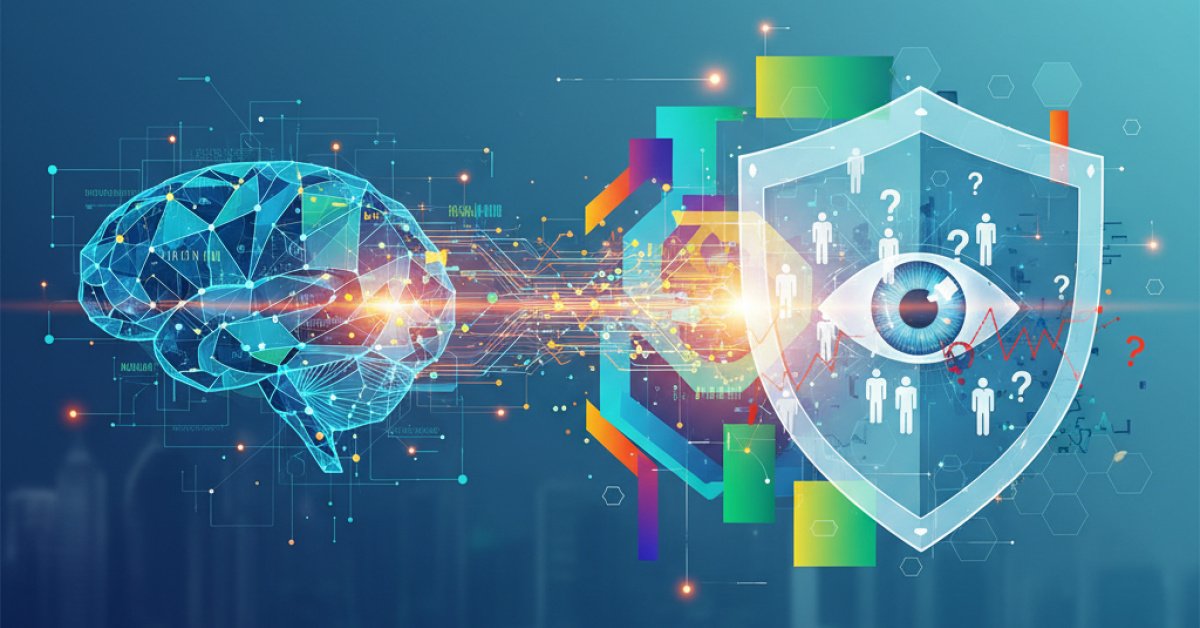
This firehose of data is then fed into an AI brain. This isn't some sci-fi robot; it's a sophisticated algorithm that has been trained to do one thing incredibly well: spot trouble. It’s been shown millions of images and taught what a healthy power line looks like versus one that’s a ticking time bomb.
It can identify a single tree branch that has grown into the "danger zone" around a wire. It can flag a utility pole that's leaning just a few degrees more than it should be. It can even analyze vegetation patterns to see which areas are driest and most flammable.
The result? The AI spits out a prioritized "hit list." It tells the utility, "Forget those 1,000 miles over there that look fine. These 15 specific spots need a crew, right now." It turns that impossible, continent-sized haystack into a manageable to-do list.
Why This is a Game-Changer for Insurance
Okay, so this is cool tech. But what does it actually mean for us in the insurance industry? Honestly, it’s one of the most exciting developments I've seen in risk management in a long time.
Here's why this matters so much:
1. We Can Finally Move from Reaction to Prevention For too long, our industry has been in the business of paying for disasters after they happen. This technology allows us, and the clients we insure, to get ahead of the risk. It’s the difference between paying for the billion-dollar rebuild of a town and paying for a tree-trimming crew to prevent the fire in the first place. That’s a win for everyone.
2. It Makes Underwriting So Much Smarter Think about how we underwrite a utility right now. We look at their history, their general maintenance plans, and the geographic area they cover. It's a bit of a black box.
With this AI data, the conversation changes completely. We can now ask potential clients, "Are you using a risk-mapping platform? Can you show us your data? What are your top 100 most critical risks and what's your plan to fix them?" An insurer can have a much clearer picture of who is actively managing their risk versus who is just crossing their fingers and hoping for the best. This granular data is an underwriter's dream.
3. It Creates a Powerful Incentive for Safety When utilities know that their insurance rates and their very ability to get coverage are tied to using this kind of proactive technology, they're going to adopt it. It creates a powerful financial incentive to invest in safety. Better data and better prevention lead to lower risk, which should lead to better insurance terms. It aligns the interests of the utility, the public, and the insurer.
This isn't just a theory. Utilities across the U.S. and even in Europe are already contracting with these AI startups. They are desperate for a solution to these crushing liabilities, and this is the most promising one to come along in decades.
Of course, it's not a magic wand. You still need crews on the ground to do the physical work of clearing vegetation and repairing equipment. And AI can't predict a lightning strike or stop an arsonist.
But it tackles the single biggest, most preventable cause of utility-ignited wildfires. It’s a powerful new tool in the arsenal, and for an industry that has been hammered by these catastrophic events, it’s a massive step in the right direction. It’s a sign that we might finally be getting smarter than the spark.