Let's be honest. When you think about catching insurance fraudsters, what comes to mind?
For me, it’s always been this old-school image of a private investigator in a trench coat, sitting in a car with a long-lens camera, trying to catch someone who claimed a back injury lifting a 50-pound weight at a CrossFit competition. And for a long time, that "boots on the ground," gut-feeling approach was pretty much all we had.
It was slow. It was expensive. And it was incredibly reactive. We were always playing catch-up, trying to investigate claims long after the money had already been paid out. It felt like we were trying to find a few specific needles in a gigantic, ever-growing haystack.
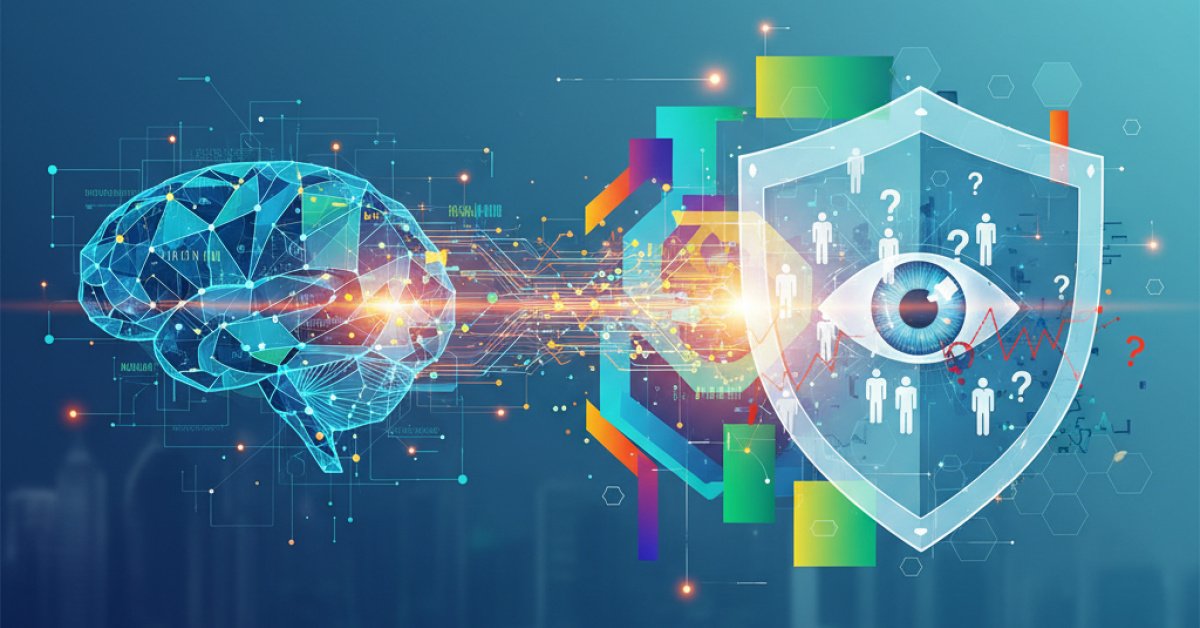
But here’s the thing: that picture is getting seriously outdated. The fight against workers' comp fraud isn't just about P.I.s and stakeouts anymore. It’s moving into the digital world, and the new secret weapon is something you probably use every day without even thinking about it: artificial intelligence.
So, What Was Wrong with the Old Way?
Before we get into the new stuff, let's talk about why we even needed a change. For decades, spotting potential workers' comp fraud was a manual, and frankly, inefficient process.
An adjuster might get a "gut feeling" about a claim. Maybe some details didn't add up, or the story seemed a little too perfect. If they felt strongly enough, they’d flag it for the Special Investigations Unit (SIU). From there, it was a long, costly road of interviews, paperwork, and maybe even surveillance.
The problem? It was a huge drain on resources. Investigators spent countless hours chasing down leads that often went nowhere, all while thousands of other claims poured in. Legitimate claims could get bogged down in the process, and the truly sophisticated fraud schemes often slipped right through the cracks. We were spending a ton of money to catch a relatively small number of fraudulent claims after the fact. It just wasn't a winning strategy.
Enter the Smart Tech: AI and Predictive Models
Now, imagine a different approach. Instead of waiting for a human to get a hunch, what if a system could analyze every single incoming claim and instantly flag the ones with the highest probability of being fraudulent?
That’s exactly what AI and predictive modeling are doing for workers' comp.
Think of it like the fraud alert you get from your credit card company. They have a model that knows your spending habits. If a charge suddenly pops up from a different country for a huge amount, their system instantly flags it as suspicious and sends you a text. It’s not a person watching your account 24/7; it’s a smart algorithm that recognizes a pattern that doesn't fit.
We're now applying that same logic to insurance claims. These predictive models are trained on mountains of historical claims data—both the fraudulent ones and the legitimate ones. The AI learns to spot the subtle red flags and weird combinations of factors that are often invisible to the human eye.
What Are These Models Actually Looking For?
You might be wondering what kind of "red flags" a computer can see. It's actually pretty fascinating. The models can analyze hundreds of variables at once, looking for patterns like:
- No witnesses to the reported incident.
- The claim is filed on a Monday morning for an injury that supposedly happened late on a Friday.
- The employee has a history of filing claims right before a layoff or termination.
- The medical provider or attorney involved has a history of suspicious claims.
- The injury details are vague or inconsistent with the medical reports.
A human adjuster might notice one or two of these things, but an AI model can see all of them, weigh their importance, and calculate a "risk score" for that claim in a fraction of a second.
This Isn't About Replacing People—It's About Empowering Them
Here’s a crucial point I want to make: this isn't about letting robots deny people's claims. Not at all.
The goal here is to turn that giant haystack of claims into a small, manageable pile of needles. The AI’s job is to do the heavy lifting—the initial sift—and say, "Hey, you human experts might want to take a closer look at these 50 claims out of the 5,000 that just came in."
This completely flips the script. Instead of investigators randomly chasing down weak leads, they can now focus their time, energy, and expertise on the claims that are most likely to be fraudulent. It’s a classic case of working smarter, not harder.
The result? The whole system gets more efficient.
- Faster investigations: SIU teams aren't wasting time on dead ends.
- Quicker payments for legitimate claims: When the system isn't clogged with questionable claims, honest employees who are genuinely hurt get their benefits faster. That’s a huge win.
- Better resource allocation: Insurers can direct their most valuable resource—their experienced human investigators—to where they can have the biggest impact.
From a Costly Problem to a Strategic Advantage
For years, fighting fraud was seen as a necessary cost of doing business. It was a defensive move, a line item on the budget. But with these new tools, we're seeing a major shift in thinking.
Proactively identifying fraud isn't just about saving money on a few bad claims. It’s about managing risk on a much bigger scale. When you can spot fraud patterns early, you can protect your entire portfolio. You can identify problematic medical providers or organized fraud rings before they can do widespread damage.
It transforms fraud detection from a reactive, costly chore into a proactive, strategic advantage. You're not just plugging leaks in the boat; you're using radar to see the icebergs ahead and steer clear of them entirely.
Ultimately, this technology helps create a fairer, more trustworthy system for everyone. It ensures that the benefits go to the people who truly need them, helps keep premiums stable for businesses, and allows insurers to operate more efficiently. It’s a powerful tool, and it’s changing the face of workers' compensation for the better.