Have you ever heard of the Consumer Financial Protection Bureau, or the CFPB? If not, that’s okay. Most people haven’t. But it’s one of those quiet, background agencies that has a huge impact on our daily financial lives.
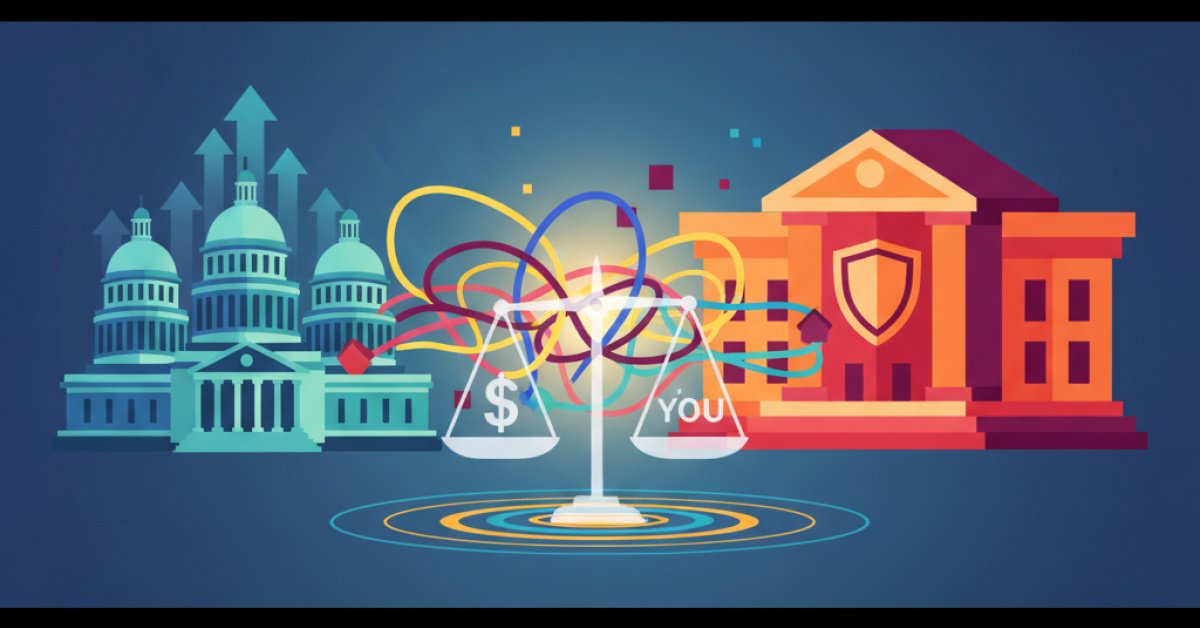
Think of the CFPB as the financial world's referee. Its job is to make sure banks, lenders, and other financial companies play by the rules and don't take advantage of you. They're the ones who step in when there are unfair, deceptive, or abusive practices happening.
Now, imagine that referee is suddenly being starved of resources. The whistle gets taken away, the rulebook is locked in a closet. That’s the heart of a major legal battle brewing right now, and a group of states has decided to step onto the field and call a foul.
So, What's This Lawsuit All About?
Here’s the thing: a group of states, mostly led by Democrats, has filed a federal lawsuit against the Trump administration. They’re claiming that the administration is deliberately and illegally trying to cripple the CFPB.
How? By choking off its funding.
See, the CFPB has a very unique setup. To keep it independent and free from political games, Congress designed it to get its funding directly from the Federal Reserve, not through the annual congressional budget process. The director of the CFPB simply tells the Fed how much money the agency needs to operate (up to a certain cap), and the Fed provides it.
This was done on purpose. The idea was to create a watchdog that could do its job without fear of having its budget slashed by politicians who might be friendly with the very industries the CFPB is supposed to be watching.
But now, the states allege the administration is refusing to make that funding request to the Fed. It’s like refusing to cash the paycheck that keeps the lights on. The states argue this isn't just a policy disagreement; they say it's an illegal move to sideline an agency the administration doesn't like.
Why Are States Getting Involved?
You might be wondering why state governments are the ones filing this lawsuit. It’s a great question.
The states see themselves as the last line of defense for their citizens. They’re arguing that if the federal watchdog is taken out of the game, it’s their residents who will be harmed by predatory loans, deceptive credit card offers, and other unfair financial practices.
Their lawsuit basically says, "You can't just decide to defund an independent agency created by law." They believe the administration is overstepping its authority and, in doing so, leaving millions of consumers vulnerable. It's a bold move that turns a political fight into a legal showdown in federal court.
Okay, But How Does This Affect Me and My Insurance?
This is where it gets personal. It’s easy to think of this as some far-off political drama in Washington, but a weakened CFPB has real-world consequences, even in the world of insurance.
While state insurance commissioners are the primary regulators for traditional insurance policies, the CFPB's authority often covers the gray areas where finance and insurance overlap.
Here are a few examples:
- Credit Insurance: Ever been offered insurance to cover your car loan or mortgage payments if you lose your job or become disabled? That’s often regulated by the CFPB. They make sure the terms are fair and that you’re not being pressured into buying a product you don’t need.
- Debt Collection: If an insurance premium or a related debt goes to a collector, the CFPB has rules about how that collector can behave. A less powerful CFPB could mean a return to more aggressive and unfair collection tactics.
- Financial Products Sold by Insurers: Sometimes, insurance companies or agents sell other financial products alongside their policies. The CFPB helps police these offerings to ensure they're not deceptive.
When the main referee is off the field, some players start to bend the rules. A CFPB that’s starved for cash can’t conduct as many investigations, can’t write as many protective rules, and can’t bring as many enforcement actions against companies that break the law.
Ultimately, it means less protection for your wallet. The very reason the agency was created after the 2008 financial crisis was to prevent the kinds of widespread consumer abuses that led to disaster.
This lawsuit is more than just a headline. It’s a fundamental fight over whether the top consumer cop in the country will have the resources to walk the beat. The outcome will tell us a lot about the future of consumer protection in America, and it's a story we should all be watching closely.