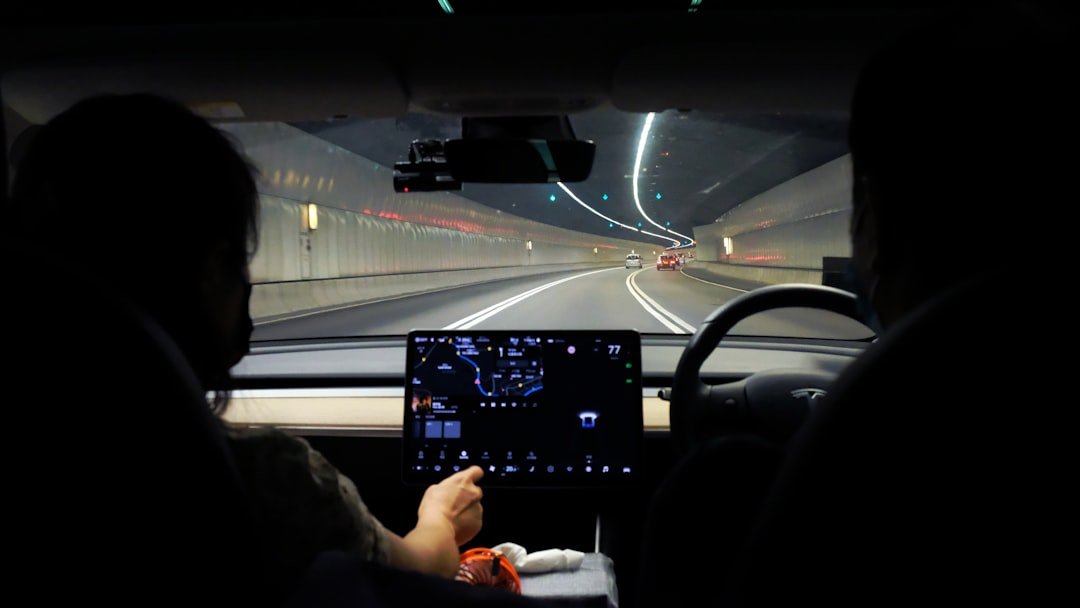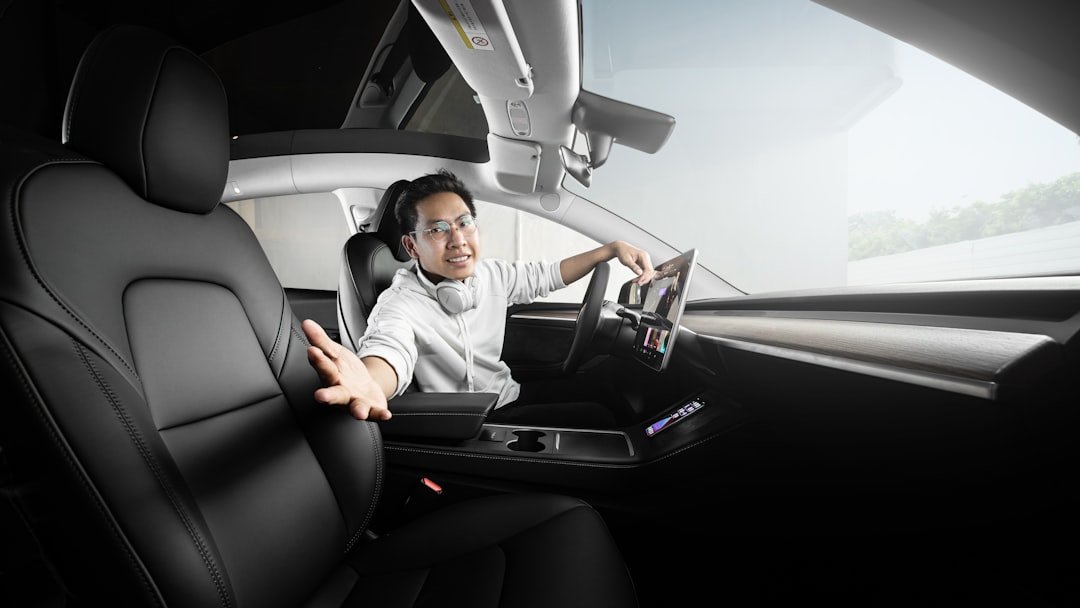
Have you ever been driving and just for a second, you let your mind wander? Maybe you’re thinking about your grocery list or a meeting you have tomorrow. It happens to all of us. Now, imagine your car is supposed to be handling most of the driving for you. It’s easy to see how you could get a little too comfortable, right?
That’s the complicated world we’re stepping into with automated driving technology. And a recent, quiet legal settlement involving Tesla just shined a massive spotlight on the insurance nightmare that’s brewing just under the surface.
Tesla just settled a lawsuit over a tragic fatal crash from 2023 involving its "Full Self-Driving" technology. They settled it quickly, right before the trial was set to begin, and without a lot of fanfare. But for those of us in the insurance world, this wasn't just a small news blip. It was a thunderclap. It raises the million-dollar question we've all been asking: when a car that's supposed to drive itself crashes, who is actually at fault? And more importantly, who pays?
Let's unpack what happened and what it really means for the future of your car insurance.
The Story Behind the Settlement
First, let’s talk about the case itself, because the human element here is incredibly important. Back in 2023, a 71-year-old woman named Johna Story was involved in a collision on an Arizona highway. She had stepped out of her own vehicle when the incident occurred.
This wasn't just any accident. It was serious enough to trigger a major defect investigation into Tesla's automated-driving systems. The lawsuit that followed was set to be a landmark case, potentially setting a legal precedent for how we handle accidents involving semi-autonomous cars.
But then, just as everyone was getting ready for a courtroom showdown, Tesla settled.
Now, why is a settlement such a big deal? Well, think of it this way. A court trial is public. Evidence is presented, experts testify, and a judge or jury makes a decision that becomes public record. That decision can then be used as a foundation for future cases. It sets a precedent.
A settlement, on the other hand, is a private agreement. It avoids a public verdict. For Tesla, it means they avoid a potential ruling that their technology was officially "defective" or "at fault." It keeps a lot of potentially damaging internal information from becoming public. But for the rest of us, it means the fundamental question of liability is left completely unanswered. We're all still in the dark.
The Giant Insurance Headache: Who’s Liable?
This is where things get really messy from an insurance perspective. For the last century, car insurance has been built on a simple foundation: a human driver is in control, and when something goes wrong, that driver (and their insurance company) is usually held responsible.
But "Full Self-Driving" and other advanced driver-assist systems throw a giant wrench in that model. Suddenly, we have multiple "drivers" in the car: the human behind the wheel and the software making thousands of decisions per second.
So, when a crash happens, who do we point the finger at?
Is It the Driver?
Most of the time, the answer is still yes. If you look at the fine print for systems like Tesla's, they all say the driver must remain attentive and be ready to take over at a moment's notice. The name "Full Self-Driving" is, in my opinion, dangerously misleading. It’s a driver-assist system, not a chauffeur.
From an insurer's point of view, if the human is supposed to be the ultimate failsafe, then they still hold a huge chunk of the liability. But is it fair to expect a person to remain perfectly alert for hours while the car does everything, ready to snap to attention in a split second? That’s a tough psychological ask.
Is It the Manufacturer?
This is the product liability argument. If you buy a toaster and it explodes because of a defect, the manufacturer is responsible. So, if a car's driving software makes a bad call and causes an accident, shouldn't the carmaker be on the hook?
This is the argument that cases like the one in Arizona were set to explore. Is the software a "product"? Can it be "defective"? If so, this could completely change the game. Instead of a claim against a driver's auto policy, we could see massive lawsuits directed at car manufacturers. You can bet that companies are doing everything they can—like settling cases quietly—to avoid a legal precedent that says their multi-billion dollar software is a faulty product.
How This is Forcing the Insurance Industry to Adapt
We in the insurance industry aren't just sitting back and watching this unfold. This is fundamentally changing how we have to calculate risk. It’s no longer just about a driver's record, age, or the type of car they have. Now, we have to ask new questions:
- What version of the software is the car running? Is an older version riskier than a new one that’s been patched?
- How much was the automated system being used? Cars like Teslas generate a staggering amount of data. Insurers will want access to that data after a crash to see who—or what—was in control.
- Can we even price this risk accurately? The technology is changing so fast that historical data, the bedrock of insurance pricing, is almost useless. We’re trying to predict the future, and it's incredibly difficult.
This uncertainty is one reason why insuring a high-tech car can be so expensive. It's not just that the parts are costly to repair (which they are). It's that the liability risk is a giant, undefined gray area. And in insurance, uncertainty always equals higher costs.
What This All Means For You
Okay, so maybe you don't own a car with "Full Self-Driving." Why should you care about any of this?
Because this technology is coming to all cars, in one form or another. Features like lane-keep assist, adaptive cruise control, and automatic emergency braking are already standard on many new vehicles. The line between "driver-assist" and "self-driving" is getting blurrier every single year.
This Tesla settlement isn't an isolated event. It’s a preview of the complex legal and insurance battles that are on the horizon. The questions it leaves unanswered will affect every single one of us on the road.
For now, the best advice I can give is to be an informed driver and consumer. Understand exactly what the technology in your car can and, more importantly, cannot do. Don't let a fancy marketing name lull you into a false sense of security.
The road ahead is going to be bumpy as the law and the insurance industry race to catch up with technology. This quiet settlement in Arizona was just one more sign that we’re still a long, long way from figuring it all out. And until we do, the most important safety feature in any car remains the same as it's always been: a careful, attentive driver.