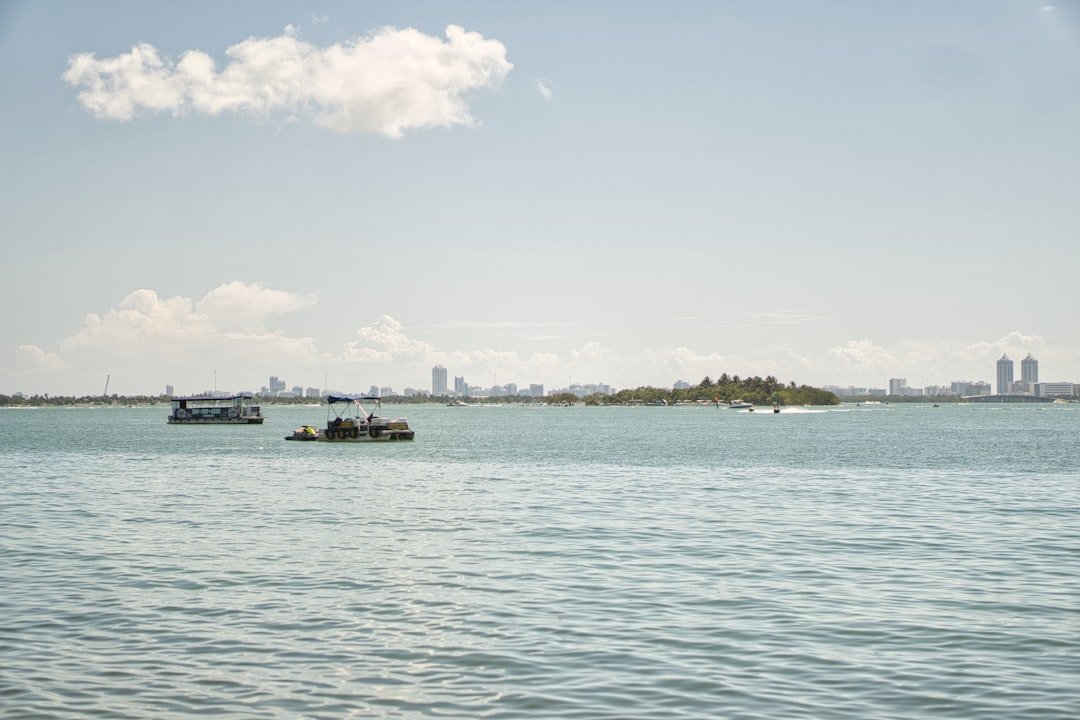
It’s one of those stories that just stops you in your tracks. A beautiful day on the water in Miami, kids from a sailing camp learning and laughing. It’s the kind of scene we all picture when we think of summer. And then, in an instant, it turns into an unimaginable tragedy.
Federal prosecutors recently charged a 46-year-old tugboat captain, Yusiel Lopez Insua, in a collision this past July that killed three girls from that sailing camp. The charge is seaman’s manslaughter. It’s a heavy, awful situation, and our hearts ache for the families involved.
As someone who spends their days in the world of insurance, stories like this hit differently. Beyond the initial shock and sadness, my mind immediately goes to the aftermath—the complex, painful process that follows. Because behind every headline like this, there’s a massive, intricate web of liability, claims, and coverage that will impact dozens of lives for years to come. Let's talk about what happens behind the scenes, from an insurance perspective.
What Does a "Seaman's Manslaughter" Charge Really Mean?
First, let's unpack that charge. It sounds serious, and it is. "Seaman's manslaughter" isn't a term you hear every day, but it’s a specific federal charge that applies to captains, engineers, or pilots of vessels.
Essentially, it means the government believes the captain's misconduct, negligence, or inattention to his duties directly caused the death of another person. This isn't about a simple, unavoidable accident. It implies a significant failure of responsibility—a breach of the professional duty of care that every captain owes to others on the water.
Think of it like this: when you get behind the wheel of a car, you have a duty to drive safely and follow the rules. For a licensed tugboat captain, that duty is magnified a hundred times over. Their vessel is powerful, the waterways are crowded, and the potential for disaster is huge. A charge like this suggests that, in the eyes of the law, a serious lapse in that duty occurred, with the most devastating consequences.
The Insurance Fallout: A Ripple Effect of a Single Moment
When a tragedy of this magnitude happens, it’s not just one insurance policy that comes into play. It’s a cascade. Multiple parties, multiple policies, and multiple teams of adjusters and lawyers get involved. It’s a complex and messy process.
The Tugboat Company's Coverage
The first and most obvious place to look is the insurance for the tugboat and its operating company. Commercial vessels aren't covered by a simple boat insurance policy like you might have for your ski boat. They carry highly specialized coverage, most commonly known as Protection and Indemnity insurance, or P&I.
P&I is the workhorse of marine liability. It’s designed to cover the vessel owner’s liability for things like:
- Injury and loss of life: This is the primary concern here. P&I policies are built to respond to claims from third parties, like the families of the victims in this crash.
- Damage to other vessels or property: It would also cover the damage to the sailboat and any other property involved.
- Wreck removal: If the vessel sinks, P&I helps cover the cost of removing it.
The tugboat company’s P&I insurer will be on the front lines, dealing with the immense legal and financial fallout from this incident. The claims for wrongful death will be substantial, and the legal defense costs alone will be significant.
What About the Sailing Camp?
It’s easy to focus on the tugboat, but the sailing camp is also a part of this story. They had a duty of care to the children they were responsible for. Even if they did everything right, they will almost certainly face legal action.
This is where their Commercial General Liability (CGL) policy comes in. A CGL policy is designed to protect a business from claims of bodily injury or property damage. The parents of the children will likely file claims or lawsuits against the camp, alleging that they were somehow negligent in ensuring the safety of their children.
You might be thinking, "But didn't the parents sign a waiver?" Maybe. Waivers are common for activities like sailing camps, but here's the thing about waivers: they aren't ironclad. They can often be challenged in court, especially when minors are involved or if there's evidence of gross negligence. The camp’s insurance company knows this and will have to mount a legal defense, regardless of any waivers.
The Human Cost and Wrongful Death Claims
This is the hardest part of the conversation. No amount of money can ever replace a life. We all know that. In the world of insurance and law, the mechanism for addressing a death caused by negligence is a wrongful death claim.
These claims are brought by the families of the deceased to seek compensation for their loss. This isn't just about covering funeral expenses. It's an attempt to quantify the unquantifiable. A wrongful death claim can include damages for:
- The family's mental pain and suffering.
- The loss of future companionship and guidance.
- The loss of potential future earnings of the deceased.
- Medical and funeral costs.
These are incredibly sensitive and emotionally draining legal battles. The role of the insurance companies (both for the tugboat and the sailing camp) is to manage these claims. They will investigate, negotiate, and ultimately pay out settlements or court-ordered judgments up to the policy's limits.
Why This Matters for Every Boat and Business Owner
You might not own a tugboat or run a sailing camp, but the lessons from this tragedy are universal for anyone who operates on the water or runs a business.
It’s a brutal reminder that risk is everywhere, and the stakes can be life and death. The captain of that tugboat probably started his day like any other. He didn’t expect it to end in tragedy and a federal indictment.
This is why we talk about risk management. It's why we have training protocols, safety checks, and licensing requirements. And it's why we have insurance. Insurance is the financial backstop for the unthinkable. It’s the tool that allows families to receive some measure of financial justice and helps businesses survive a catastrophic event that would otherwise bankrupt them.
This incident in Miami is a somber, real-world example of liability in action. It’s a story of a single moment of alleged negligence that created a wave of devastation. For the families, the pain is immeasurable. For the businesses involved, the financial and reputational damage will be immense. And for the rest of us, it’s a powerful lesson in the profound responsibility we have to one another, and the critical importance of being prepared for the worst.