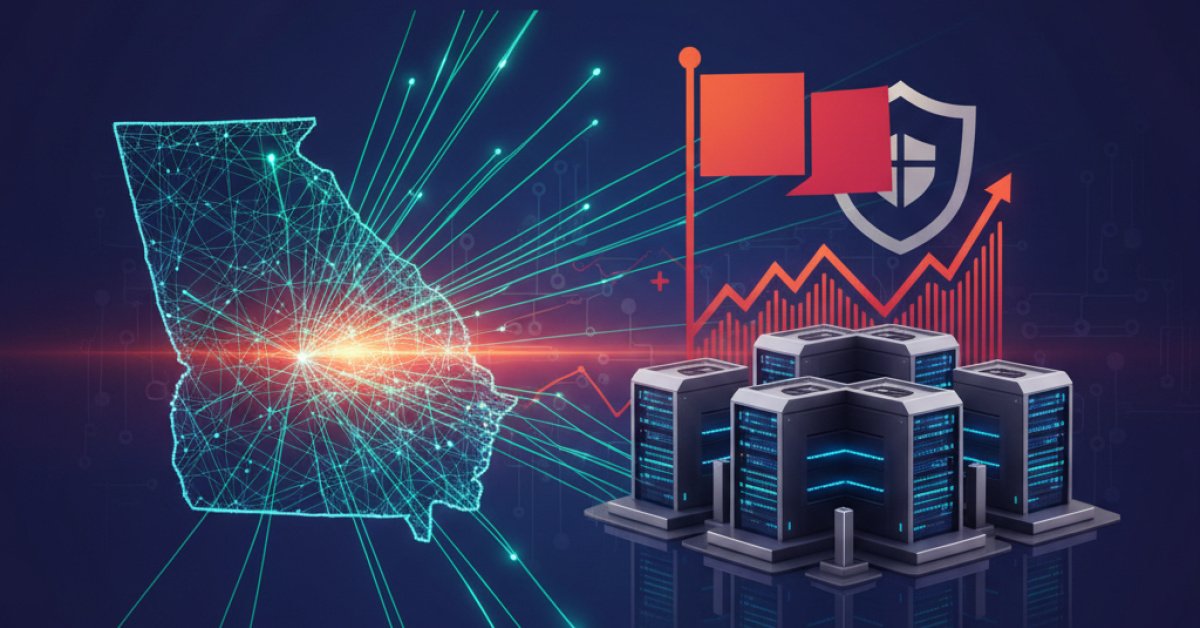
Have you ever stopped to think about the invisible world that runs our lives?
I’m talking about the data centers, the fiber optic cables, the cell towers—all the stuff that lets you stream a movie, join a video call, or save a file to the cloud. It’s the digital plumbing of our modern world. And just like real plumbing, we don’t think about it much… until it breaks.
But here’s the thing: protecting that digital plumbing is becoming one of the biggest, most complicated challenges in the insurance world. These aren't just buildings with servers in them; they're the nerve centers of our global economy.
And it looks like one of the biggest names in the business is taking that challenge very seriously. Marsh McLennan just announced they’ve created a brand-new role focused entirely on this space, and it’s a move that we should all be paying attention to.
So, What’s the Big Announcement?
Marsh McLennan has just appointed a new Global Digital Infrastructure Leader. This isn't just a promotion or a small team shuffle; it's a newly created position designed to tackle the unique risks of this booming sector, especially in the United States.
This move signals that the company sees digital infrastructure not just as a part of their technology practice, but as its own massive, complex, and critically important area that needs specialized expertise. They’re essentially building a dedicated brain trust to figure out how to best protect the digital backbone of our world.
Think of it like this: for years, a hospital might have had a general surgeon who could handle a bit of everything. But as medicine advanced, they needed specialists—a heart surgeon, a brain surgeon, a knee surgeon. That’s what’s happening here. The risks tied to data centers and fiber networks have become so specific and so high-stakes that they need a specialist at the helm.
Why Create a Role Like This Right Now?
You might be wondering, what’s the rush? The answer is simple: explosive growth and equally explosive risk.
The demand for data is just insatiable. Every time we adopt a new technology—from AI and machine learning to the Internet of Things (IoT)—we’re creating a tidal wave of data that needs to be stored, processed, and moved. This has led to a construction boom for things like:
- Hyperscale Data Centers: These are unimaginably huge facilities, sometimes the size of several football fields, that power the services of companies like Amazon, Google, and Microsoft.
- Fiber Optic Networks: The super-highways that carry all this data across continents and under oceans.
- 5G Towers: The infrastructure that enables faster mobile connections for everything from our phones to self-driving cars.
But with great growth comes great risk. These aren't your typical commercial properties. The potential for things to go wrong is unique and, frankly, a bit scary.
What Keeps a Digital Infrastructure Insurer Up at Night?
Let’s get specific. When you’re trying to insure a massive data center, you’re not just worried about a fire or a flood (though those are big concerns, too!). You’re dealing with a whole different set of problems:
- Cyberattacks: A successful ransomware attack could not only take a facility offline but also compromise the data of millions of customers. The business interruption costs could be astronomical.
- Power Failures: These facilities consume an incredible amount of electricity. A prolonged power outage, even with backup generators, can be catastrophic. Think about the strain on the power grid during a heatwave.
- Physical Security: These are high-value targets for everything from corporate espionage to terrorism. Protecting them is a massive undertaking.
- Supply Chain Chaos: Building or repairing a data center requires highly specialized equipment. If a critical cooling unit or a specific type of server is stuck on a ship somewhere, the delays can cost millions.
This is exactly why a dedicated leadership role makes so much sense. You need someone who lives and breathes this stuff—someone who understands the difference between a Tier 1 and a Tier 4 data center and can explain the insurance implications of both.
What This Really Means for the Insurance Industry
Okay, so a big company made a new hire. Why does that matter to the rest of us in the insurance world?
Because it’s a bellwether. It’s a sign that the industry is shifting from a reactive to a proactive stance on digital infrastructure. For a long time, these risks were often bundled into broader tech or property policies. It was a bit of a square-peg-in-a-round-hole situation.
This move by Marsh McLennan says that’s no longer good enough.
We’re likely going to see this trend continue. I expect we'll see more carriers and brokers developing specialized teams and creating bespoke insurance products designed specifically for the digital infrastructure world. This could mean policies that better address contingent business interruption from a power grid failure or provide more nuanced coverage for a data breach.
It also means that the pressure is on for better risk management. The person in this new role won't just be selling insurance; they'll be working with clients to make their facilities more resilient in the first place. That’s the real future here—a partnership between insurer and insured to keep our digital world running smoothly.
It's a smart play, and honestly, it’s about time. The world has changed, and the way we protect its most critical assets has to change with it. This appointment is a clear and powerful step in that direction.