Have you ever looked at your insurance bill and thought, "Why did my rates go up again?" I know I have. You drive safely, you haven't filed a claim in years, but that number just keeps creeping up. It’s frustrating, and it often feels like there’s no good reason for it.
But here’s something you might not think about: a hidden cost that’s quietly picking your pocket. It’s insurance fraud. And it’s a much bigger deal than most of us realize.
The National Insurance Crime Bureau (NICB), basically the top investigators when it comes to insurance-related crime, are really sounding the alarm on this. They've launched a new campaign to get everyday people like you and me to understand what’s at stake. Because when people cheat the system, we’re all the ones who end up paying for it.
So, What Exactly Are We Talking About Here?
When you hear "insurance fraud," your mind might jump to some elaborate, Hollywood-style heist. You know, faked deaths, staged accidents, a whole criminal enterprise. And yeah, that stuff definitely happens.
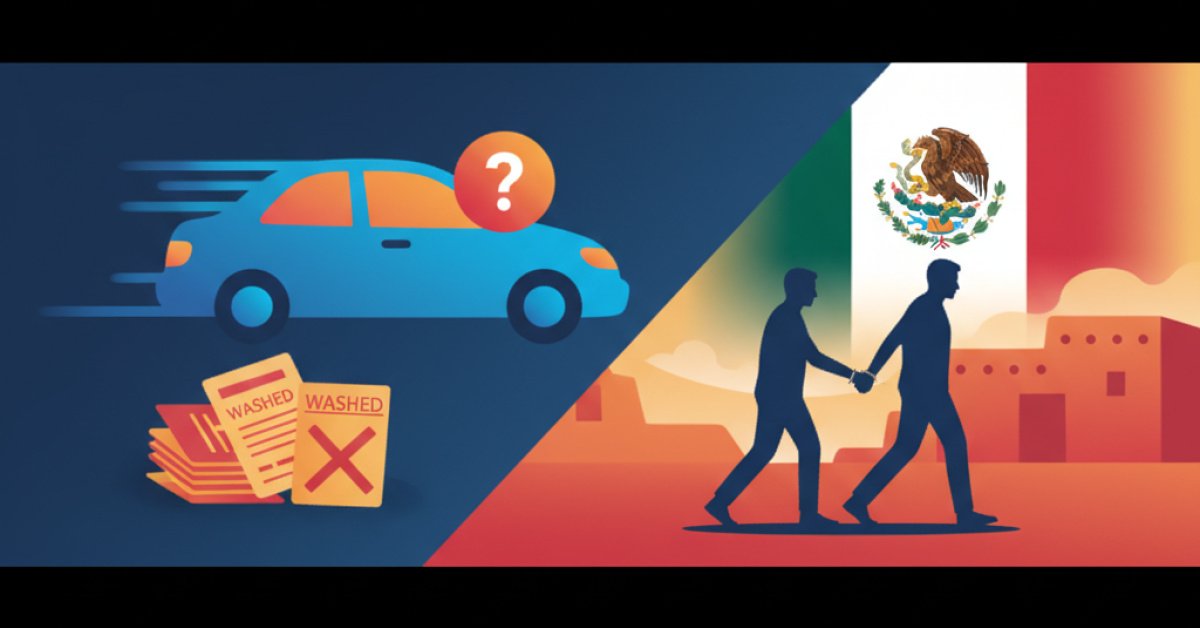
But a lot of insurance fraud is way more common and, honestly, a lot more… normal-looking. It’s the roofer who shows up after a hailstorm and offers to "cover your deductible" by inflating the bill to the insurance company. It’s the auto body shop that bills for brand-new parts but uses salvaged ones.
It can even be what some people call "soft fraud"—small exaggerations that seem harmless. For example, someone gets into a minor fender-bender and suddenly claims their back has been hurting for weeks, hoping for a bigger payout. Or they add a few extra (non-existent) items to a list of things stolen from their car.
The thinking is often, "Hey, insurance companies are huge, they can afford it." But that’s a huge misconception, and it’s where the problem really starts.
Why This "Victimless Crime" Has a Very Real Victim: You
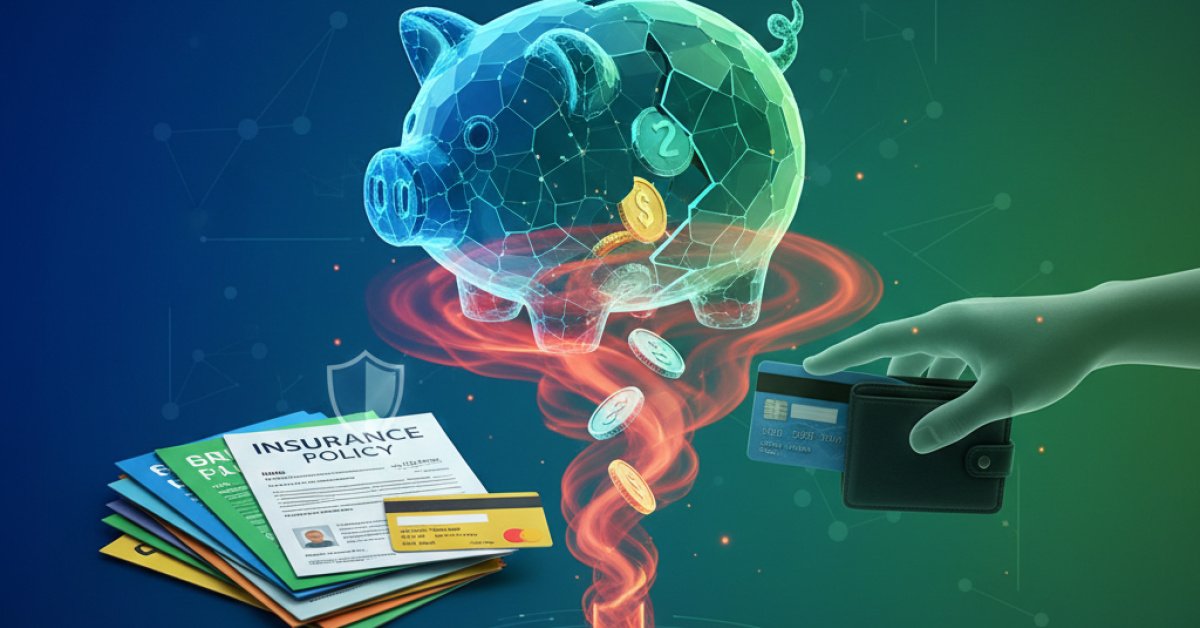
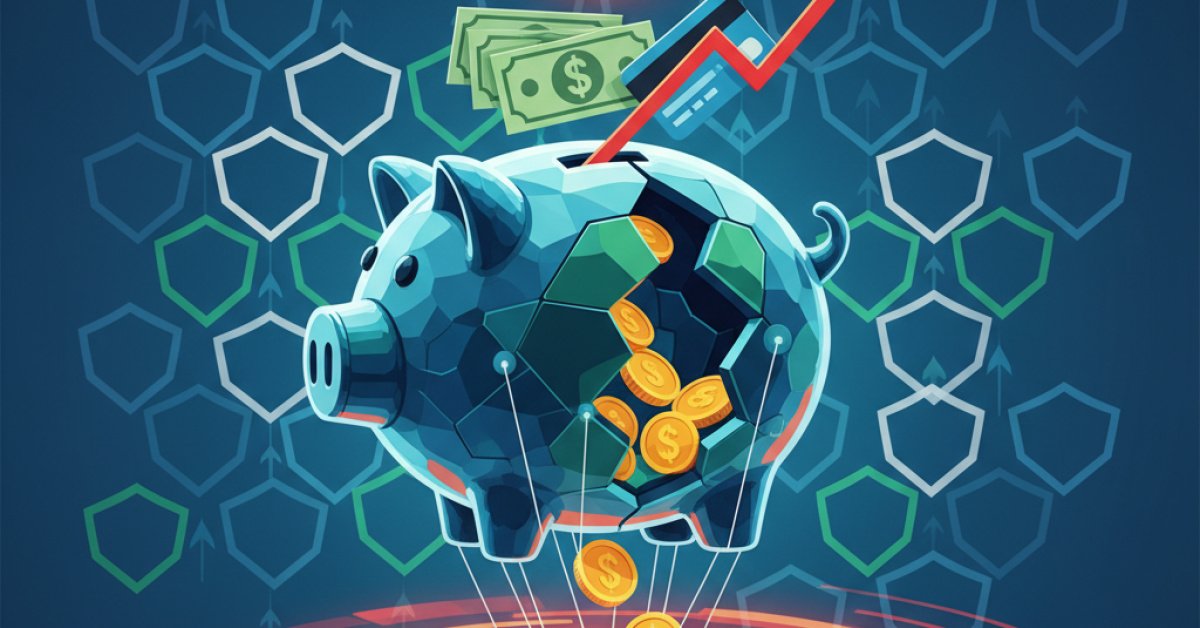
Here's the thing that gets lost in the shuffle: insurance isn't just a big pot of money. It's a shared pool. We all pay our premiums into that pool, and the money is there to help us when something truly bad and unexpected happens.
Think of it like a community pizza fund. Everyone chips in $2 a week. If someone’s lunch gets stolen, the fund buys them a pizza. It works great. But what happens when one person starts claiming their lunch was stolen every single day? Or they say they had a deluxe pizza with extra toppings when it was really just a slice of cheese?
Pretty soon, the fund runs dry. To keep it going, everyone has to start chipping in $3, then $4 a week. The honest people end up paying for the dishonest ones.
That’s exactly how insurance fraud works.
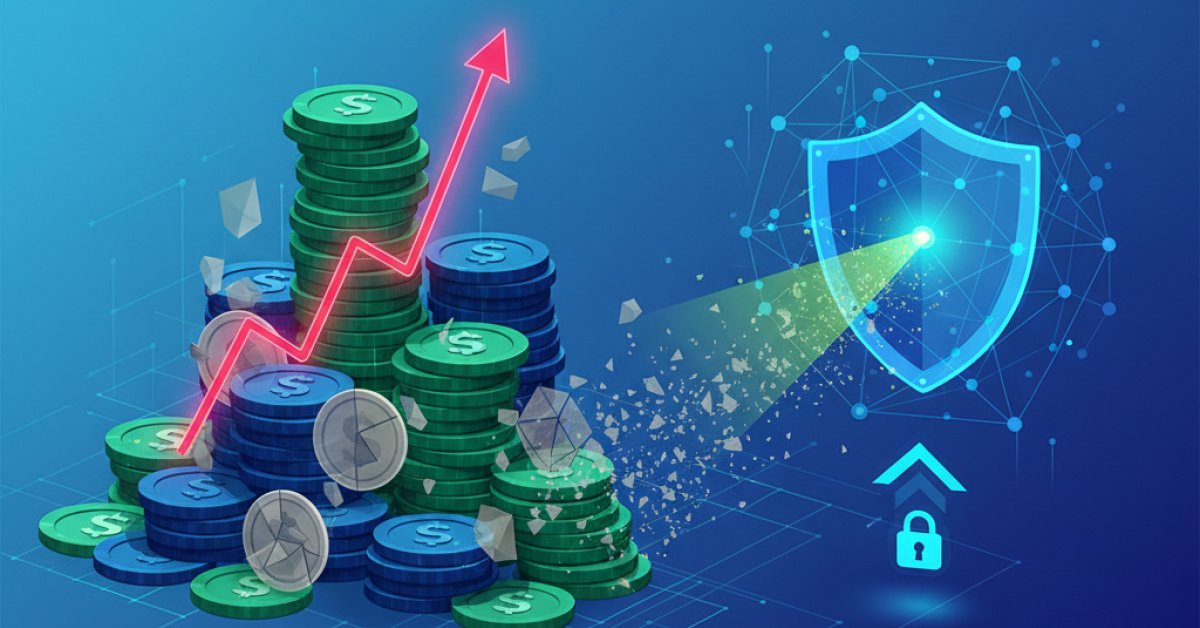
The NICB estimates that fraud costs us billions—yes, billions—of dollars every year. That money doesn't just vanish. Insurance companies have to make up for those losses somewhere, and they do it by raising premiums for everyone. That extra money you’re paying every month? A chunk of it is basically a "fraud tax." You're covering the cost of someone else's dishonesty.
Okay, I'm Fired Up. What Can We Actually Do?
This is the whole point of the NICB's new push. They want to move us from being passive victims of these rising costs to active participants in keeping the system honest. And the good news is, you don't need a detective's badge to make a difference.
It really boils down to being a smart, informed consumer. Here are the key things they're encouraging all of us to do:
1. Learn the Red Flags
Fraudsters often follow a script. Once you know what to look for, their tactics become a lot more obvious.
- High-Pressure Sales: A contractor who knocks on your door and pressures you to sign a contract right now is a huge red flag.
- "We'll Waive Your Deductible": It sounds great, but it's often a sign they're inflating the bill to your insurer to cover that cost, which is a form of fraud.
- Unsolicited Calls: If you get a call from someone claiming to be from your insurance company right after an accident—but you didn't call them—be very suspicious. They could be a "capper" trying to steer you toward a specific clinic or lawyer involved in a fraud scheme.
2. Protect Your Personal Info
Treat your insurance policy number like you treat your credit card number. Don't just hand it out to anyone. Dishonest people can use that information to file false claims in your name.
Before you hire a contractor or go to an auto shop, do a quick check. Look for reviews, see if they have a real physical address, and ask for proof of their own insurance. A legitimate business will have no problem providing this.
3. If You See Something, Say Something
This is the big one. The NICB and other insurance investigators rely on tips from regular people to uncover these schemes. If something feels off, it probably is.
Maybe a neighbor is bragging about how they scammed their insurance company. Or maybe a medical clinic is billing you for services you never received. Don't just ignore it.
You can report suspected fraud anonymously and safely. You can contact your insurance company's fraud department, your state’s insurance fraud bureau, or the NICB directly at 1-800-TEL-NICB. You won't get in trouble for reporting a suspicion that turns out to be nothing. It's always better to be safe than sorry.
At the end of the day, keeping insurance affordable and fair isn't just the job of the insurance companies. It's on all of us. By being a little more aware and willing to speak up, we can help shut down the people who are driving up costs for everyone. It’s our money, after all. It’s worth protecting.