We’ve all seen the footage. It’s one of those videos you can’t look away from—the massive container ship, the Dali, drifting helplessly before striking Baltimore’s Francis Scott Key Bridge, sending it crumbling into the water. It was a shocking, tragic event.
But for those of us in the insurance world, the story that’s unfolded since has been just as jaw-dropping, but for a completely different reason. The cause. Investigators have pointed to something so small, so mundane, it’s almost hard to believe.
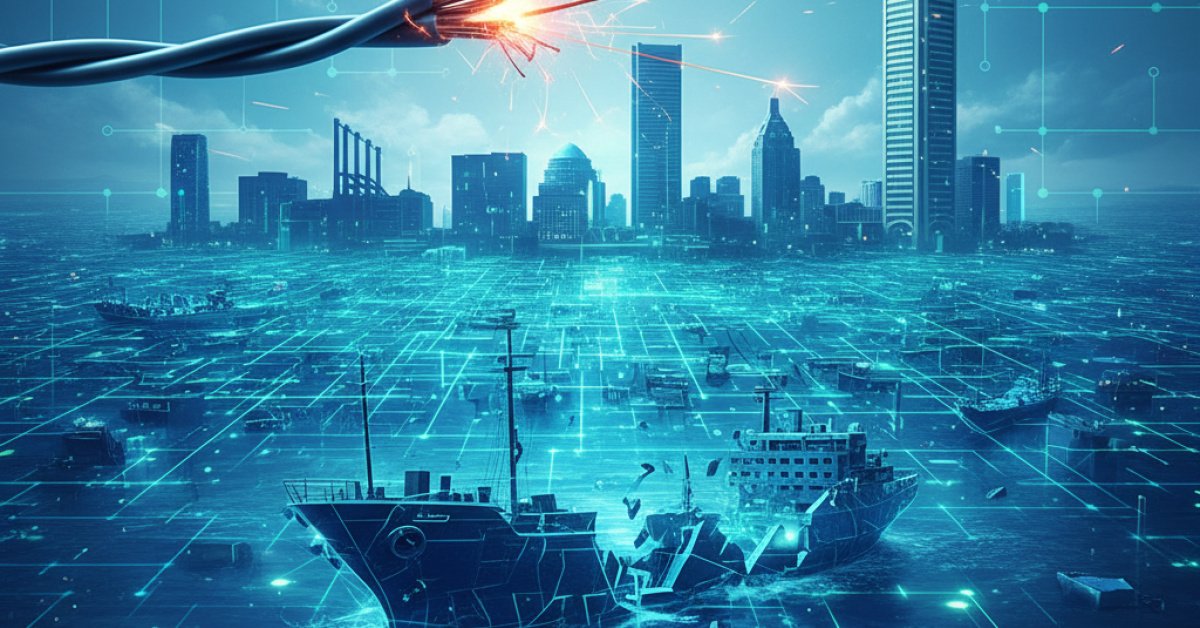
It wasn't a sophisticated cyber-attack or a once-in-a-century storm. It was, apparently, a single loose wire. A plastic label on that wire prevented it from being fully connected, leading to the electrical blackouts that left the 984-foot vessel without power at the worst possible moment. Think about that. A component that probably costs less than your morning coffee is now at the heart of a multi-billion dollar catastrophe. It’s a terrifying lesson in just how fragile our complex systems really are.
So, What Exactly Went Wrong?
Let’s quickly break down what investigators found, because it’s the key to understanding the insurance nightmare that followed.
The Dali experienced a power outage. The crew managed to restore it, but then it happened again. The problem was traced back to the ship’s electrical system. A specific wire wasn’t securely fastened. Why? A simple plastic tag was in the way, blocking a solid connection.
When that connection failed, it was like pulling the main plug on your computer. The ship’s main propulsion system shut down. The lights went out. The crew was left in the dark, wrestling with a 100,000-ton vessel that was now just a giant, unguided piece of steel floating toward a major bridge.
It’s the ultimate "single point of failure" scenario that keeps risk managers and underwriters up at night. It wasn't a cascade of errors, but one tiny flaw that triggered a total system collapse.
The Insurance Claim Cascade: A Perfect Storm of Losses
When something this big happens, you don't just have one insurance claim. You have a massive, complex web of them. It’s like a financial chain reaction, and the Dali incident has triggered almost every type of marine insurance policy you can think of.
Let's unpack the main ones:
1. The Ship Itself (Hull & Machinery)
This is the most straightforward part. The Dali itself was seriously damaged. The insurance that covers the physical vessel is called Hull & Machinery (H&M). Think of it as the comprehensive auto policy for a ship. This policy will respond to pay for the repairs to get the Dali seaworthy again. While this is a big number, it’s actually one of the smaller pieces of this enormous puzzle.
2. The Cargo on Board (Cargo Insurance)
The Dali was carrying thousands of containers filled with goods for companies all over the world. When the ship is stuck and the supply chain is broken, that cargo is at risk. Some of it might be damaged, some might spoil, and all of it is delayed. Each of those containers is likely covered by a separate cargo insurance policy, creating a mountain of paperwork and claims for dozens of different insurers.
3. The Big One: Third-Party Liability (P&I)
This is where the numbers get truly staggering. Protection & Indemnity, or P&I insurance, is the policy that covers the ship owner’s liability to others. And in this case, the "others" includes a whole lot of people and property.
P&I clubs (which are basically mutual insurance associations for shipowners) will be on the hook for:
- The Bridge: The cost to clear the debris and completely rebuild the Francis Scott Key Bridge. We're talking billions of dollars right there.
- Business Interruption: The Port of Baltimore is one of the busiest in the U.S. With the main channel blocked, no ships could get in or out. That means lost revenue for the port, for trucking companies, for logistics operators, and for every business that relies on that flow of goods. Those losses are enormous and claims will be flooding in.
- Loss of Life: Most tragically, the collapse resulted in fatalities. The liability claims for the loss of human life are a significant and somber part of this financial fallout.
- Environmental Cleanup: There’s always a risk of pollution when a vessel is damaged. P&I covers the cost of any cleanup needed to contain fuel spills or other contaminants.
When you add all of this up, experts are predicting the total insured loss could be anywhere from $2 billion to $4 billion, and possibly even higher. That would easily make this the largest single marine insurance loss in history, surpassing events like the Costa Concordia disaster.
A Wake-Up Call for the Entire Insurance Industry
An event like this doesn't just stay in the marine insurance world. The ripples are felt everywhere. For years, insurers have been warning about the growing risk of "aggregation"—where a single event can trigger a cascade of different losses across many lines of business. The Dali is a textbook example.
What does this mean for the rest of us?
Well, when insurers have to pay out a record-breaking claim, they have to get that money back somewhere. This is what we call a "market-hardening event." Here’s what we can probably expect to see:
- Higher Premiums: Marine insurance rates will almost certainly go up. Underwriters will be looking at their books and realizing the potential for catastrophic loss is even greater than they thought.
- Tougher Underwriting: Getting insurance for large vessels and complex supply chains is about to get a lot harder. Insurers will be demanding more rigorous maintenance records, more detailed risk management plans, and more proof that a ship is being run properly. That "single loose wire" will be on every underwriter's mind.
- Spillover Effect: This doesn't just affect shipping companies. When the cost of insuring goods in transit goes up, that cost gets passed down the line. It can eventually show up as slightly higher prices for consumers on imported goods.
Ultimately, the collapse of the Key Bridge is a stark and costly reminder of a simple truth: in our interconnected world, the smallest details matter. For the insurance industry, it's a brutal lesson in how a tiny, overlooked maintenance issue can spiral into a historic financial disaster. It proves that no matter how advanced our technology gets, risk often comes down to the simple, human element of making sure every wire is tight and every connection is secure.