Have you ever had that feeling? You know the one. Everything in your own house is in order—the bills are paid, the fridge is stocked, things are running smoothly. But you look out the window, and the sky is turning a very ugly shade of grey. You can see a storm brewing on the horizon.
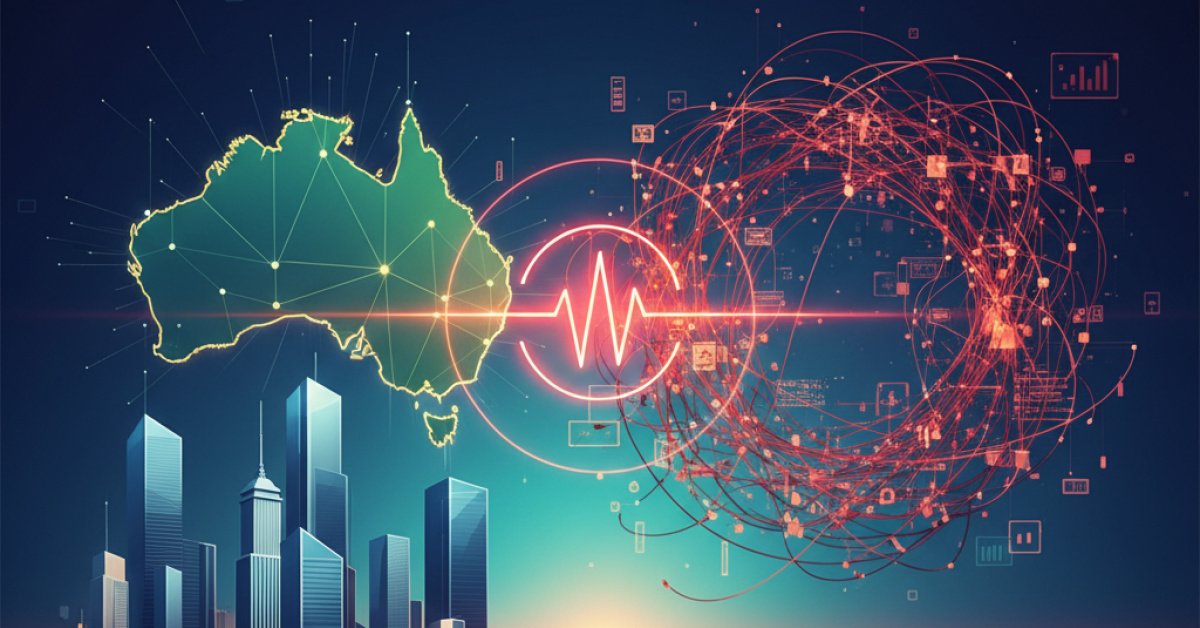
That’s pretty much the picture Australia’s top banking regulator just painted for our entire financial system.
They’ve put everyone on notice, saying that while we’re doing okay here at home, the risks coming from overseas are getting more serious. It’s a classic case of "it’s not you, it’s them," but when "they" are the rest of the world, we all need to pay attention.
So, let's unpack what this warning really means, without the confusing jargon. What’s going on, and why should you, as a business owner or just a concerned citizen, actually care?
So, What's Really Going On?
The official message from the regulator is that "geopolitical volatility" is high and isn't going away anytime soon. It’s a bit of a corporate-speak phrase, isn't it?
Think of it like this: the world's economic neighbourhood is getting a little rowdy. You've got ongoing conflicts, supply chains that are still recovering from a major shakedown, and economic wobbles in some of the world's biggest players. All of this creates uncertainty. And if there’s one thing financial systems hate, it’s uncertainty.
These aren't just abstract problems happening on the other side of the planet. They have a real knack for showing up on our doorstep in the form of:
- Supply Chain Headaches: A conflict overseas can suddenly make it harder or more expensive to get essential parts or products.
- Market Swings: A major economic downturn in a country that buys our stuff can hit Aussie businesses hard.
- Cyber Threats: Geopolitical tension often spills over into the digital world, with a rise in sophisticated cyber-attacks on businesses and infrastructure.
The regulator is essentially the neighbourhood watch captain, pointing to the brewing storm and telling everyone to make sure their windows are locked and their storm shutters are ready.
The Good News: Our Foundations Are Strong (For Now)
Now, before you start stockpiling canned goods, there's a really important part of this message: Australia is actually in a pretty good spot to handle these kinds of shocks.
Our financial system is like a well-built house. Over the years, regulators have made our banks hold more capital, which is basically a financial safety cushion. They’ve been "stress-tested" to make sure they can withstand a serious economic storm without falling over.
So, the foundation is solid. We have the resources and the structure to absorb a few big hits. That’s fantastic news, and it’s why there’s no need for panic. We’re starting from a position of strength.
But—and this is the part that has everyone paying attention—that strength isn't infinite.
Here’s Where the Cracks Could Appear
Resilience is great, but it can wear down over time if it’s constantly being tested. The regulator’s big warning is that if our financial institutions get complacent, this strength could be "eroded."
What does that look like in the real world?
Imagine that safety cushion I mentioned. If a whole series of unexpected problems hit at once—say, a sudden drop in property values, a big spike in loan defaults, and a major cyber-attack on a bank—that cushion could start to look pretty thin, pretty fast.
This is the scenario that keeps regulators up at night. They're worried that if banks and insurers don't remain vigilant, they might start taking on too much risk, thinking their current strength will protect them from anything. It's a classic case of getting a little too comfortable right when you should be most alert.
If that resilience starts to fade, we could see a credit crunch, where it becomes much harder for businesses and individuals to get loans. Or we could see the value of investments and assets fall. It's a domino effect, and the regulator is trying to stop the first domino from even wobbling.
What This Means for Your Business and Your Insurance
Okay, so what’s the takeaway for you? This isn’t just a high-level problem for bankers in Sydney and Melbourne. These kinds of warnings have a trickle-down effect that can impact your business and your personal finances.
This is a clear signal to move from a "set and forget" mindset to a proactive one. It's time to review your own financial "storm shutters."
For business owners, this is a crucial moment to think about your risk management. The threats the regulator is flagging—supply chain disruption, financial market volatility, cyber-attacks—are all things you can and should be insuring against.
Here are a few things to consider:
- Trade Credit Insurance: If you sell goods or services on credit, what happens if one of your major overseas customers suddenly can't pay due to economic or political turmoil in their country? Trade credit insurance is designed for exactly this scenario.
- Cyber Insurance: The link between geopolitical tension and cyber-attacks is undeniable. It's no longer just about random hackers; it's about sophisticated, often state-sponsored groups. Is your cyber policy up to the task of dealing with a major incident?
- Business Interruption Insurance: How resilient is your supply chain? If your key supplier overseas is knocked out of commission, how long can your business survive? It’s time to understand exactly what your business interruption policy covers and what it doesn't.
This isn't about being pessimistic; it's about being realistic. The world is a bit of a messy place right now. And while our country has done a great job of building a strong financial shelter, it’s up to each of us to make sure our own corner of that shelter is secure.
Think of it as a fire drill. You hope you never have to use it, but you're a lot better off if you've practiced the plan. Take this warning as a prompt to have a serious conversation with your insurance broker or risk advisor. Ask them the tough questions. Run through the "what if" scenarios. Because the time to check the strength of your roof is before the storm hits, not during it.