Let's be honest, have you looked at the news lately? It feels like we're all drinking from a firehose. Between the sticker shock at the grocery store, conflicts erupting overseas, and trying to figure out what on earth is going on with AI, it’s easy to see why some issues get pushed to the back burner.
Climate change seems to be one of them, at least in this election year's shouting match. It’s not the hot-button topic it was a few years ago.
But here’s the thing I've learned from years in the insurance world: just because something isn't leading the six o'clock news doesn't mean the risk has gone away. In fact, that’s usually when it gets more dangerous. And while the public might seem distracted, they haven't forgotten. Far from it.
The Elephant in the Room Is Still Here
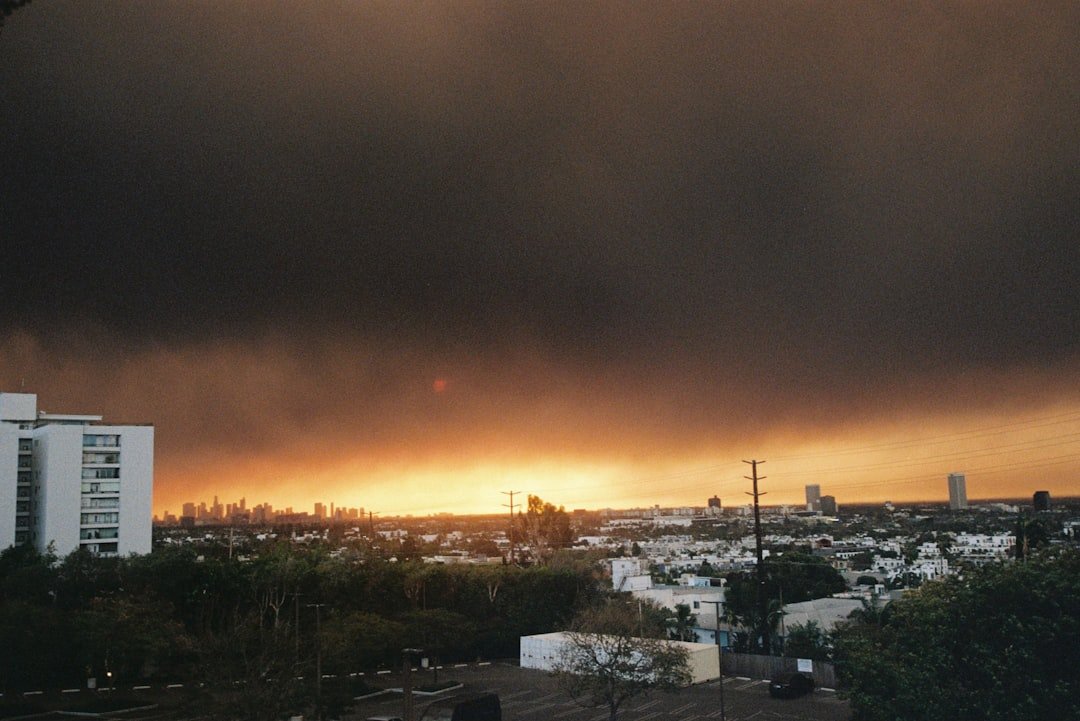
Even with everything else going on, a recent poll showed that more than half of Americans are still deeply concerned about climate change. They see the weird weather, the stronger storms, the fires that feel like they're getting closer every year.
They get it. The problem is real.
The disconnect, and the part that should have every single one of us in the insurance industry paying very close attention, isn't about whether the problem exists. It’s about a deep, growing doubt that our leaders will actually do enough to fix it.
Think about it. People are looking at the political gridlock, the slow pace of change, and the sheer scale of the problem, and they're throwing their hands up. There's a massive crisis of confidence. And when people lose faith in public institutions to protect them, where do they turn?
They turn to us. Or at least, they try to.
A Growing Distrust in a Coordinated Response
This isn't just political cynicism. It's a pragmatic assessment of the situation. People see promises made and deadlines missed. They see international agreements that feel more symbolic than substantial.
It’s like knowing you have a slow leak in your roof. You know it’s a problem, and you know it will eventually cause a catastrophe. The government is the landlord who keeps promising to send a roofer "sometime next quarter." Meanwhile, you're the one living inside, watching the water stain on the ceiling get bigger and bigger, wondering when you should start buying buckets.
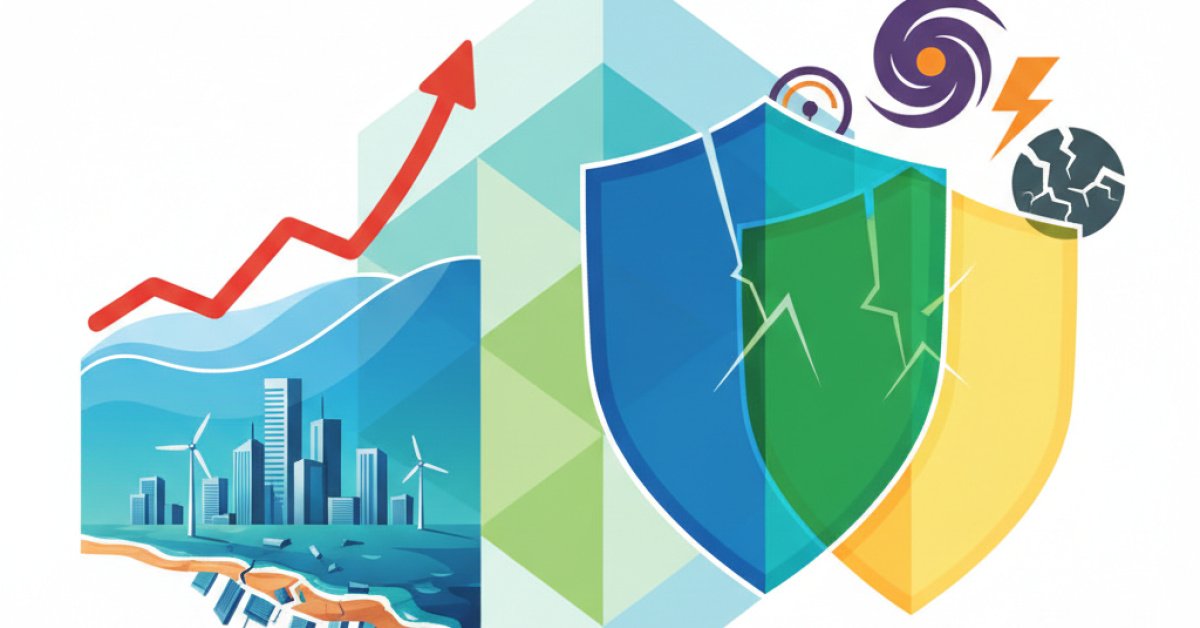
This skepticism creates a dangerous gap. A gap between the escalating risks we're facing—from hurricanes in Florida to wildfires in California—and the large-scale, coordinated action needed to mitigate them.
And who stands in that gap? The insurance industry. We’re the ones who write the checks when the "someday" problem becomes a "right now" disaster.
What This Means for Us on the Ground
When people don't believe their city will build a sufficient sea wall or their state will modernize the power grid to prevent fires, their risk calculation changes. It becomes much more personal. And that has huge implications for our business.
A Surge in Demand (and Desperation)
The first, most obvious effect is that people will look for private solutions. They'll want more robust homeowners policies, flood insurance (even when they're not in a designated flood zone), and any other coverage they can get to create a personal safety net.
On the surface, more demand sounds great, right? But it's not that simple. We're not selling widgets; we're selling a promise to pay for future events. And when those events become more frequent and more severe, the math starts to break down.
The Uninsurable Future
This leads us to the scariest part of this whole conversation. What happens when the risk becomes too big to insure?
We're already seeing it. Insurers are pulling back from high-risk areas in states like Florida, California, and Louisiana. It’s not because they don't want the business. It’s because the models show that the frequency and severity of claims are making it impossible to charge a premium that is both affordable for the customer and sustainable for the company.
This public doubt in government action is a preview of that future. If we don't have massive public investment in things like resilient infrastructure, better building codes, and managed retreat from coastlines, then private insurance simply can't carry the load alone. The bucket gets too big to buy.
A New Role for Insurers?
This puts us in a really tough, but also potentially powerful, position. If our customers don't trust governments to lead, maybe they'll trust the people who are financially on the hook.
We have an opportunity—and I'd argue, a responsibility—to step up. We can be more than just financial first responders. We can be proactive partners in resilience.
This could look like:
- Smarter Pricing: Offering significant premium discounts for homeowners who invest in fortifying their homes against wind, fire, or water.
- Public Advocacy: Using our data and our voice to push for stronger, smarter public policies and building codes. We have the numbers to prove what works.
- Customer Education: Helping people understand their true risk and the concrete steps they can take to reduce it, rather than just selling a policy and hoping for the best.
So, while the news cycle churns on about a dozen other things, this quiet, simmering public doubt about climate action is one of the biggest stories for our industry. It's a warning sign flashing on our dashboard.
It tells us that the future of risk is changing, and people's expectations of who will help them are changing, too. Ignoring it isn't an option. We have to be ready to answer the call, because a growing number of Americans suspect no one else will.