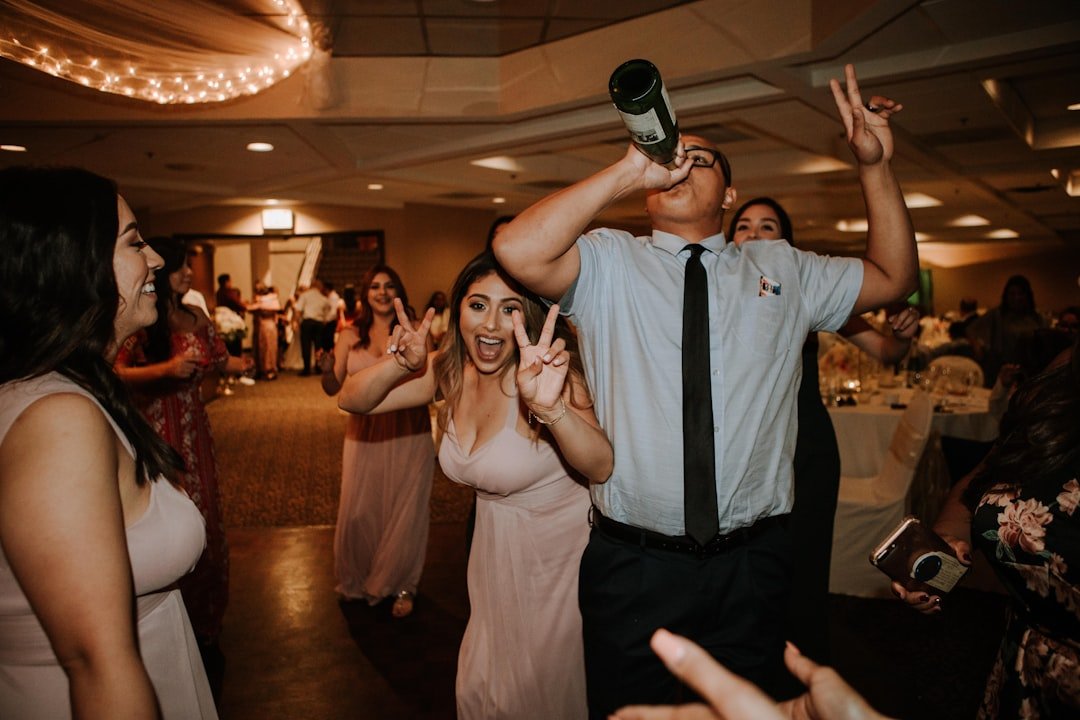
Picture this: It's a perfect wedding day. The music is great, everyone is laughing, and the happy couple is surrounded by their favorite people. The dance floor is packed. It’s that magical moment when joy is practically buzzing in the air.
And then, the unthinkable happens. The floor gives way.
That buzzing joy turns into screams and confusion. This isn’t a hypothetical scenario. It actually happened on a Saturday afternoon at a wedding venue in Tamworth, New Hampshire. Six people ended up in the hospital. Thankfully, their injuries weren't life-threatening, but you can only imagine the shock and trauma.
When I hear stories like this, my insurance brain immediately kicks into high gear. Beyond the immediate concern for everyone’s safety, a million questions pop up. Who is responsible? Who pays for the medical bills? What about the couple’s ruined day?
This is one of those nightmare situations where the invisible safety net of insurance becomes very, very real. So, let's walk through it together, just like we’re grabbing a coffee, and untangle who is on the hook for what.
The Venue's Big Problem: When Your Property Becomes a Liability
The first place everyone is going to look? The wedding venue. It’s their property, their floor, and ultimately, their responsibility to provide a safe environment for guests.
This is where a policy called Commercial General Liability (CGL) steps onto the scene. Think of CGL as the business world’s version of the liability coverage on your homeowner's or renter's policy, but on a much bigger scale. It’s designed for exactly this kind of thing: bodily injury or property damage that happens to a third party (in this case, the wedding guests) on your premises.
When those injured guests start racking up medical bills, the venue’s CGL policy is the first line of defense. The insurance company would investigate the claim to determine fault. Was it a hidden structural defect? Poor maintenance? Too many people on the floor? The investigation’s outcome is huge, but the CGL policy is what stands between the venue owner and potentially devastating lawsuits.
What does the CGL policy actually cover?
It’s not just about a quick payout. A good CGL policy would typically handle:
- Medical Payments: Covering the immediate medical costs for the injured guests.
- Legal Defense Costs: If the venue gets sued (and you can bet they will be), the insurance company pays for the lawyers and court fees, which can be astronomical.
- Settlements or Judgments: If the venue is found liable, the policy pays the damages awarded to the injured parties, up to the policy limit.
Now, what if the claims are massive? Six injuries could easily exceed the limits of a standard CGL policy, which might be $1 million or $2 million. That’s where a Commercial Umbrella policy comes in. It’s exactly what it sounds like: an extra layer of liability protection that sits on top of the CGL, kicking in only after the primary policy is exhausted. Smart venue owners don't operate without one.
And don't forget the building itself! The CGL policy covers injuries to people, but it doesn't cover the cost of repairing the collapsed floor. That's a job for the venue's Commercial Property Insurance, which covers damage to the physical building and its contents.
What About the Couple Who Planned the Wedding?
Okay, so the venue is clearly in the hot seat. But what about the couple? Could they be held responsible for anything?
It might seem unfair, but the answer is… possibly. It’s a legal gray area. If they knowingly crammed way more people onto the dance floor than was safe, or if they were somehow negligent in their choice of a venue known to be rundown, a lawyer could try to argue they share some of the blame. It’s a long shot, but it’s not impossible.
This is why Wedding Insurance (or Special Event Insurance) has become so popular.
Most people think wedding insurance is just for canceling the event if the bride gets sick or a hurricane hits. And it does cover that! But the other, equally important part is the liability coverage. If the couple gets sued because a guest gets hurt, this policy is designed to protect them. It could cover their legal fees and any damages they’re ordered to pay.
In a situation like the New Hampshire collapse, the couple’s wedding liability insurance would likely act as a secondary layer of protection, after the venue's much larger CGL policy. It’s peace of mind that costs a few hundred dollars but can save you from financial ruin.
If You Were a Guest, What Would You Do?
Let's put you in the shoes of one of the injured guests. You went to a wedding to celebrate, and you ended up in an ambulance. What happens now?
Your first step, of course, is getting medical care. You’d use your own Health Insurance for that. Your health plan would pay the doctors and the hospital upfront, just like they would for any other injury.
But here's the thing: your health insurer doesn't believe they should be the one ultimately paying for an injury caused by someone else's negligence. So, behind the scenes, they’ll use a process called subrogation. It’s a fancy word that just means they will go after the at-fault party’s insurance (the venue’s CGL) to get reimbursed for everything they paid for your care.
You would also likely file a personal injury claim directly against the venue’s CGL policy. This claim would be for things your health insurance doesn't cover, like:
- Your health insurance deductibles and co-pays.
- Lost wages if you couldn't work while recovering.
- Pain and suffering, which is compensation for the physical pain and emotional trauma of the event.
It’s a complicated process, and it’s why personal injury lawyers exist. They help navigate these claims to make sure the injured person is made whole again, at least financially.
The Unseen Ripple Effect
A disaster like this doesn't just affect the venue, the couple, and the guests. Think about all the other professionals who were there to make the day special.
What about the DJ whose expensive sound equipment crashed through the floor? Or the photographer whose cameras were smashed? Their own Business Owner's Policy (BOP) or Commercial Property Insurance would need to cover the damage to their gear. They could then try to get their deductible back from the venue’s insurer.
It's a messy, tangled web of claims and policies. Each person and business involved has to turn to their own insurance first, and then the insurers all point fingers at each other to figure out who is ultimately responsible for paying the bill.
It’s All About Being Prepared
Look, nobody wants to think about their wedding or special event ending in disaster. It’s supposed to be one of the happiest days of your life.
But stories like this are a powerful reminder that things can, and do, go wrong. Insurance isn't about being negative or expecting the worst. It’s about creating a financial backstop so that when the worst happens, a terrible situation doesn't become a financially catastrophic one.
For venue owners, it’s about having robust liability and property coverage. For couples, it’s about the small investment in wedding insurance. And for all of us, it’s about understanding that this invisible shield is what allows us to gather, celebrate, and dance—knowing that if the floor literally falls out from under us, there’s a plan in place to help pick up the pieces.