You probably don’t think much about the physical cables that connect our digital world. I get it. We tap our phones, open our laptops, and the internet is just… there. But it’s not magic. It's a massive, fragile network of undersea fiber optic cables snaking across the ocean floor.
And sometimes, they break.
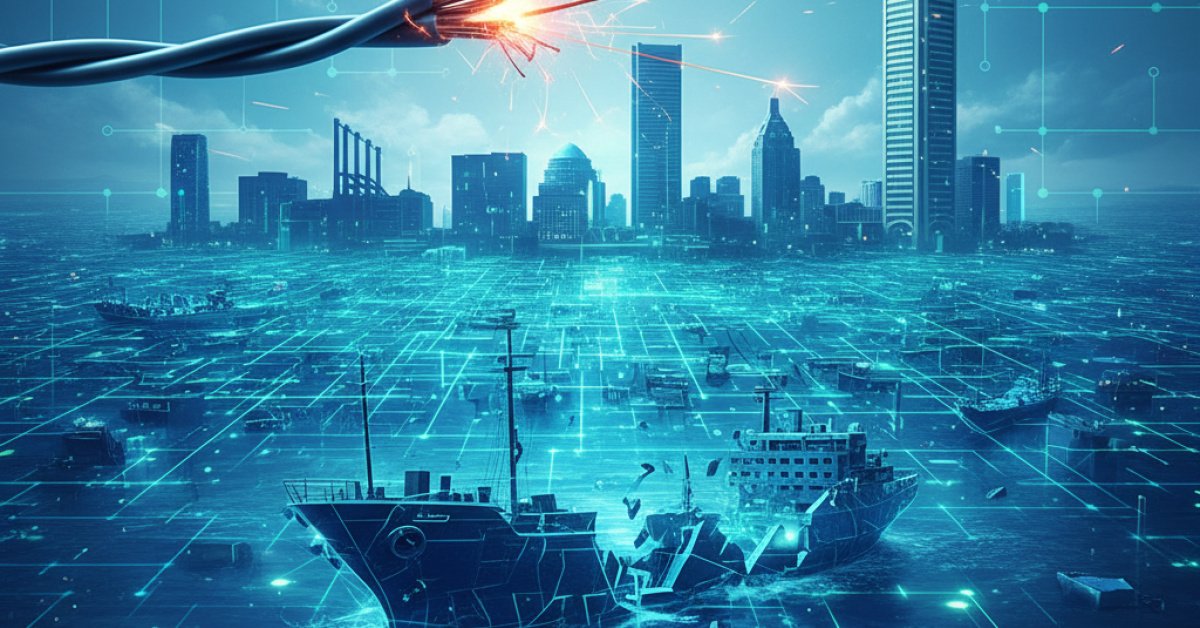
That’s exactly what just happened in the Gulf of Finland. A critical telecommunications cable connecting Finland and Estonia was damaged, and authorities have seized a vessel they suspect is responsible.
Now, while the news channels are talking about geopolitics and data disruptions, I see something else entirely. I see the starting gun for a massive, incredibly complex, and fascinating insurance claim. This is one of those real-world events that perfectly illustrates what we in the insurance world actually do.
So, let's pull back the curtain. Forget the headlines for a minute and talk about what happens next, because a whole army of adjusters, surveyors, and lawyers are about to get very, very busy.
So, What's the Big Deal?
First, let's be clear about the stakes. Repairing a subsea cable isn't like calling your local electrician. It involves specialized ships, remotely operated vehicles (ROVs), highly skilled technicians, and, of course, a whole lot of new, very expensive fiber optic cable.
We're talking about a bill that can easily run into the tens of millions of dollars. And that's just for the physical repair.
Then you have the secondary costs. What about the businesses that relied on that data connection? They could be facing their own losses, a classic case of business interruption. The whole thing is a financial hornet’s nest.
The central question for everyone involved is simple, yet incredibly complicated: Who pays for all this?
The Insurance Investigation Begins
Right now, two investigations are happening. The first is the official one by the Finnish authorities to determine what happened and if any laws were broken.
The second is the insurance investigation. This one is all about liability.
Think of it like a car accident. If someone rear-ends you, their auto liability insurance is supposed to pay for your car repairs. This is the same principle, just on a much, much bigger scale, involving ships and critical infrastructure instead of a Toyota and a Ford.
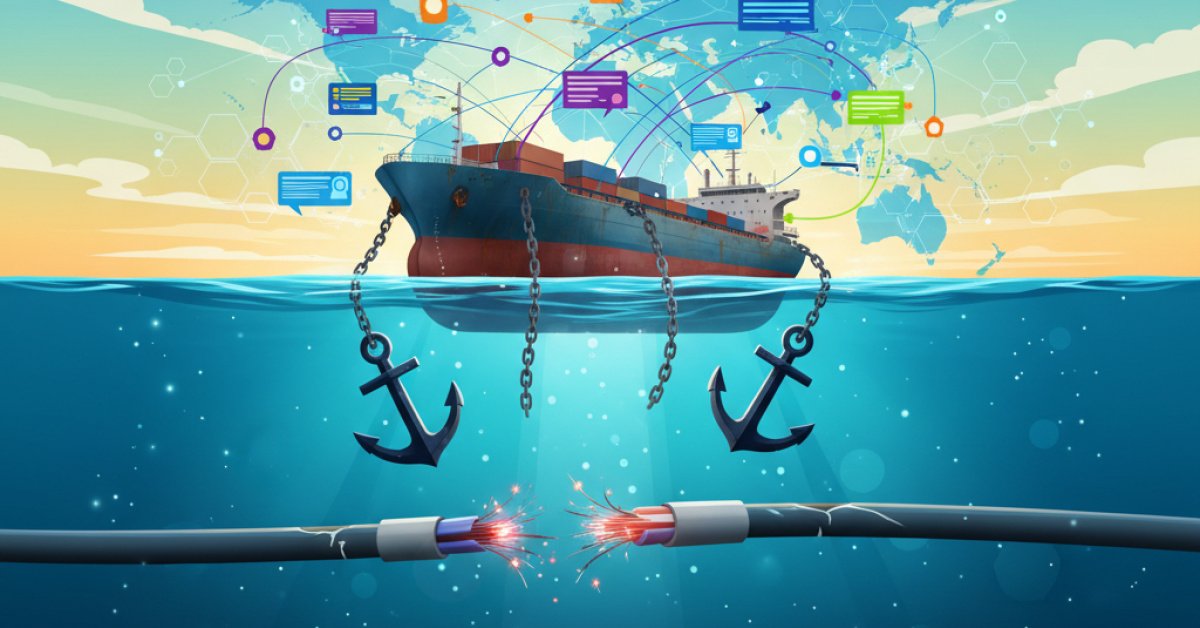
The first step is figuring out the cause. Was it an accident? Did a ship unknowingly drag its anchor across the cable? Or was it something more intentional? The answer to that question changes everything from an insurance perspective.
A Tangled Web of Policies
Assuming a ship is found to be at fault, we're likely looking at a few key types of insurance policies that will come into play. It’s not just one simple policy; it's a layered system of coverage.
The Ship Owner’s Coverage
If the detained vessel is found responsible, its owners will be leaning heavily on their marine insurance. This usually breaks down into two main parts:
-
Hull & Machinery (H&M): This is basically the "collision coverage" for the ship itself. It pays to repair damage to the vessel. In this case, it’s not the main policy of interest, but it’s part of the ship’s overall insurance package.
-
Protection & Indemnity (P&I): This is the big one. P&I insurance is the liability coverage for shipowners. It’s often provided by "P&I Clubs," which are mutual insurance associations run by the shipowners themselves. P&I covers a shipowner’s liability for damage to third parties.
And guess what one of the most classic P&I claims is? Damage to "Fixed and Floating Objects" (FFO). That includes things like docks, buoys, and, you guessed it, subsea cables. If the ship’s anchor or fishing gear snagged and broke that cable, their P&I Club is going to get a very expensive phone call.
The Cable Owner’s Coverage
The company that owns the telecom cable isn't just sitting around hoping the ship's insurance pays up. They have their own policy.
This would typically be a specialized form of Property Insurance or a dedicated Subsea Cable Insurance policy. This is their first line of defense. Their policy is designed to pay for the cost of repairs and get the cable back online as quickly as possible.
The Subrogation Shuffle
So if the cable owner has their own insurance, why does it matter if the ship was at fault?
Here's where a key insurance concept called subrogation comes in.
Imagine this: The cable owner’s insurer pays out $20 million to get the cable fixed. They’ve done their job and made their client whole. But they’re not just going to eat that cost. They will then "step into the shoes" of the cable owner and go after the party that was at fault—in this case, the ship owner.
They will file a claim against the ship owner’s P&I insurance to get that $20 million back. This whole process is a slow, methodical dance between different insurance companies, each trying to defend their client and their own bottom line.
The "Oops" vs. "On Purpose" Problem
Now, here’s a massive wrinkle. Most insurance policies are designed to cover accidents—what we call "fortuitous" events. An anchor dragging in a storm is a perfect example. It's unforeseen and accidental.
But what if the investigation finds the damage was deliberate?
This is where things get really messy. Standard P&I and property policies often have exclusions for malicious acts, sabotage, or acts of war. If the damage falls under one of those exclusions, the standard insurers could deny the claim.
In that scenario, the claim might fall to even more specialized policies, like those covering war risks or terrorism, which are a completely different market. The burden of proof becomes much higher, and the path to getting paid becomes much, much harder.
This is why the official investigation is so critical. Its findings on intent will have enormous financial consequences that ripple through the entire global insurance market.
This incident in the Gulf of Finland is more than just a blip in the news cycle. It's a real-time case study in risk management and the invisible financial systems that underpin our world. While we see a broken cable, the insurance industry sees a complex puzzle of liability, coverage, and recovery.
It’s a stark reminder that our connected world is physically fragile and that when things break, it’s the quiet, careful work of insurers that helps put the pieces back together.