I was scrolling through the news the other day, just catching up, when a headline stopped me in my tracks. It wasn't flashy, but the implications were huge. It said global carbon dioxide emissions from fossil fuels are set to hit a new record high this year.
Honestly, it’s the kind of headline we’ve all seen before, and it’s easy to feel a little numb to it. Another report, another scary number. But as someone who's spent their career in and around the insurance world, I couldn't just brush it off.
Because for us, this isn't some far-off environmental issue. It's a flashing red light on our risk dashboard. It’s a direct challenge to our models, our balance sheets, and the promises we make to our clients. This isn't about polar bears; it's about property values, business continuity, and the fundamental question of what's insurable in the world we're creating.
First, Let's Look at the Sobering Numbers
So, what did this report actually say? The numbers are pretty stark.
Global CO2 emissions are projected to hit 38.1 billion tons this year. That’s a new all-time high. And it represents a 1.1% increase from last year.
Now, a 1.1% jump might not sound like a lot. But think of it like this: Imagine you're trying to slow down a massive freight train, and instead of hitting the brakes, you accidentally nudge the accelerator. That’s what’s happening. Despite all the pledges, the green initiatives, and the global conferences, the train is still speeding up.
This tells us that the transition to a low-carbon economy isn't happening nearly fast enough to offset the old ways of doing things. And for the insurance industry, which is built on predicting the future, that's a massive problem. Our historical data—the very foundation of underwriting—is becoming less and less reliable.
Why This Is a Code Red for Insurance
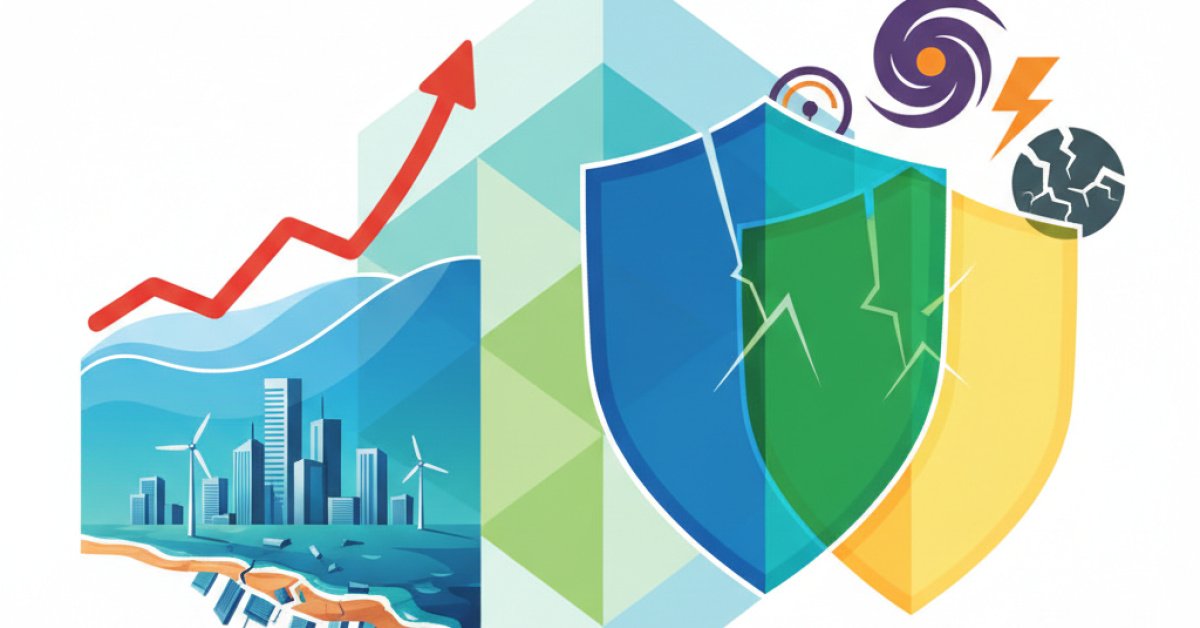
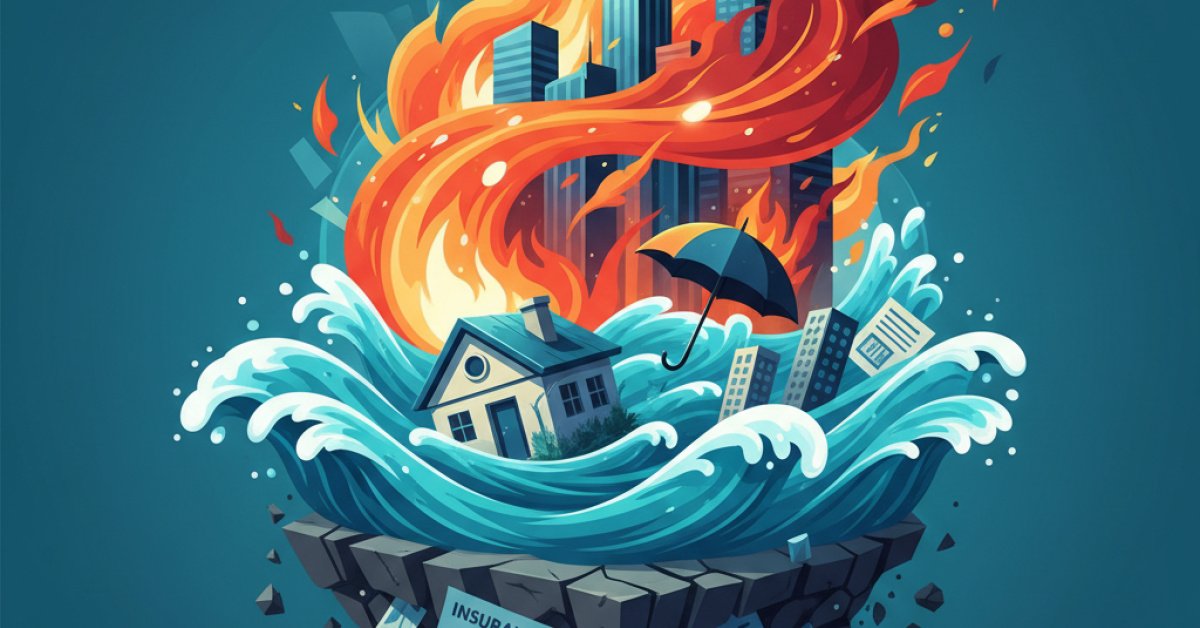
Okay, so the planet is getting warmer. Why is this a five-alarm fire specifically for our industry? It really boils down to three types of risk that are all getting worse at the same time.
1. The Obvious One: Physical Risk is Off the Charts
This is the one we all see on the nightly news. More CO2 in the atmosphere acts like a blanket, trapping heat and supercharging our weather systems.
What does that look like on the ground?
- Wildfires that aren't just a "season" anymore but a year-round threat. We've seen entire towns in California, Canada, and Australia wiped off the map.
- Hurricanes that intensify with terrifying speed, bringing not just wind but catastrophic flooding far inland. Think about the devastation from storms like Ian in Florida.
- "Rain bombs" and floods in places that never had to worry about them before. We're seeing historic flooding in Europe, the Midwest... you name it.
- Severe convective storms—that’s the industry term for intense thunderstorms with hail and tornadoes—are causing billions in losses every single year.
For property and casualty insurers, this is a nightmare. Claims are exploding. The cost of rebuilding is skyrocketing due to inflation and supply chain issues. And reinsurers—the companies that insure the insurance companies—are getting hammered, which means they're charging a lot more for their coverage.
That cost, inevitably, gets passed down to homeowners and businesses in the form of higher premiums. Or worse, in some high-risk areas, coverage is simply being pulled altogether. We're seeing it happen in Florida and California right now. The risk is just becoming too high to price.
2. The Sneaky One: Transition Risk
This one is a little less obvious but just as dangerous. Transition risk is all about the financial fallout from the shift to a greener economy.
Imagine you’ve insured a company that has a massive fleet of gas-guzzling trucks. What happens when new emissions regulations make that fleet obsolete overnight? Or what if you provide Directors & Officers (D&O) liability for a company that fails to disclose its climate risks to investors, and then gets sued when its stock price tanks?
This is already happening. Companies that are slow to adapt are facing huge financial and legal challenges. And as an insurer, if you're backing those companies, you're exposed to those losses. It creates a whole new layer of underwriting complexity that we're all still trying to get our arms around.
3. The Legal One: The Coming Wave of Climate Lawsuits
This might be the biggest sleeping giant of them all. We are seeing a huge increase in "climate litigation," where companies and even governments are being sued for their role in causing climate change or for failing to protect people from its effects.
Think about it. If a coastal community is wiped out by a storm surge made worse by sea-level rise, who is liable? The companies that contributed to the emissions? The local government that approved the development?
This opens up a massive can of worms for liability insurance. General liability, professional liability, D&O—all of these policies could be triggered by climate-related lawsuits. It's a brand new frontier of legal risk, and the industry is bracing for impact.
So, What Does This Mean for You and Your Clients?
At the end of the day, this all funnels down to a few key things that affect everyone.
First, premiums are going to keep going up. It’s simple math. When an insurer's losses and costs increase, they have to charge more to stay in business. The days of cheap, easy property insurance are likely over, especially in higher-risk areas.
Second, getting coverage is going to get harder. We'll see more insurers pulling out of certain markets, like wildfire-prone parts of California or flood-prone coastal regions. We'll also see policies with higher deductibles and more exclusions. You might have coverage, but it might not cover the one thing most likely to happen to you.
This isn't just a problem for individuals; it's a massive economic problem. If you can't get insurance on a property, you can't get a mortgage. If a business can't get insurance, it can't operate. This has the potential to destabilize entire real estate markets and local economies.
The latest CO2 report is just more fuel on that fire. It’s a clear signal that the underlying risks are not only not improving, but they are actively getting worse.
We're at a point where the very model of insurance—spreading risk across a large pool of people—starts to break down when the risk becomes too concentrated and too certain. If a catastrophic event is no longer a question of "if" but "when," how do you even price that?
This is the existential question our industry is grappling with right now. It's a massive, complicated challenge. But if there’s any industry built to understand and manage risk, it’s ours. We have the data, the capital, and the expertise to help lead the way. It's just a matter of moving fast enough, and this latest report is a stark reminder that we're already behind schedule.