You’ve probably seen the headlines floating around about a new “billionaire tax” proposal in California. It sounds like a big, political story that’s easy to scroll past if you’re not a billionaire, right?
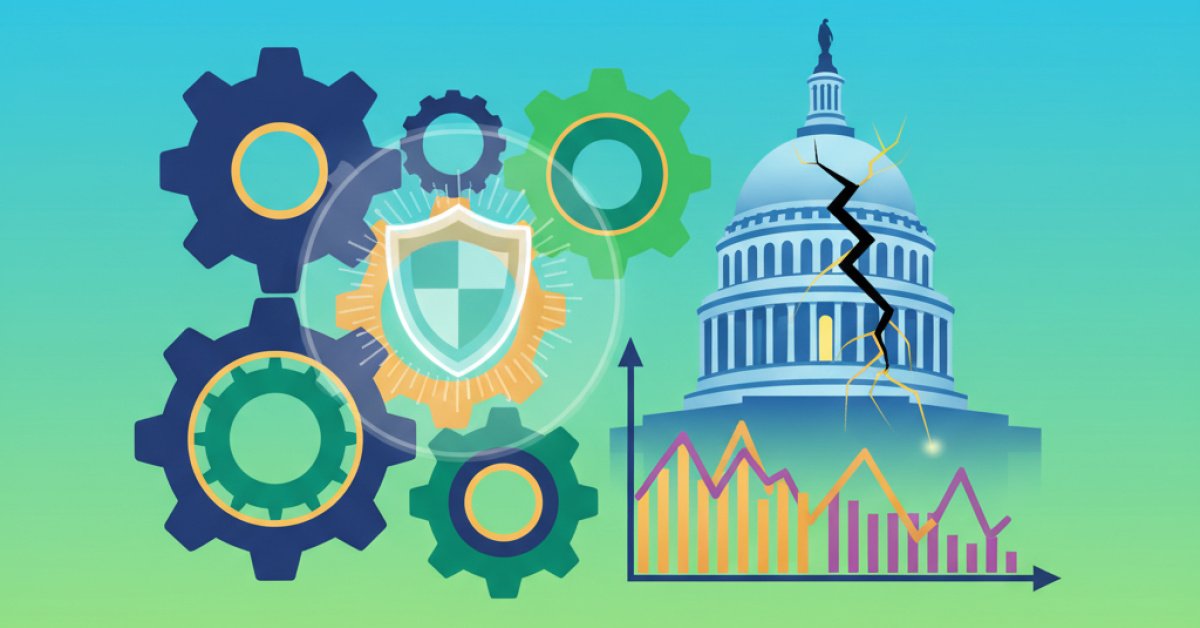
But hang on a second. For those of us who live and breathe insurance, this is one of those moments where you need to lean in a little closer. This isn't just about taxing the super-rich. It’s a potential tremor that could send ripples through our entire industry, from the complex world of high-net-worth estate planning to the very foundation of public health funding.
So, let's grab a coffee and talk about what’s really going on here, and more importantly, why you and I should be paying very close attention.
First Off, What's Actually Being Proposed?
Alright, let's get the basic facts on the table. A major labor union, the Service Employees International Union (SEIU) Healthcare Workers West, is backing a proposal that’s looking very likely to land on the November ballot here in California. They’ve announced they have more than enough signatures to make it happen.
In a nutshell, the measure would slap a temporary new tax on the state’s wealthiest residents. We’re talking about a small handful of people, but the numbers involved are, as you can imagine, massive.
The goal? To raise a whole lot of money to pour into public health initiatives and pandemic prevention. It’s a bold move, and it’s sparking a ton of debate. But the political back-and-forth isn't our focus today. We need to look under the hood and see how this engine could drive change in our world.
The Immediate Impact: A Scramble in High-Net-Worth Planning
If you work with high-net-worth (HNW) or ultra-high-net-worth (UHNW) clients, your ears should be perking up right now.
For these individuals, insurance isn't just a safety net—it's a sophisticated financial instrument. They use things like Private Placement Life Insurance (PPLI) and complex trust structures to manage, grow, and transfer wealth in a tax-advantaged way. It's a cornerstone of their entire financial strategy.
Now, imagine throwing a brand-new wealth tax into that equation.
Suddenly, the conversations you’re having with these clients are going to change dramatically. A tax like this could make those existing insurance strategies even more critical. The tax-deferred growth offered by certain life insurance products becomes exponentially more attractive when other assets are being taxed annually.
We could see a surge in demand for:
- Estate Planning Reviews: Clients will be scrambling to reassess their trusts and wealth transfer strategies. Life insurance is often the engine that makes these plans work, providing liquidity to pay estate taxes without having to liquidate assets. A new tax adds a whole new layer of urgency.
- Sophisticated Life Insurance Products: We're not talking about a simple term policy. This is where products that act as investment vehicles, shielded from certain taxes, will take center stage.
- Relocation Risk Assessment: Let’s be real. Some wealthy individuals might consider leaving the state. This creates a whole different kind of conversation. What does that mean for their property and casualty coverage on California homes? Their liability exposure? It’s a complex web, and we, as insurance pros, are right in the middle of it.
This isn't just a tax; it's a catalyst. It forces a re-evaluation of risk, wealth, and the tools used to protect them.
The Ripple Effect: What Happens to the Rest of the Market?
Okay, so the impact on the ultra-wealthy is pretty clear. But what about the rest of us? The money raised from this tax is specifically earmarked for public health. And that, my friends, connects directly to the broader insurance landscape.
Think of it like this: a massive injection of cash into California's public health system could have some fascinating downstream effects.
For one, it could bolster programs like Medi-Cal and other public health services. If these systems are better funded and more effective, it might reduce some of the strain on the private health insurance market. It could potentially lead to a healthier population overall, which in turn could impact everything from health insurance premiums to workers' compensation claims. A healthier workforce means fewer claims, right?
It also raises questions about the future of pandemic preparedness. The proposal explicitly mentions funding for preventing the next public health crisis. For an industry that took a major hit from business interruption claims and other pandemic-related losses, any serious, funded effort to prevent a repeat is a very big deal. It could influence how underwriters price risk for future pandemics and change the conversation around what kind of coverage is even possible.
It's Not All Smooth Sailing, Though
Of course, this isn't a simple cause-and-effect story. There are a ton of "what ifs" to consider.
The most obvious one is the risk of capital flight. If a significant number of billionaires do decide to pack up and move to states with a friendlier tax code, like Nevada or Texas, what happens then?
California could lose a huge chunk of its tax base, not just from this new tax but from income and property taxes, too. That could impact the state's budget in ways that have nothing to do with this proposal. For the insurance industry, it would also mean the loss of massive personal lines accounts—think mega-mansions, car collections, and huge personal liability policies. That's a lot of premium walking out the door.
There's no easy answer here, and honestly, economists on both sides are arguing about what the most likely outcome will be. But it’s our job to think through these scenarios and be ready to advise our clients and steer our businesses, no matter which way the wind blows.
So, as we head toward November, keep an eye on this one. It’s more than just a headline. It’s a real-world test case for a new kind of public policy, and the results—whatever they may be—will undoubtedly show up in our day-to-day work. It’s a reminder that the world of insurance never sits still; it’s constantly reacting to the changing world around it. And that's what makes it so challenging, and so interesting.