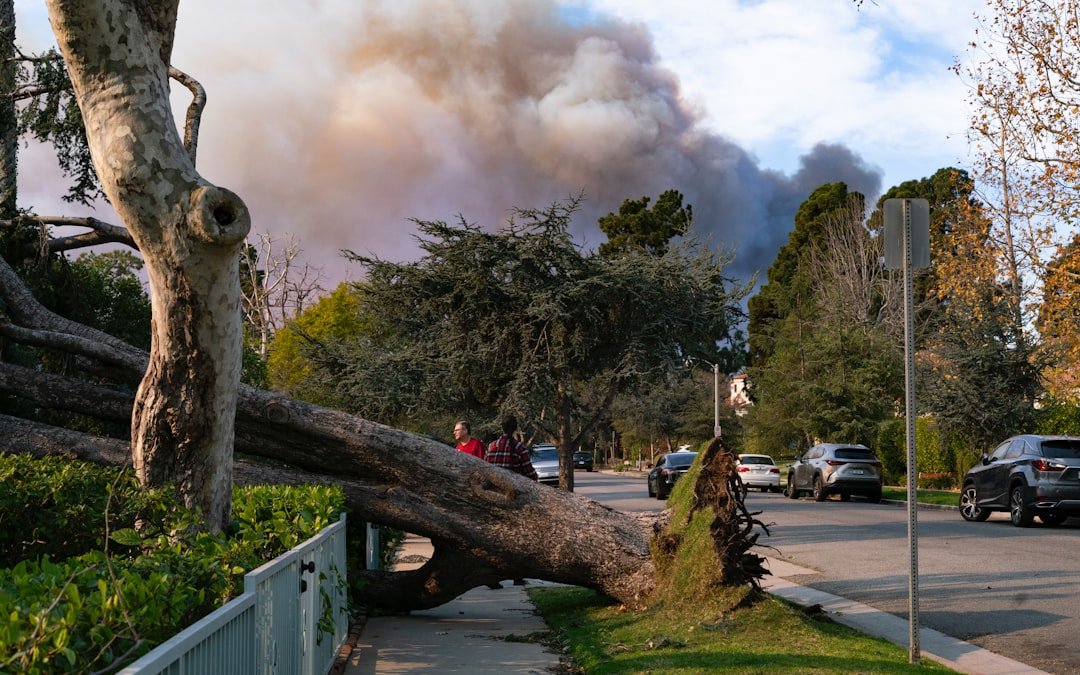
Imagine the unimaginable happens. A wildfire tears through your neighborhood, and you lose your home. Everything you’ve worked for is gone in a cloud of smoke. After the initial shock wears off, you start the long, painful process of rebuilding. You file your insurance claim, ready to get started.
But then, you hit a wall. And surprisingly, it’s not just the insurance company. It’s your bank. The one that holds your mortgage.
This isn’t a hypothetical nightmare. It’s a reality for countless families, and it’s a situation that has now officially caught the attention of the White House. It’s a story about more than just a fire; it’s about the complex, and often frustrating, financial maze you have to navigate when disaster strikes.
So, What Sparked This White House Intervention?
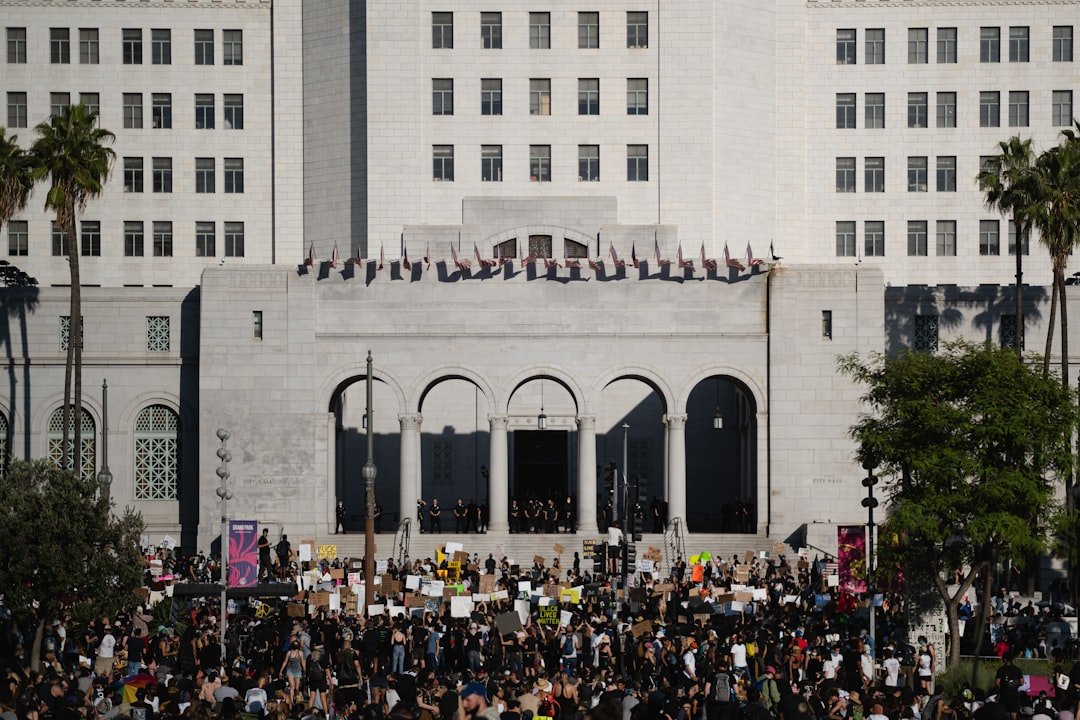
It all started with a meeting. President Donald Trump recently sat down with Los Angeles Mayor Karen Bass and other officials to talk about the aftermath of last year’s devastating wildfires.
You can picture the scene: city leaders, likely armed with stories from frustrated residents, explaining the bottlenecks that are keeping families from rebuilding their lives. And a major theme emerged from that conversation: the role of the banks.
Following the meeting, President Trump made a clear statement. He said he would be looking into the actions of these financial institutions. This isn't just a casual promise; it's a signal that the highest level of government is hearing the cries for help from homeowners who feel trapped.
Why Are Banks Even Part of This Conversation?
This is a question I get a lot. When your house burns down, isn't it just between you and your insurance company? Well, not exactly.
Think of it like this: your home is the bank's investment, too. They gave you a mortgage, and that loan is secured by your property. When the property is destroyed, their investment is suddenly at risk.
So when the insurance company writes a big check to cover the damage, it’s often made out to both you and your mortgage lender. The bank has a legal right to that money to ensure it’s actually used to rebuild the house, restoring the value of their collateral.
Here’s where the problems begin for so many people:
- Holding the Funds: Banks often place the insurance money into an escrow account. They then release the funds in stages as construction progresses.
- The Inspection Gauntlet: To get that money released, you have to deal with inspections, paperwork, and a whole lot of red tape, all while trying to manage contractors and live in temporary housing.
- Delays and Confusion: For a homeowner who has just been through a major trauma, this process can be an absolute nightmare. The delays can feel endless, and the rules can be incredibly confusing.
It’s this very process that seems to be at the heart of the complaints that reached Mayor Bass and, ultimately, the President. The concern is that banks, in trying to protect their own financial interests, are inadvertently (or maybe not so inadvertently) making a terrible situation even worse for fire victims.
What Could a Federal Probe Actually Accomplish?
Let’s be real for a second. A presidential announcement to "look into" something can mean a lot of things. Sometimes it’s just politics. But in this case, it could have some real teeth.
A federal investigation could put a massive spotlight on the post-disaster practices of the banking industry. Regulators could start asking some tough questions:
- Are these processes for releasing funds fair and transparent?
- Are banks communicating clearly with homeowners who are under immense stress?
- Are there unnecessary delays that are actively harming the recovery effort?
The best-case scenario? This probe could lead to standardized, more compassionate rules for how mortgage lenders handle insurance payouts after a natural disaster. It could force banks to streamline their processes, cut the red tape, and get money into the hands of homeowners faster.
Even just the threat of an investigation can be enough to make companies re-evaluate their policies. No bank wants the negative press that comes from being painted as the villain in a disaster recovery story.
For the thousands of families in Los Angeles still trying to piece their lives back together, this is more than just a headline. It’s a glimmer of hope that someone with power is finally listening. The road to recovery after a wildfire is already long and difficult. The last thing anyone needs is a roadblock from the very institution that should be a partner in their rebuilding journey. We’ll all be watching to see if this promise translates into real, meaningful change.