You probably saw the headline pop up on your phone: a freight train derailed in Connecticut, sending cars filled with liquid propane tumbling into a river. The first thought for most people is, understandably, "Is everyone okay?" followed by, "Is that stuff going to explode?"
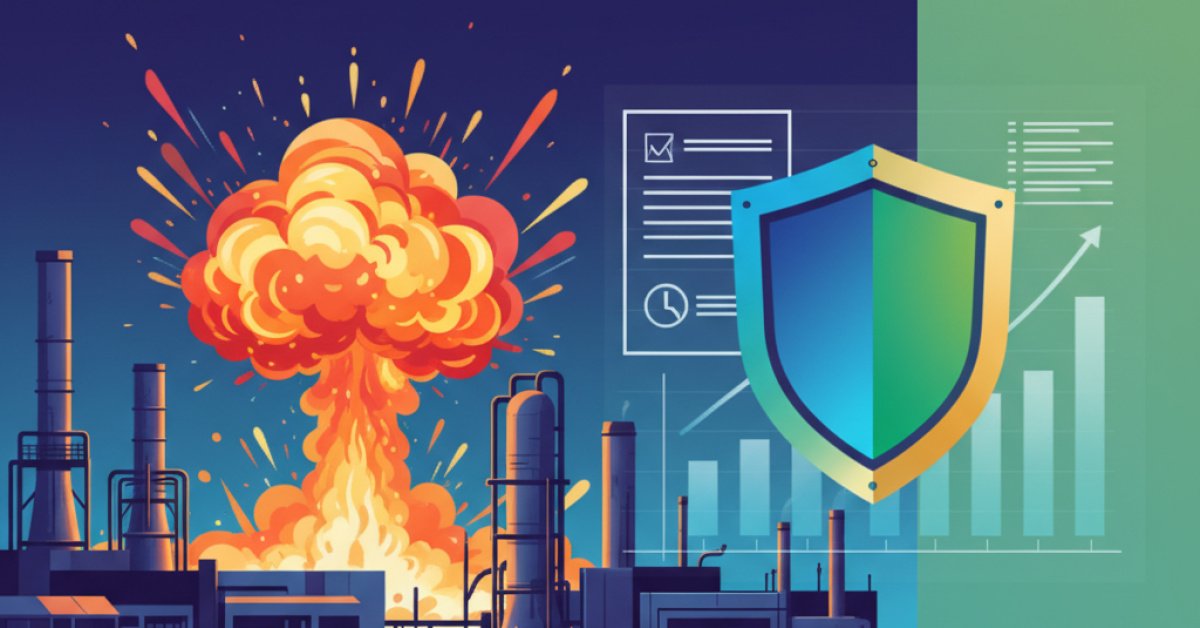
And those are the right questions to ask. But for me, and for anyone who’s spent time in the insurance world, a different set of gears starts turning. When I see a story like that, I don’t just see twisted metal and a potential environmental hazard. I see a massive, invisible clock start ticking on what will likely be millions upon millions of dollars in insurance claims.
It’s a perfect real-world example of why insurance exists in the first place. Not for the little stuff, but for the complex, chaotic, and incredibly expensive disasters that can unfold in a split second. Let's pull back the curtain and look at what’s really happening behind the scenes from an insurance perspective.
So, Who Pays for a Mangled Train and a Torn-Up Track?
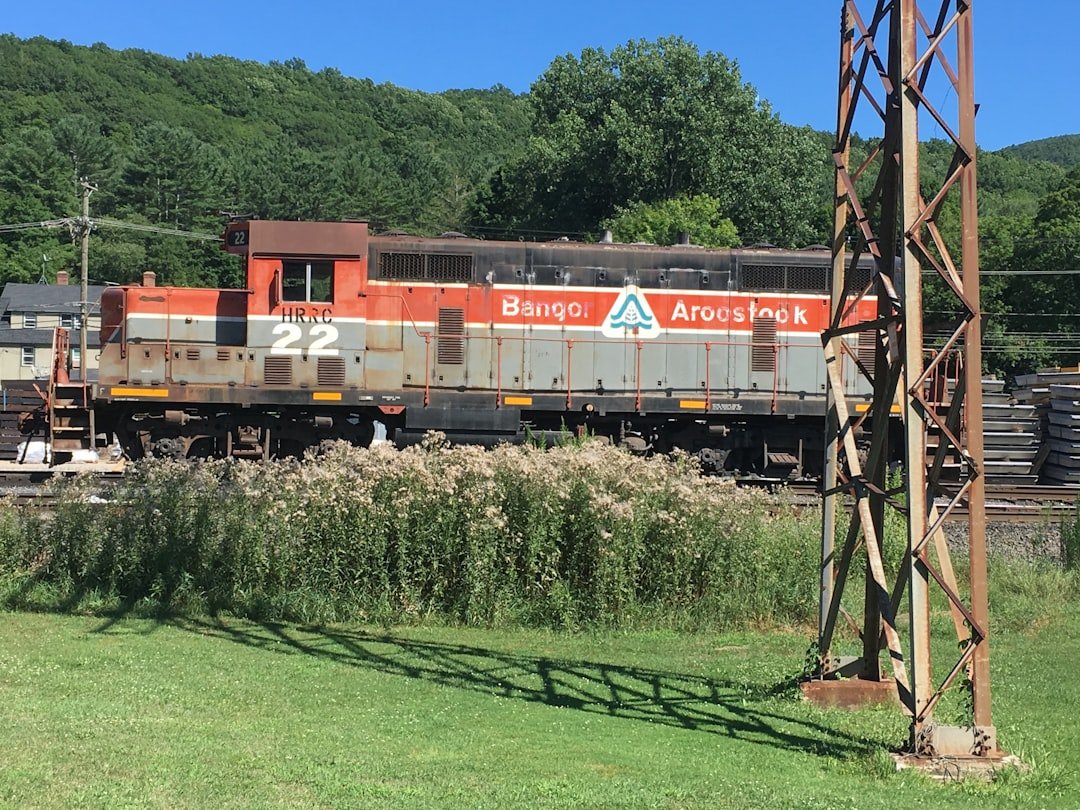
First, you’ve got the obvious damage. The train itself—the locomotive, the derailed cars—is incredibly expensive machinery. Then there's the track it was running on, which is now likely a mess of bent steel and splintered railroad ties.
This is where the railroad’s Property Insurance policy comes into play. Think of it like your homeowner's insurance, but on a colossal scale. This policy is designed to cover the physical assets owned by the company. An adjuster, who specializes in this kind of heavy equipment and infrastructure, is probably already on-site (or on their way) to start assessing the cost to repair or replace everything.
We’re talking about a multi-million dollar puzzle right from the get-go, before we even consider anything else.
What About All That Propane? A Lesson in Inland Marine Insurance
Now, what about the cargo? The railroad company doesn't own the liquid propane; they’re just the shipping service. The company that owns that propane has a huge amount of money tied up in those tanker cars.
This is where a fascinating and often misunderstood type of coverage comes in: Inland Marine Insurance.
I know, the name is confusing. It has almost nothing to do with boats or oceans. Think of it as "stuff-on-the-move" insurance. Anytime goods are being transported over land—via truck or train—they are typically covered by an inland marine policy. It protects the owner’s property while it’s in transit and outside of their direct control.
So, the owner of that propane will be filing a claim on their inland marine policy to cover the value of their lost or damaged product. It’s a critical piece of the supply chain puzzle that ensures a single derailment doesn't bankrupt the company that produced the goods.
The Billion-Dollar Question: What If That Propane Leaked?
Okay, let's get to the scariest part of this whole incident. The initial reports said the tanker cars didn't appear to be leaking, which is a huge sigh of relief for everyone involved, especially the local community.
But what if they had leaked?
This, my friends, is where the insurance situation gets incredibly serious and complicated. A significant propane leak into a river isn't just a problem; it's an environmental catastrophe in the making. And cleaning it up is one of the most expensive things you can imagine.
This is where Pollution Liability Insurance (or Environmental Insurance) would hopefully step in. And I say "hopefully" for a reason. Here’s a little inside baseball for you: most standard General Liability and Property policies have what’s called a "pollution exclusion." They are specifically written to avoid paying for claims related to the release of pollutants. They want nothing to do with it.
Why? Because the costs can be astronomical and unpredictable. We're talking about:
- Cleanup and Remediation: Containing the spill, removing contaminated soil and water, and restoring the habitat.
- Government Fines: The EPA and state agencies don't mess around. The fines for polluting a waterway can be crippling.
- Third-Party Lawsuits: What about property owners downstream? Or fisheries that are impacted? They can sue for damages.
- Long-Term Monitoring: You don't just clean it up and walk away. Environmental agencies often require years of testing to ensure the ecosystem has recovered.
This single risk is why specialized Pollution Liability policies exist. It’s a separate policy that a company has to buy specifically to cover these types of environmental disasters. For the railroad in this situation, you can bet they have a very, very robust policy. This one "near miss" is the exact reason their risk managers pay hefty premiums for it every year.
The Ripple Effect: When One Train Stops, So Do Other Businesses
A train derailment doesn't just happen in a vacuum. That track is a critical artery for commerce. When it's shut down, the ripple effects start immediately.
First, the railroad itself is losing money every hour the line is closed. This triggers their own Business Interruption Insurance, which helps replace the income they’re losing while they can't operate.
But what about all the other companies that rely on that rail line?
- The factory that was waiting on that shipment of propane to run its machines? It might have to shut down production.
- The retail company whose new line of products is stuck on a train 10 miles behind the wreck? They can't get their goods to stores.
These businesses might have coverage under something called Contingent Business Interruption. It’s a type of insurance that protects you when a key supplier or customer (in this case, the transportation provider) has a problem that, in turn, shuts your business down. It’s a crucial but often overlooked coverage for anyone who depends on a complex supply chain.
It All Comes Back to a Single Event
It’s pretty wild when you step back and look at it, right? One incident—a train coming off the tracks in a small Connecticut town—instantly triggers a cascade of potential claims across half a dozen different, highly specialized insurance policies.
You have Property, Inland Marine, Pollution Liability, General Liability, Workers' Comp (for the train's crew), Business Interruption, and Contingent Business Interruption all coming into play.
It’s a powerful reminder that the world is more interconnected than we think. And it’s a perfect illustration of what insurance is really for. It’s not just a bill you pay every month. It’s a financial backstop for chaos. It’s the tool that allows companies to take massive risks—like shipping flammable gas across the country—knowing that if the worst happens, they won't be wiped out. For everyone involved in that Connecticut derailment, from the railroad to the propane owner to the businesses waiting on their deliveries, they're sure glad they have it.