Every month, Rebecca Michalski takes a deep breath before she opens her electric bill. I can just picture it. That moment of hesitation, hoping it won't be as bad as you fear.
But for her, it often is.
Living on a fixed income in Rainelle, West Virginia, heating her small house this past winter has been absolutely staggering. Her bill for February? A jaw-dropping $940.08.
Let that sink in for a second. Nine hundred and forty dollars. That’s more than a lot of mortgage payments. It’s more than a car payment, groceries, and then some. It’s a bill that could easily knock a family's budget completely off the rails for months.
And she’s not alone. Not by a long shot. This is a story playing out all over West Virginia, a state deeply rooted in the coal industry. It’s a place where the very resource that once promised prosperity is now creating a brutal financial squeeze on its own people.
So what in the world is going on? How does this even happen?
It's a Perfect Storm of Aging and Economics
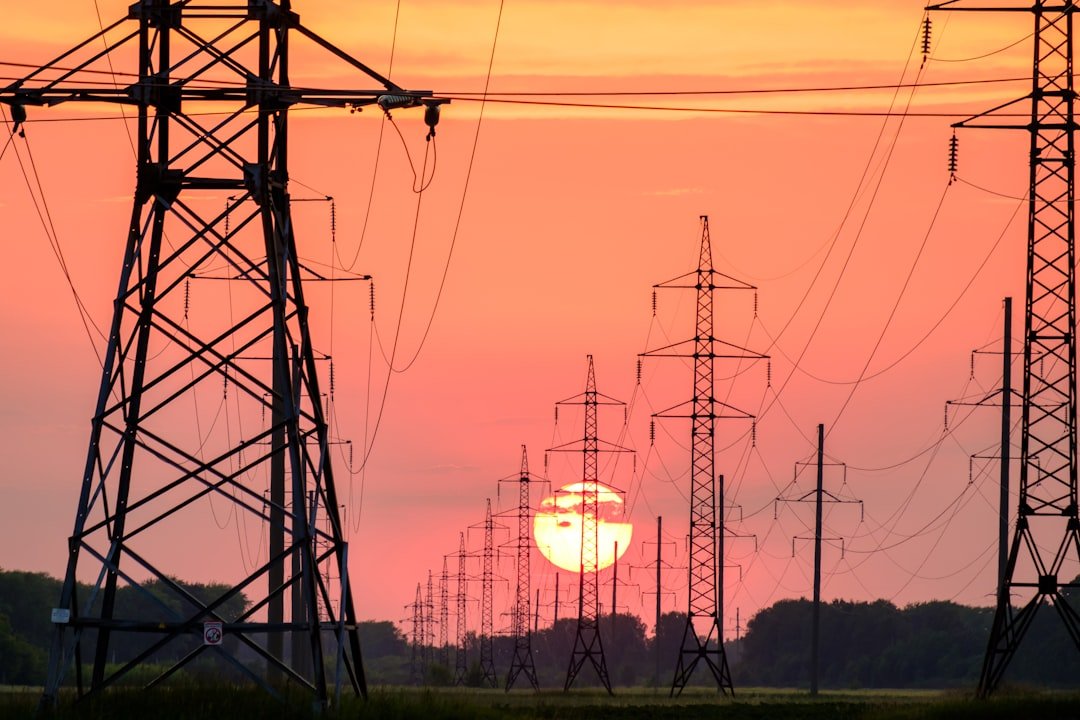
You see, West Virginia gets about 87% of its power from coal. It’s literally "Coal Country." For generations, that was a source of pride and economic stability. But things have changed.
The problem is, many of these coal-fired power plants are old. Really old. Think of it like trying to use a 1970s station wagon for your daily commute in 2024. Sure, it might run, but the upkeep is a nightmare, it guzzles gas, and it definitely doesn't meet today's safety or emission standards.
To keep these aging plants running and to comply with modern federal environmental rules, utility companies have to spend a fortune on upgrades and maintenance. We’re talking billions of dollars.
And where do you think that money comes from?
Yep. It gets passed directly to customers like Rebecca. The companies go to the state’s Public Service Commission, show them the receipts for all the upgrades, and ask for permission to raise their rates. And time after time, those rate hikes get approved.
The result? West Virginia has seen some of the highest residential electricity rate increases in the entire country. It’s a brutal irony: in the heart of coal country, the cost of coal-powered electricity is becoming completely unaffordable for the people who live there.
This Is More Than an Expense—It's a Financial Emergency
When we talk about financial planning and insurance, we often focus on the big, dramatic events. A house fire. A major car accident. A tornado.
But a financial crisis doesn't always arrive with a bang. Sometimes, it just shows up quietly in your mailbox, month after month.
A $940 electric bill isn't just an inconvenience; it's a full-blown financial emergency. It forces impossible choices. Do you pay the power bill or buy all the groceries you need? Do you skip a prescription refill to keep the lights on?
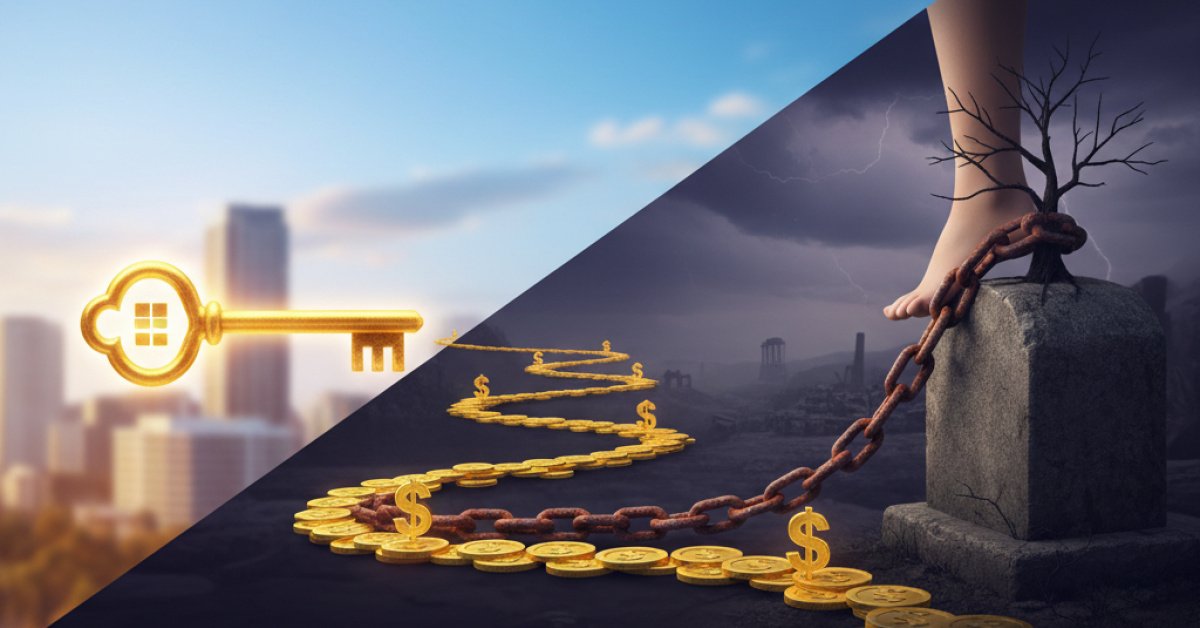
For people on fixed incomes—retirees, folks with disabilities—there’s no extra money to pull from. There's no "working a few more hours" to cover a bill that's suddenly doubled or tripled. This kind of sustained financial pressure can wipe out a lifetime of savings in just a few seasons.
It’s a perfect example of a risk that sneaks up on you. It’s not sudden and accidental, like a tree falling on your roof. It's a slow-moving disaster that erodes your financial foundation from the inside out.
So, Where Does Insurance Fit In? (Or Does It?)
This is a question I get a lot when stories like this come up. People wonder, "Is there some kind of insurance for this?"
And the honest answer is no, not directly. You can’t buy a policy that pays your power bill if it gets too high. Standard homeowners or renters insurance policies are designed to cover specific, named perils—things like fire, theft, and certain types of water damage. They don't cover the rising cost of living or utility bills.
But that doesn't mean the principles of insurance and risk management don't apply here. In fact, this situation highlights exactly why having a solid financial safety net is so critical.
Insurance is one piece of that net. Its job is to protect you from catastrophic losses that you could never afford on your own. But it can't cover everything.
The other, equally important, pieces of that safety net are things you build yourself:
- An Emergency Fund: This is Priority Number One. An emergency fund is your personal insurance policy against life’s unexpected curveballs, whether it's a broken-down car or a shocking utility bill. It’s the cash you have on hand to absorb a financial shock without having to go into debt.
- A Realistic Budget: Knowing exactly where your money is going each month is the only way to spot trouble before it gets out of control. When you see one category (like utilities) starting to balloon, you can try to make adjustments elsewhere.
- Understanding Your Risks: This story from West Virginia is a powerful reminder that risks aren't always obvious. We need to think beyond the classic "insurable" events and consider other things that could derail our finances. Job loss, economic downturns, or, yes, skyrocketing essential costs are all real risks.
What's happening to families in West Virginia is a heartbreaking lesson in financial vulnerability. It shows how quickly a stable situation can unravel because of forces completely outside of our control.
It’s a stark reminder that true financial security isn't just about having the right insurance policies. It's about building a foundation strong enough to withstand the shocks, no matter where they come from. For the folks facing these impossible bills, let's hope a real solution comes soon. For the rest of us, let's take it as a serious wake-up call to check on the strength of our own financial walls.