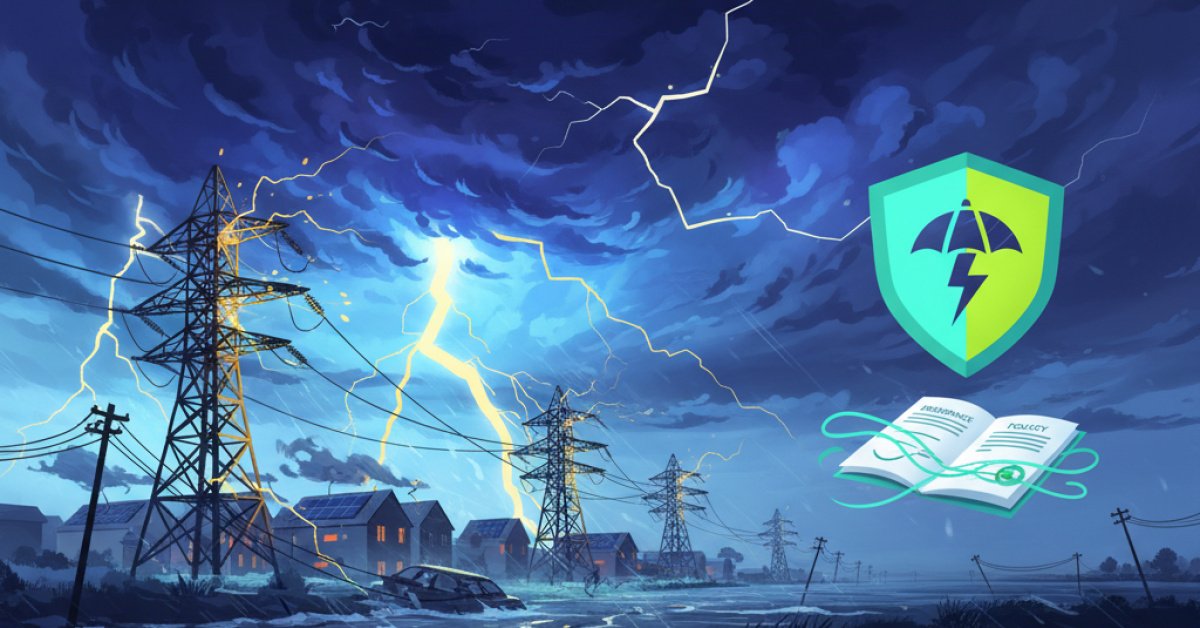
It’s a scene we all know a little too well here in South Africa. The wind starts howling, the rain is coming down sideways, and then it happens… the lights flicker. Once. Twice. And then, darkness.
You light a few candles, maybe break out the board games, and wait for the power to return. But lately, it feels like these waits are getting longer and the storms are getting stronger. We’re seeing it across the country. The news is full of reports about the havoc these storms are causing for our electricity supply. While things in the Eastern Cape seem to be settling down, places like KwaZulu-Natal, Limpopo, and the Free State are really getting hammered.
But here’s the thing we don’t often think about in that moment of darkness: the real damage isn’t always the inconvenience. It’s what happens when the power suddenly comes roaring back to life. That jolt can be a knockout punch for your expensive electronics.
So, when your TV refuses to turn on the next morning or your fridge starts making a funny noise, who foots the bill? Let’s have a real chat about it.
It's More Than Just an Inconvenience
First, let's get one thing straight. A power outage caused by a storm is not the same as loadshedding. While they both leave you in the dark, the aftermath can be very different from an insurance perspective.
The biggest villain in this story is the power surge.
Think of it like this: your home's electrical system is used to a steady, predictable flow of water through a pipe. A power surge is like someone suddenly opening a fire hydrant and blasting a massive, uncontrolled torrent of water through that same pipe. Your appliances, which were designed for that steady flow, just can’t handle the sudden, violent pressure.
That’s when you get fried motherboards in your computer, a dead decoder, or a washing machine that’s suddenly gone silent. It’s a costly, frustrating mess. And it’s happening in homes all over the country right now.
So, Does Your Home Insurance Have Your Back?
This is the million-rand question, isn’t it? The short answer is: maybe. I know, that’s not super helpful, but insurance is rarely a simple "yes" or "no." It all comes down to the fine print in your policy.
The Power Surge Problem
Good news first. Most decent home contents insurance policies in South Africa do include cover for damage caused by power surges. It often falls under "accidental damage."
So, if a lightning strike near your home or a fault in the grid during a storm sends a surge through your wiring and fries your new smart TV, you should be able to claim.
But, and this is a big but, there are always catches.
The "Wear and Tear" Catch
Here’s where things can get a bit tricky. An insurer might try to argue that the damage wasn't solely due to the power surge. They might send out an assessor who says your home’s wiring was old and not up to code, or that the appliance itself was old and on its last legs anyway.
This is what’s known as a "wear and tear" exclusion, and it's a common reason for claims being rejected. It’s their way of saying, "This was going to break soon anyway, so we’re not paying for it." It can be incredibly frustrating to deal with.
What About the Food in Your Freezer?
Okay, let's talk about the other casualty of a prolonged outage: the contents of your fridge and freezer. You might have just done a big monthly shop, and now you’re looking at hundreds, or even thousands, of rands worth of food slowly defrosting.
Some policies include cover for spoiled food as a standard feature, but often it’s an optional add-on that you have to pay a little extra for. And even when it is included, pay close attention to the limit. The cover might be capped at something like R2,000 or R5,000, which might not be enough to replace everything in a fully-stocked deep freezer.
What Can You Actually Do to Protect Yourself (and Your Wallet)?
Feeling a bit powerless? Don't. You're not just at the mercy of the weather and the grid. There are practical steps you can take right now to protect your home and make sure that if the worst happens, your insurance claim goes smoothly.
1. Get Proactive with Protection The best claim is the one you never have to make. I can't recommend surge protectors enough. And I'm not talking about the cheap multi-plugs you buy at the grocery store. I mean proper, high-quality surge protectors for your most valuable electronics like your TV, computer, and fridge. Think of it as a R500 bodyguard for your R15,000 television. It's a small investment that can save you a massive headache.
2. Know Your Policy Inside and Out Honestly, I know that reading an insurance policy document is about as fun as watching paint dry. But you have to do it. Grab a highlighter and a cup of coffee and look for a few key phrases:
- "Power surge"
- "Accidental damage"
- "Damage caused by lightning"
- "Contents of refrigerators and freezers"
See what the limits are. Understand what your excess is (the amount you have to pay in on any claim). If you’re not sure about something, call your broker or insurer. Make them explain it to you in plain English. That’s what you pay them for!
3. Document Everything If a surge does hit and your appliances are damaged, your best friend is your smartphone camera.
- Before it happens: It’s a great idea to have photos of your expensive electronics, including their serial numbers.
- After it happens: Take pictures of the damaged items. Don't throw anything away until the assessor has seen it.
- Keep receipts: If you have to replace something, keep the receipt. If you have to call out an electrician to check your wiring, keep that invoice. The more evidence you have, the stronger your claim will be.
These storms and the strain on our grid aren’t going away anytime soon. This is becoming our new reality. Being prepared isn't about being paranoid; it's about being smart and protecting the things you’ve worked so hard for.
So take a little time this week to check your plugs, read your policy, and make sure you're ready for whatever the weather throws at us next. Stay safe out there.