If you’re a homeowner in Florida, you’ve probably heard of the My Safe Florida Home program. It’s that big state grant program designed to help you beef up your house against hurricanes—think stronger roofs, impact windows, and reinforced garage doors.
And let’s be clear: on the surface, it looks like a huge win. The state has funneled more than $300 million into this thing over the last few years. Thousands of homeowners have gotten grants, made their homes safer, and even snagged some much-needed discounts on their insurance premiums. That’s all fantastic news.
But here’s the thing that people are starting to whisper, and now say out loud in rooms full of experts: It’s not enough. Not even close. It’s like trying to put out a forest fire with a garden hose. A really, really expensive garden hose, but a garden hose nonetheless.
This was the big topic of conversation at a recent summit held by the Florida Office of Insurance Regulation (OIR), and the consensus was pretty clear. We’ve got a great program, but the scale of our problem is just so much bigger.
So, What’s Working and Why Does It Matter?
First, let's give credit where it's due. The idea behind wind mitigation grants is brilliant. It’s one of the few things that everyone—insurers, homeowners, and lawmakers—can actually agree on.
Think of it like this: Your home is constantly in the path of potential hurricanes. Wind mitigation is basically giving your house a helmet and some padding. You’re strengthening the most vulnerable parts so that when a storm hits, it can take a punch.
When you do this, two amazing things happen:
- Your home is safer. This is the most important part. Your family and your biggest investment are better protected.
- Your insurance risk goes down. Insurers love this. A stronger home is less likely to have a massive claim. They reward you for this with discounts, sometimes significant ones.
The My Safe Florida Home program has been the engine driving this. It gives homeowners matching grants to get this critical work done. For many families, it’s the difference between being able to afford a new roof and just crossing their fingers and hoping for the best.
The Sobering Reality: A Drop in the Bucket
So if the program is so great, what’s the problem? It all comes down to simple math.
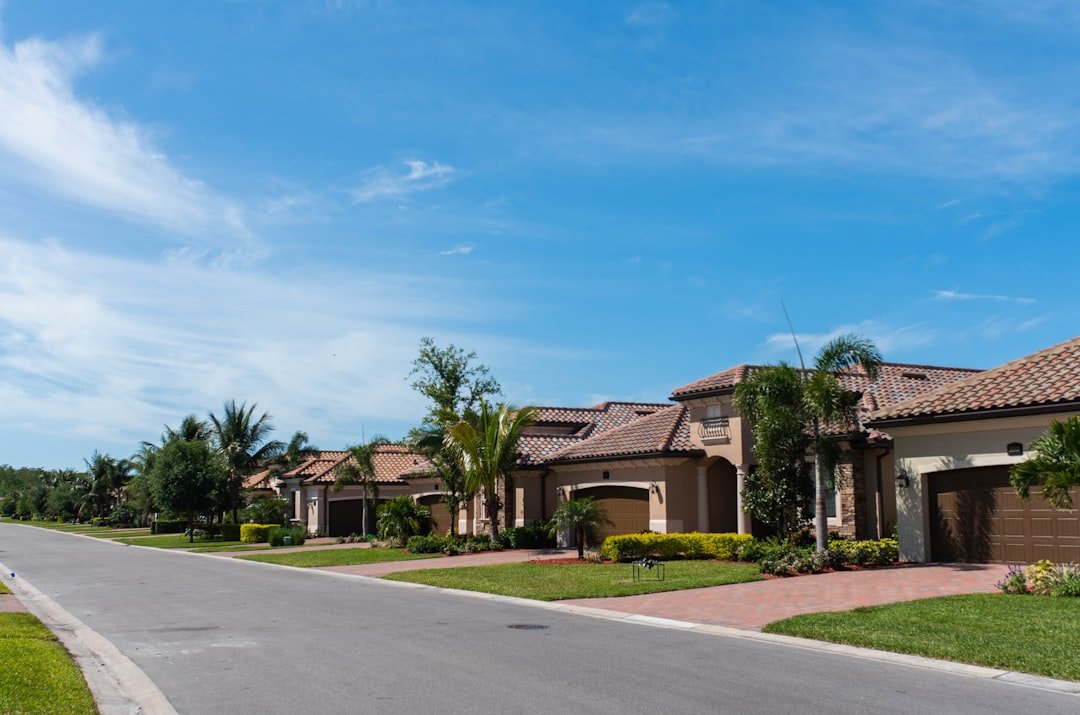
Florida has millions of older homes, especially homes built before we got really serious about hurricane-proof building codes around 2002. We’re talking about a massive number of houses that are, frankly, not ready for a major storm.
The grant program, as big as it is, can only serve a tiny fraction of these homes. The demand is just overwhelming. Every time the state opens up applications, they’re flooded. It’s like trying to get tickets to a Taylor Swift concert—they’re gone in an instant, and most people are left out.
At the OIR summit, experts didn't mince words. They pointed out that while we’re helping thousands, there are hundreds of thousands—if not millions—more who need the same upgrades. We’re patching a few shingles when entire neighborhoods need new roofs.
What Are the Big Ideas to Fix This?
Okay, so we know the problem is bigger than the current solution. The good news is that smart people are talking about what to do next. This isn't about scrapping the program; it's about building on it and thinking bigger. Here are some of the ideas that were floated.
1. Get Smarter with the Money
Instead of a first-come, first-served system, what if we prioritized? Maybe we should focus the funds on the homes that need it most. This could mean:
- Older homes: Targeting houses built before the stricter codes were in place.
- High-risk areas: Funneling money to coastal communities that are most likely to take a direct hit.
- Low-income families: Ensuring that the people who can least afford these upgrades get to the front of the line.
It’s a more strategic approach. It’s not just about spending money, but about spending it where it will have the biggest impact on safety and insurance rates for the whole state.
2. Bring in the Whole Team
The state can’t do this alone. A recurring theme was the need for more public-private partnerships. What does that actually look like?
Imagine a world where your insurance company works directly with you and a state-approved contractor to get the work done. Maybe the insurer offers a special loan for your half of the cost, or helps you navigate the application process. When everyone has skin in the game, things get done faster and more efficiently. We need to get the insurers, the banks, and the construction industry all rowing in the same direction.
3. Cut Through the Red Tape
You know how government programs can be. Sometimes the paperwork and bureaucracy can slow everything down. Experts are asking how we can streamline this.
Could we create a "fast lane" for the most common and effective upgrades, like sealing a roof deck or installing hurricane shutters? Can we make the inspection and approval process digital and faster? Anything we can do to get the money from the state’s bank account to a contractor’s hands more quickly is a win for the homeowner.
4. Thinking Beyond the Next Hurricane Season
This is a long-term problem, and it needs long-term thinking. The grant program is a great way to fix existing homes, but we have to make sure we’re not creating the same problem all over again.
This means doubling down on strong building codes for all new construction. It means educating new homeowners about the importance of mitigation from the day they buy their house. It’s about shifting the culture in Florida from one of rebuilding after a storm to one of preparing before it ever arrives.
The conversation is shifting, and that’s a good thing. We’ve proven the concept that investing in stronger homes works. It makes Florida safer and helps, even in a small way, with our crazy insurance market.
Now, the challenge is to take that success and figure out how to scale it. The experts have laid out some ideas, but it’s going to take real political will and creative thinking to turn those ideas into a plan that’s big enough to truly protect our state. The next storm is always out there, and it’s not going to wait for us to figure it out.