If you live in Florida, you know the annual routine. Hurricane season rolls around, your insurance renewal notice shows up with another shocking price hike, and you start wondering what you can do to protect your home and your wallet.
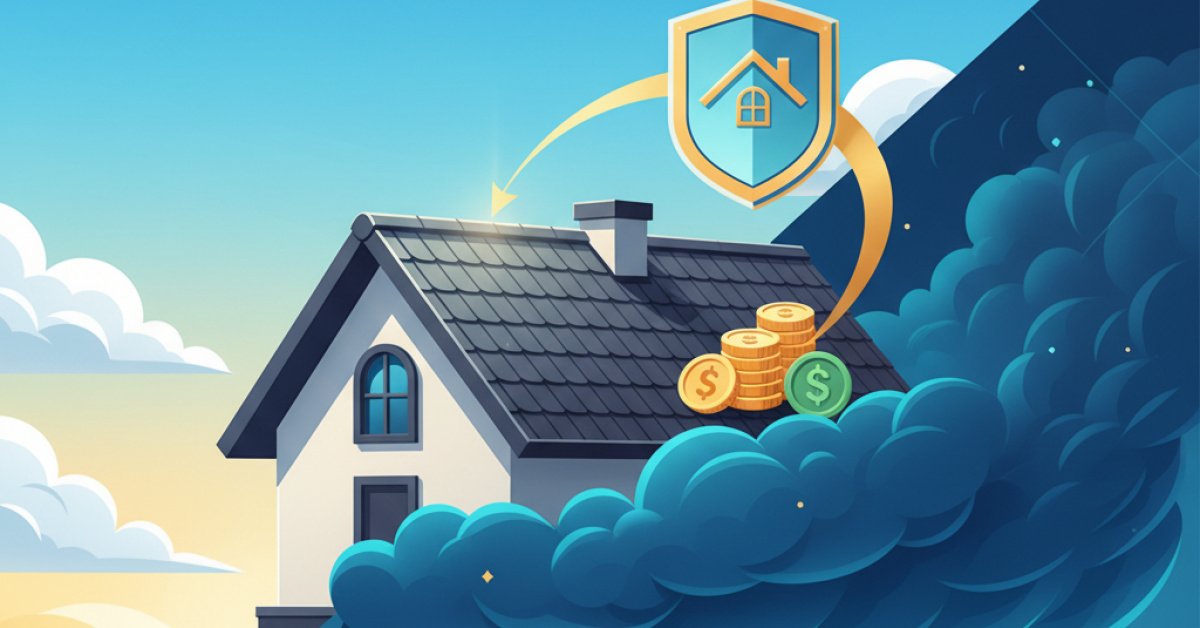
So, when the state comes along with a program called "My Safe Florida Home," offering you thousands of dollars in grants to install a new roof or impact windows, it sounds like a prayer answered, right? A huge, $833 million program designed to help you strengthen your home against storms. It’s no wonder it’s one of the most popular things the state has done in years.
But here’s the thing. When you peek behind the curtain, you start to hear a different story. Some folks are saying this wildly popular program is actually… well, a bit of a broken mess. Let's get into what’s really going on.
What Exactly is the "My Safe Florida Home" Program?
First, let's cover the basics, because the idea behind it is genuinely good.
The goal of the My Safe Florida Home program is to help homeowners, especially those in older homes, afford upgrades that make their houses more resistant to hurricane-force winds. We’re talking about things like:
- Installing a new, stronger roof
- Upgrading to impact-resistant windows and doors
- Reinforcing your garage door
The state provides matching grants, meaning they’ll match what you spend up to a certain amount. For homeowners, this can slash the cost of a brand-new roof or other major projects in half. In a state where a new roof can cost $20,000, $30,000, or even more, getting a $10,000 grant is a massive deal.
And people are jumping at the chance. The demand has been absolutely overwhelming. On paper, it’s a win-win. Homeowners get safer homes and lower insurance premiums, and the state gets a more resilient housing stock. So, what could possibly be wrong with that?
Sounds Great, Right? Here's Where It Gets Messy
This is where the conversation gets a little more complicated. It’s a classic case of good intentions meeting messy reality. Critics, including some insurance experts and fiscal watchdogs, are pointing out some pretty glaring problems with how the program is being run.
The biggest complaints boil down to a few key areas: who’s getting the money, what the money is being used for, and whether it’s actually solving the core problem.
Is This Just a Giveaway for People Who Don't Need It?
One of the loudest criticisms is that the program is essentially a tax-dollar giveaway to people who could likely afford these upgrades on their own.
Think about it. The program has very broad eligibility requirements. It isn't strictly limited to low-income households or those who are most financially vulnerable. So, you could have a situation where someone in a multi-million dollar home on the coast gets a grant, while a family struggling to make ends meet in a more modest inland home might miss out simply because the funds ran out.
Critics argue that a huge chunk of this $833 million is subsidizing home improvements for relatively well-off Floridians. They believe the money would be far more effective if it were targeted specifically at the low-income and elderly homeowners who have no other way to afford these critical, life-saving upgrades. Instead, it’s being treated more like a universal coupon for a new roof.
The Great Roofing Debate: Necessary Upgrade or Wasteful Spending?
This leads us to the next major issue: roofs. A massive portion of the grant money is going toward full roof replacements. And while a strong roof is absolutely the first line of defense against a hurricane, the way the program is structured is raising some serious eyebrows.
Here’s the problem: many of these roofs don’t actually need to be replaced.
Under Florida law, if more than 25% of a roof is damaged, the whole thing has to be brought up to the current, stronger building code. Insurance companies, wanting to limit their exposure, have become incredibly strict about the age and condition of roofs they’re willing to insure. This has forced many homeowners into replacing perfectly functional roofs just to keep their coverage.
So, what’s happening? People are using the state grant money to solve an insurance problem, not necessarily a structural one. The program is effectively paying for roof replacements that are only "necessary" because of the tough insurance market. Critics see this as a huge waste of taxpayer money. They argue the state is indirectly bailing out the insurance industry's strict underwriting rules instead of focusing the funds on homes that are genuinely unsafe.
Are We Fixing the Right Homes?
Another glaring issue is that the program doesn’t seem to prioritize the homes that need the help most. You’d think the grants would be targeted at the oldest, most vulnerable homes in the highest-risk coastal areas, right?
But that’s not really how it’s working. Because the program is so popular and operates on a first-come, first-served basis, the money often goes to whoever can navigate the application process the quickest. There isn't a robust system in place to ensure that a 1960s home in a high-velocity wind zone gets priority over a 2005 home further inland.
This creates a situation where we might be spending millions to make already pretty-decent homes slightly better, while the truly high-risk properties—the ones that could disintegrate in a storm—are left untouched. It’s like putting a new coat of paint on a solid car while your neighbor’s car with no brakes gets ignored.
So, What's the Takeaway?
Look, nobody is saying that helping Floridians harden their homes is a bad idea. It’s a fantastic goal, and it’s something the state absolutely should be focused on. The My Safe Florida Home program comes from a good place.
But the execution is leaving a lot to be desired. It feels less like a strategic, targeted surgical strike on Florida’s insurance crisis and more like firing a money cannon and hoping some of it hits the right targets.
The program is a perfect example of how complex this problem is. We need safer homes, but we also need to be responsible with public funds. We need to help people afford upgrades, but we should probably start with those who are most vulnerable.
For now, if you're a Florida homeowner, it’s still worth looking into the program—free money is free money. But as citizens and taxpayers, it’s also worth asking if this is truly the best way to spend nearly a billion dollars to solve our state’s insurance nightmare. Maybe a more focused, needs-based approach would be a better long-term fix.