Ever feel like you’re watching a political drama where you just can’t guess the ending?
That's pretty much where we are with healthcare policy in Washington right now. A huge piece of the puzzle—the enhanced Affordable Care Act (ACA) subsidies that have made insurance more affordable for millions—is teetering on the edge of a cliff. And honestly, nobody is quite sure if it’s going to be saved.
You might be thinking, “Okay, but I get my insurance through my job. This doesn’t really affect me, right?”
Well, not so fast. What happens in the ACA Marketplace doesn’t stay in the ACA Marketplace. The outcome of this debate could have some surprising ripple effects that touch everything from your company’s health plan to the future of prescription drug pricing.
Let’s break down what’s going on, what’s at stake, and why you’ll want to pay attention over the next few weeks.
A High-Stakes Debate with No Clear Winner
So, here’s the backstory. As part of a deal to end a recent 43-day government shutdown, Democrats were promised a vote in the Senate to extend these enhanced subsidies. Notice I said a Senate vote—there was no such promise for the House.
This sets the stage for what one expert, Geoff Manville from Mercer’s law and policy group, is calling a "high-stakes health care policy debate." And he’s not wrong. December is going to be a very interesting month.
The problem is, the two sides aren't just arguing about the details; they seem to be living in completely different universes.
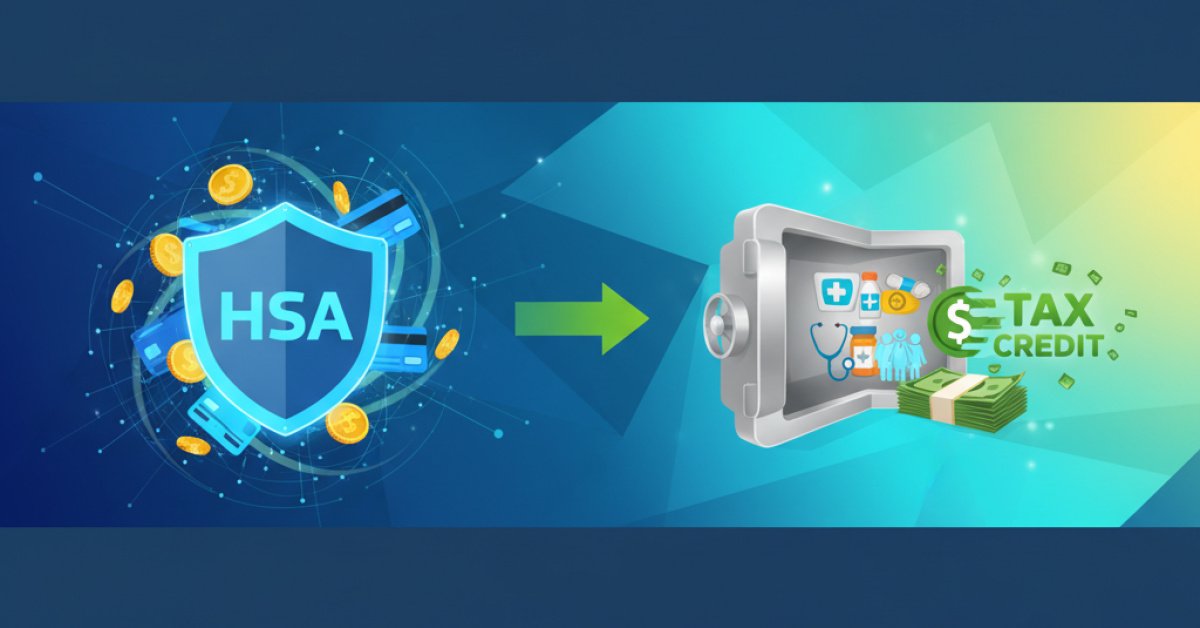
Manville pointed out that the proposals are "trending in opposite directions." On one hand, you have folks who want to keep the current system but maybe tweak it a bit. On the other hand, you have a camp that wants to scrap the current structure entirely and replace it with something new, like depositing subsidy money into individual health savings accounts (HSAs) or flexible spending accounts (FSAs).
It’s a fundamental disagreement over how to help people afford coverage, and it’s anyone’s guess what a compromise—if one is even possible—might look like.
Okay, But How Does This Affect My Work Plan?
This is the question I get all the time. It’s easy to tune this stuff out if you’re covered at work. But if these enhanced subsidies disappear, the shockwaves could definitely reach your office.
Here are a couple of ways this could play out:
First, the good news (sort of). If ACA Marketplace plans suddenly get a lot more expensive without the extra help, your employer’s plan might start to look a lot more attractive by comparison. We could actually see more people signing up for their company health insurance because it becomes the most affordable, stable option.
But here’s the potential downside, and it’s a big one. Think about hospitals and doctors. If a bunch of their patients lose their affordable coverage, they'll be providing a lot more care that they never get paid for. That’s a huge financial hit.
So, what do they do? They have to make up for that lost revenue somewhere. And often, that means trying to charge the big, stable payers—like employer-sponsored health plans—more for their services. It’s a classic case of cost-shifting, and it could drive up the costs for your company’s plan down the road.
The Domino Effect on Drug Prices
The uncertainty isn't just about premiums. It’s also putting the brakes on what was supposed to be a big bipartisan push to reform pharmacy benefits and lower drug costs.
According to Manville, a package of reforms was this close to passing Congress in 2025. Now, Republicans want to bring it back, but they’re looking to add on some of their own priorities, like expanding HSAs and Individual Coverage Health Reimbursement Arrangements (ICHRAs).
See how it all connects? The very same ideas (like HSAs) that are part of the ACA subsidy debate are also tangled up in the prescription drug debate. It’s all one big, complicated negotiation now.
Is Anyone Actually Trying to Lower Drug Costs?
While the big-picture reforms are stuck in limbo, there are a few other things happening on the drug pricing front that are worth watching. Katharine Marshall, another expert at Mercer, gave a rundown of a few key developments.
TrumpRx: Hope or Hype?
You may have heard about TrumpRx, a new website designed to let consumers buy drugs directly from manufacturers at a discount. Big names like Pfizer, AstraZeneca, and Eli Lilly are on board. They’ve agreed to lower prices on certain drugs in exchange for a three-year break on tariffs.
Sounds great, right? The announcement promised discounts of up to 85%.
The catch is… we don’t have many details yet. As Marshall put it, "We have yet to see how prices on TrumpRx will compare to other commercial sites and how it will work." We don't know the actual prices, and we don't know what role Pharmacy Benefit Managers (PBMs) will play. It’s a big question mark.
The GENEROUS Program for Medicaid
Starting in January, the Center for Medicare and Medicaid Services (CMS) is launching a five-year pilot program called GENEROUS. It’s a voluntary program for states that aims to get Medicaid the same low drug prices that other countries pay.
It’s another one of those "it’s hard to say whether this will be impactful" situations, according to Marshall. But it’s one more attempt to chip away at high drug costs, and it’s worth keeping an eye on.
The Elephant in the Room: GLP-1 Weight-Loss Drugs
Let’s be real, you can’t talk about drug costs in 2025 without talking about GLP-1s like Ozempic and Wegovy. They are everywhere, and their cost is a massive challenge for employers.
Washington is starting to make some moves here. The White House struck a deal with Novo Nordisk and Eli Lilly to sell their GLP-1s at a lower price through that new TrumpRx site.
At the same time, CMS is thinking about an experiment that would let Medicare Part D and state Medicaid programs cover these drugs for weight management. That would be a huge shift.
For employers struggling with the sky-high cost of these drugs, this is significant. As Marshall noted, these developments "could potentially force prices down in the commercial market." If the government starts getting a better deal, it creates pressure for everyone else to get a better deal, too.
So, as we head into the end of the year, it’s a bit of a nail-biter. The decisions made in the next few weeks on ACA subsidies could set off a chain reaction that changes the landscape for employer plans and drug pricing for years to come. It’s a lot to track, I know. But all these moving parts are pieces of a puzzle that will ultimately define what healthcare looks like—and costs—for all of us. We’ll be watching closely.