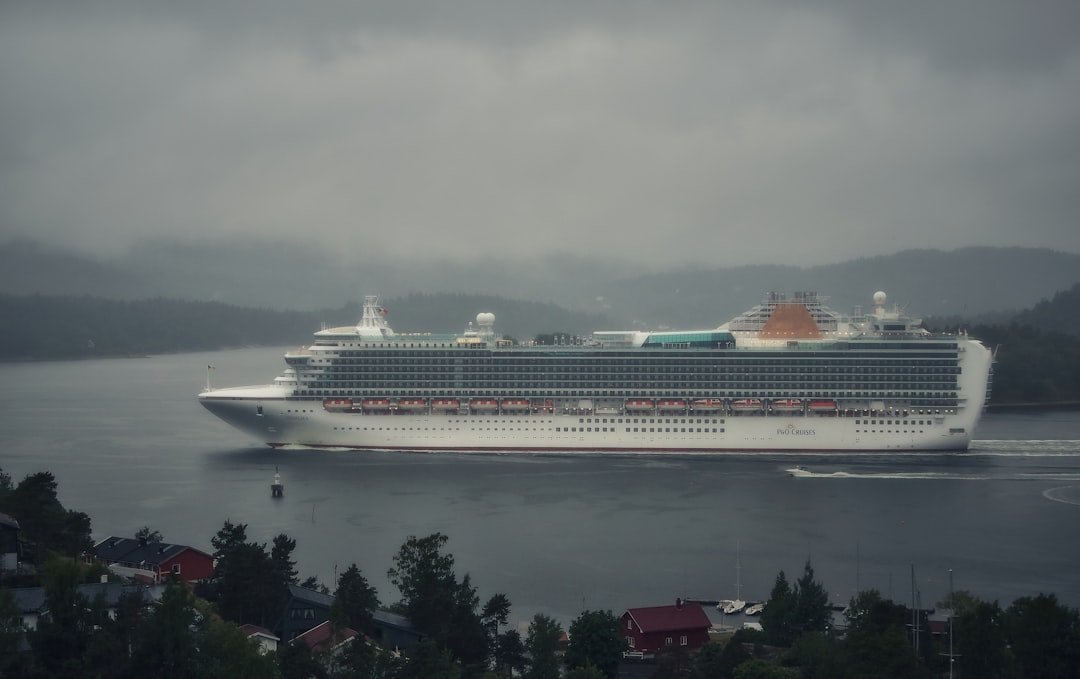
You’ve probably seen the pictures. Stunning, icy landscapes, exotic wildlife, and that feeling of pure adventure. That’s the promise of an expedition cruise, a true bucket-list trip for so many of us. You save up, you plan, you dream about it for months.
But what happens when that dream trip takes a sharp turn into a potential nightmare?
That’s exactly what’s happening for some passengers of the MV Hondius, a Dutch-flagged expedition cruise ship. News just broke that the Virginia Department of Health is monitoring a resident who was recently on board. The reason? A deadly Hantavirus outbreak has been linked to the ship.
Suddenly, the vacation of a lifetime is overshadowed by health screenings, uncertainty, and a whole lot of "what ifs." It's a scary situation, and it’s also a perfect, real-world example of why we need to talk about travel insurance.
So, What Exactly Happened Here?
Let's quickly get the facts straight. A traveler from Virginia is currently being monitored after returning from a trip on the MV Hondius. This isn't just a case of a common cold going around the ship; it's Hantavirus, a rare but serious respiratory illness.
This situation immediately throws a wrench into everything. For the traveler, it means medical observation and worry. For anyone planning a similar trip, it’s a huge red flag.
And for us, it’s a moment to pause and ask a critical question: If this were you, what would happen next? Are you protected? Because this is where the fine print on your insurance policies suddenly becomes the most important thing you could read.
When Your Trip Goes Sideways: The Insurance Breakdown
When something like a virus outbreak happens on a cruise ship, a whole chain of events gets triggered. It’s not just about feeling sick; it’s about trip interruptions, massive medical bills, and logistical chaos.
Think of it like this: your trip is a car, and travel insurance is your spare tire, your roadside assistance, and your GPS all rolled into one. You hope you never need it, but you’d be foolish to start a long road trip without it.
Let's break down how the right coverage would kick in.
First Up: Travel Medical Insurance
This is the big one. It's probably the most misunderstood and most critical piece of the travel insurance puzzle.
So many people think, "I have health insurance at home, I'm covered." I have to be honest with you—that's a dangerous assumption. Most domestic health plans offer very little, if any, coverage once you leave the country. Some might cover a bit for "emergency" care, but you’ll be fighting with them over what qualifies as an emergency, and you'll likely have to pay a massive bill upfront and hope for reimbursement later.
A good travel medical policy is designed for this exact scenario. If you were on that ship and started showing symptoms, it would cover:
- Doctor's visits on the ship or in a foreign port.
- Hospital stays if you need to be admitted.
- Prescription medications needed to treat the illness.
Without this, you could be looking at a bill with more zeros than you can count. Medical care in other countries, especially for serious illnesses, can be astronomically expensive.
The Lifesaver: Medical Evacuation
Okay, this is the part of the policy that I believe is absolutely non-negotiable, especially if you're traveling to remote places. And an expedition cruise definitely counts as remote.
Medical evacuation is not the same as health insurance. It’s transportation insurance. It pays to get you from wherever you are to a hospital that can properly treat you.
Imagine getting seriously ill with something like Hantavirus on a ship in the middle of the ocean. The small shipboard clinic isn't equipped for that. You need to get to a major hospital, and fast. That might mean a helicopter airlift to the nearest suitable facility, which could be hundreds of miles away.
The cost for that? It can easily hit $50,000, $100,000, or even more. Medical evacuation coverage is designed to handle that bill. It’s the single piece of coverage that can literally save your life and your life savings at the same time.
What About the Trip Itself? Trip Interruption Coverage
Let's say the cruise has to be cut short because of the outbreak. The ship is ordered back to port, and everyone has to disembark. Your two-week dream adventure just became a four-day disaster.
This is where trip interruption coverage comes in. It can reimburse you for the unused, non-refundable portion of your trip. It can also cover the costs of last-minute flights to get home. Without it, you’re just out all that money you spent.
This Isn't Just a Cruise Ship Problem
It’s easy to read this story and think, "Well, I'm not going on an expedition cruise, so I'm fine." But the lesson here is so much bigger than one ship or one specific virus.
The core takeaway is that travel always involves the unexpected.
You could be hiking in the mountains and break your ankle. You could get a bad case of food poisoning from a street vendor in a bustling city. Your flight could be canceled due to a volcano erupting halfway across the world.
These things happen. Every single day. The specific risk changes, but the fundamental need for a safety net doesn't.
Thinking about insurance isn't about being negative or planning for the worst. It's the exact opposite. It's about being so well-prepared that you can truly relax and immerse yourself in the adventure, knowing that if something does go wrong, it's just a bump in the road, not a financial catastrophe.
So next time you're booking a flight or planning a getaway, take a few extra minutes to look at your insurance options. Read the policy, understand what’s covered, and invest in a plan that protects you, your health, and your wallet. It’s the smartest money you'll ever spend on a vacation.
Stay safe out there.