Let’s be honest, you can’t turn on the TV or scroll through social media without hearing about weight loss drugs like Ozempic, Wegovy, or Mounjaro. They're everywhere. For a lot of people, they’ve been life-changing. But for just as many, there’s been one giant, frustrating roadblock: the price tag.
Paying hundreds or even thousands of dollars out-of-pocket every month just isn't realistic for most of us. And historically, insurance coverage, especially Medicare, has been tricky, to say the least.
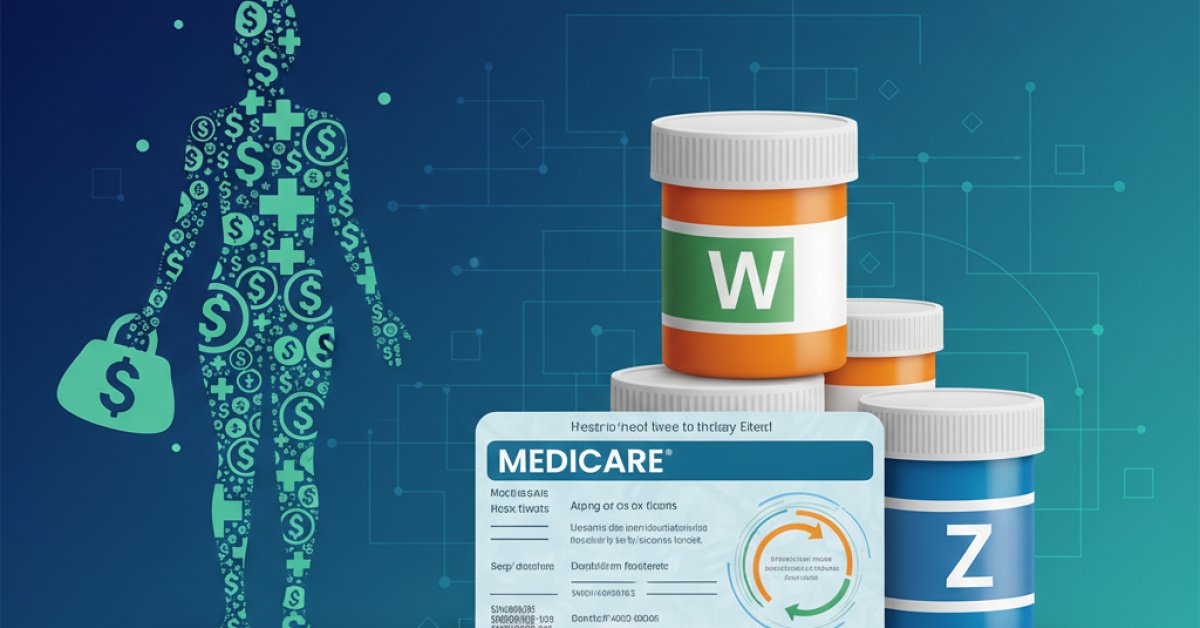
Well, get ready for a pretty significant shift. Medicare is about to step into the ring. Thanks to a deal the Trump administration made with drugmakers Eli Lilly and Novo Nordisk, coverage for these popular GLP-1 drugs is on its way for certain Medicare beneficiaries. This is a big deal, and it’s going to affect a lot of people. But, as with anything insurance-related, the details really matter.
So, What’s the Big News Here?
The headline is this: Starting in mid-2026, Medicare will begin to cover these powerful weight loss drugs for specific groups of people. This isn't just a small policy tweak; it's a major change in how our healthcare system views and treats obesity when it’s tied to other serious health conditions.
This will all roll out through a pilot program under Medicare Part D. Now, it’s not a free-for-all. It’s estimated that about 10% of people on Medicare will be eligible. But for that 10%, this could be a complete game-changer for both their health and their finances.
The Million-Dollar Question: Who Actually Qualifies?
This is the most important part to understand. Medicare isn't just going to start covering these drugs for anyone who wants to lose a few pounds. That’s a common misconception.
The rule is simple but strict: Medicare will only cover these drugs for people who have obesity in addition to other specific health problems, like heart issues or diabetes. They see it as treating the whole picture, not just the number on the scale.
So, who are the eligible folks? The plan breaks it down into three specific groups. You’ll likely be covered if you fall into one of these buckets:
- Group 1: You're considered overweight (with a Body Mass Index, or BMI, over 27) and you also have either prediabetes or diagnosed cardiovascular disease.
- Group 2: You have obesity (a BMI over 30) and you're also dealing with conditions like uncontrolled high blood pressure, kidney disease, or heart failure.
- Group 3: You have severe obesity, which is defined as anyone with a BMI over 35.
As you can see, it’s all about connecting the weight to other pressing health risks.
Let's Talk Money: What Will This Cost You?
Okay, let's get down to the brass tacks. What does this mean for your wallet?
Under the new agreements, the out-of-pocket costs are going to be a whole lot more manageable. For Medicare beneficiaries, the White House has said you’ll be looking at a $50 copay for these injectable drugs. That’s a world away from the massive cash prices we see today. For the insurance program itself, drugs like Wegovy and Zepbound will cost Medicare and Medicaid about $245 a month.
There's also talk of pill versions of these drugs, which are currently working their way through the FDA approval process. If and when those hit the market, the cost to the insurance programs could be even lower, maybe around $149 a month.
Of course, the final monthly cost you pay could still vary a bit, potentially from $50 up to $350, depending on your specific Part D plan and the dosage you need. But the bottom line is, the cost is coming way, way down for eligible people.
What If I’m Not on Medicare? There’s Good News for You, Too
This whole deal isn't just about Medicare. There’s a really interesting piece of this for people who pay for their prescriptions with cash.
The government is launching a new website, called TrumpRx, which is expected to go live next year. Think of it as a direct-to-consumer platform where you can buy these drugs straight from the companies at a lower price.
On this site, the monthly cost for injectable GLP-1s will start at around $350 a month. That’s still a lot of money, but it’s a steep discount from the current cash price. And it gets better—senior administration officials have said that price is expected to drop to $250 a month within the next two years. This could provide some serious relief for people who don't have insurance coverage for these medications.
The Rollout: A Quick Look at the Timeline
Things like this don't just happen overnight. Here’s a quick rundown of when you can expect these changes to take effect:
- Spring (Next Year): A voluntary pilot program will launch for Medicare Part D plans. "Voluntary" means plans don't have to participate, but drug executives expect that "almost all" of them will.
- Mid-2026: This is when the official coverage is set to begin for eligible Medicare beneficiaries.
- 2027: The pilot program becomes mandatory. At this point, all Medicare Part D plans will have to be on board with the new coverage rules.
So, while we have to wait a little bit for the full program to kick in, the wheels are already in motion.
This is genuinely one of the biggest shifts in Medicare prescription drug coverage we've seen in a while. It signals that the healthcare world is starting to treat obesity-related conditions with the seriousness they deserve. It’s not a perfect solution, and it’s a complex rollout, but it’s a massive step in the right direction. If you think you might fall into one of these eligible groups, it’s definitely something to keep an eye on and discuss with your doctor as we get closer to these dates.