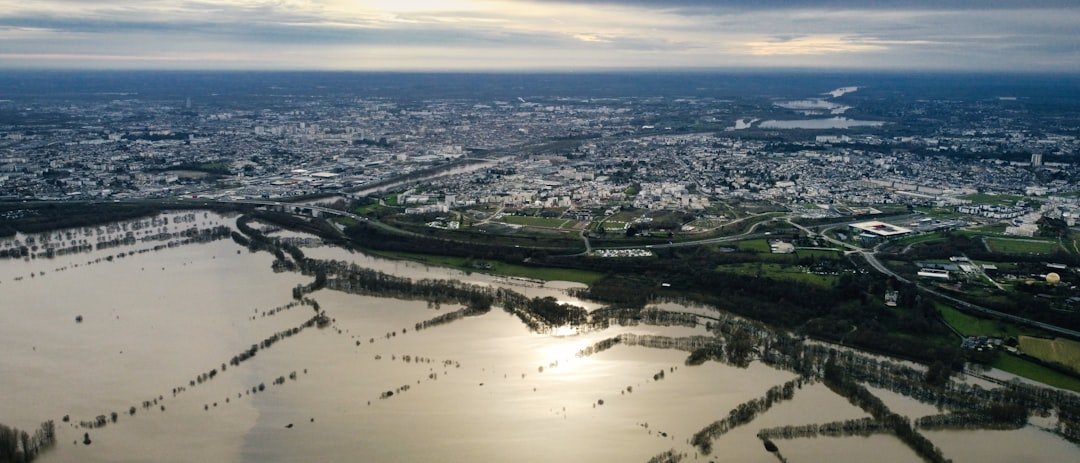
It’s easy to think of the Texas Hill Country as idyllic. Rolling hills, clear rivers, big open skies. It’s beautiful, but that beauty hides a dangerous secret. When the skies open up, those gentle rivers can become raging monsters in a matter of minutes.
Tragically, that’s exactly what happened. A devastating flash flood tore through the region, and when the waters finally receded, more than 100 people were gone. It was a horrific, heartbreaking event.
But what if I told you the story gets even harder to stomach? Just three weeks after the disaster, as the community was still reeling, a painful truth came to light. State lawmakers began asking some very pointed questions, and the answers were infuriating. It turns out, this might not have been a completely unavoidable tragedy.
The Question That Haunts Kerr County
Here’s the gut punch: A year before the flood, leaders in Kerr County were offered money to create a flood warning system. A system designed for this exact scenario—to alert residents that rapidly rising water was coming their way.
They turned it down.
Let that sink in for a moment. They rejected the funding. And a year later, the very disaster that system was meant to warn against, happened. Lawmakers were, to put it mildly, furious. They chastised the local officials, pointing out that a warning could have given people precious, life-saving time to get to higher ground.
It’s the ultimate "what if." What if they had said yes? How many of those 100 people would still be with us? It’s a question that will likely haunt that community for a very, very long time.
Why Would Anyone Say No to a Warning System?
It’s the question on everyone’s mind, right? Why on earth would you reject money that’s specifically meant to keep your residents safe?
From the outside, it seems unthinkable. But if you’ve ever been to a local government meeting, you know it’s rarely that simple. Budgets are tight. Priorities compete. Sometimes, there’s a sense of, “That kind of thing doesn’t happen here.”
This is a classic, and in this case tragic, example of short-term thinking clashing with long-term risk management. It’s easy to see a line item in a budget for a system you might not use for years and think, "We could use that money for road repairs right now."
The problem is, risk doesn’t care about your budget cycle. A flood doesn’t wait until it’s convenient. And when you gamble on the idea that a disaster won't happen on your watch, you're not just gambling with money. You're gambling with lives.
What We're Really Talking About Is Mitigation
In the insurance world, we have a word for things like a flood warning system: mitigation.
It’s a simple idea. Mitigation means taking steps before a disaster happens to reduce its impact. Think of it like a smoke detector in your house. You hope you never need it, but you're sure glad it's there if a fire starts. It doesn't prevent the fire, but it gives you a crucial heads-up to get out safely.
A flood warning system does the same thing. It would have included things like:
- Sensors in rivers and streams to detect rapidly rising water.
- An automated system to send out alerts to phones, radio, and TV.
- Clear evacuation plans so people know what to do when they get the alert.
This isn’t just about making a loud noise. It’s about buying time. In a flash flood, minutes—even seconds—can be the difference between a scary story and a tragedy.
The Insurance Ripple Effect You Might Not See
Now, let's connect the dots to your wallet. This isn't just a story about public safety; it has a direct impact on the cost of insurance for everyone in a community.
Insurance companies are all about calculating risk. When they look at a community, they ask questions. Does this town have strong building codes? Is the fire department well-equipped? Does it have a plan for natural disasters?
A community that invests in mitigation, like a flood warning system, is seen as a lower risk. And lower risk can mean lower insurance premiums for everyone who lives there.
In fact, there's a whole federal program for this. It's called FEMA's Community Rating System (CRS). The idea is simple: communities that go above and beyond the minimum floodplain management requirements earn points. The more points they get, the bigger the discount on flood insurance policies for every single resident in that community. We're talking discounts of 5%, 10%, even up to 45%.
By rejecting the funding for the warning system, the Kerr County leaders didn't just miss a chance to save lives. They also walked away from a potential opportunity to save their residents money, year after year.
This Is Bigger Than One County in Texas
It’s easy to read this story and shake our heads at the decisions made in Kerr County. But the hard truth is, similar decisions are being made in town halls and county buildings all across the country, every single day.
This is a powerful, painful reminder that local governance matters. The choices made by a handful of people in a quiet meeting can have life-or-death consequences. It’s on us to pay attention, to ask questions, and to demand that our leaders prioritize long-term safety over short-term savings.
Find out what your community is doing to prepare for the risks you face, whether it’s floods, wildfires, hurricanes, or tornadoes. The time to think about a warning system is long before the storm clouds gather. Because when the water is rising, it’s already too late.